Not Losing Weight on Zepbound? Here’s What You Can Do To Move Forward
If you’re not losing weight on Zepbound, some underlying factors may be impairing your progress. This guide unpacks potential causes and offers solutions.
Sign up for Olive
Zepbound is often associated with significant weight-loss results, which may create the impression that progress should begin immediately and continue steadily week after week. However, reality may look different for everyone as weight loss is rarely linear, even when you follow your treatment plan religiously.
Not losing weight on Zepbound doesn’t automatically mean you’ve made the wrong medication choice or that your overall approach isn’t optimal. Individual response, biology, genetics, daily habits, treatment stage, and current dose are important factors shaping your reaction to this drug.
If you’re having second thoughts about continuing your Zepbound journey or want to understand the potential roadblocks, this guide outlines the key areas to review with your healthcare provider.
- What scenarios Zepbound fits best, and what you can expect from the treatment
- Potential reasons for not losing weight on Zepbound
- Which provider combines weight-loss medication and meaningful guidance for optimal results
Full-dose GLP-1, with the food side handled too.
Sign up for OliveWhen Is Zepbound the Way To Go?
Zepbound is a prescription medicine used primarily for long-term weight loss and weight management, as well as treatment of moderate-to-severe obstructive sleep apnea in adults with obesity. It contains the active ingredient tirzepatide, which activates receptors of the appetite-related hormones GLP-1 and GIP, reducing appetite and food intake.
As of 2023, Zepbound was approved by the FDA for chronic weight management, particularly in two cases:
- Adults with obesity and a body mass index (BMI) of 30 kg/m² or higher
- Overweight adults with a BMI of 27 kg/m² or higher, provided they have at least one weight-related condition such as type 2 diabetes, high cholesterol, or high blood pressure
In both cases, the FDA underscores the importance of combining Zepbound with a reduced-calorie diet and increased physical activity throughout the process. Therefore, medication alone may not produce the desired long-term results in individuals who aren’t looking to combine lifestyle improvements with the medication protocol.
While a licensed medical provider must consider possible contraindications during evaluation, Zepbound is contraindicated in patients with a personal or family history of MTC, as well as those with Multiple Endocrine Neoplasia syndrome type 2 (MEN 2).
Even when Zepbound is appropriate, results may vary considerably based on treatment stage, dosage, consistency, and individual factors such as biology, genetics, and lifestyle habits.
Bonus: Learn about treatment options and potential obstacles you may encounter along the way in our guide to why you may not be losing weight on semaglutide.
What To Do if You’re Not Losing Weight on Zepbound
Being on Zepbound and not losing weight can be tied to behavioral, biological, genetic, or treatment-related factors. No matter the root cause, you can take steps to better understand your progress and identify potential obstacles.
Here’s what you can do if you’re not losing weight with Zepbound:
- Be realistic about the treatment stage
- Stay consistent with your prescribed doses and treatment plan
- Adjust your nutrition and physical activity
- Be mindful of potential weight-loss plateaus
- Keep individual response differences in mind
- Consider a more holistic approach
Full-dose GLP-1 for meaningful weight loss
Targets appetite, cravings, and food noise
Semaglutide or tirzepatide
Clinician-reviewed
1. Be Realistic About the Treatment Stage
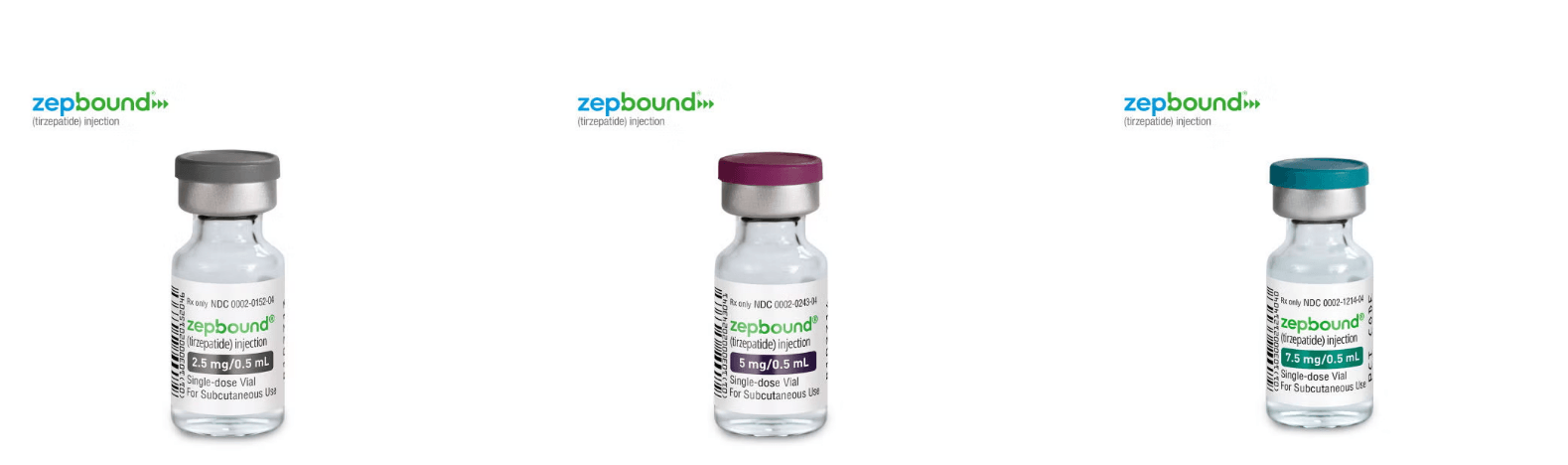
The starting dose for Zepbound is 2.5mg, which is intended to ease you into the treatment. It is administered once weekly for 4 weeks before the increase begins. After the introductory dose, the treatment is adjusted based on a personal plan, usually in four-week increments.
The table below provides an overview of Zepbound's dosing schedule:
| Dosage | Administration and Duration | What It’s Used For |
|---|---|---|
| 2.5 mg | Once a week for four weeks | Treatment initiation; not a maintenance dose |
| 5 mg | Once a week for at least four weeks | Recommended maintenance dose for weight reduction |
| 10 mg | Once a week for at least four weeks | Recommended maintenance dose for weight reduction and moderate-to-severe obstructive sleep apnea (OSA) in obese adults |
| 15 mg | Once a week | Recommended maintenance dose for both indications; maximum recommended dose |
If you’re not losing weight on Zepbound, you may still be too early in treatment or at a dose intended to help you adjust to the drug. Consult your healthcare provider to set realistic expectations for each stage, taking your individual response into account.
Try Olive’s free guided health calculators:
2. Stay Consistent With Your Prescribed Doses and Treatment Plan
Treatment efficiency largely depends on your dedication to the process. Missing doses, adjusting them on your own, or altering any treatment element without prior consultation with your healthcare provider can significantly affect your progress.
Zepbound must be administered once weekly, following the instructions for the prescribed pen or vial. That’s why the company advises patients to carefully review instructions for use and consider having the initial dose administered in the office to receive proper training.
According to the manufacturer’s website, a missed dose should be taken as soon as possible, within 4 days of the scheduled time. Still, it’s always best to consult your prescriber and avoid altering the dosing schedule independently if you’re unsure how to get back on track.
3. Adjust Your Nutrition and Physical Activity
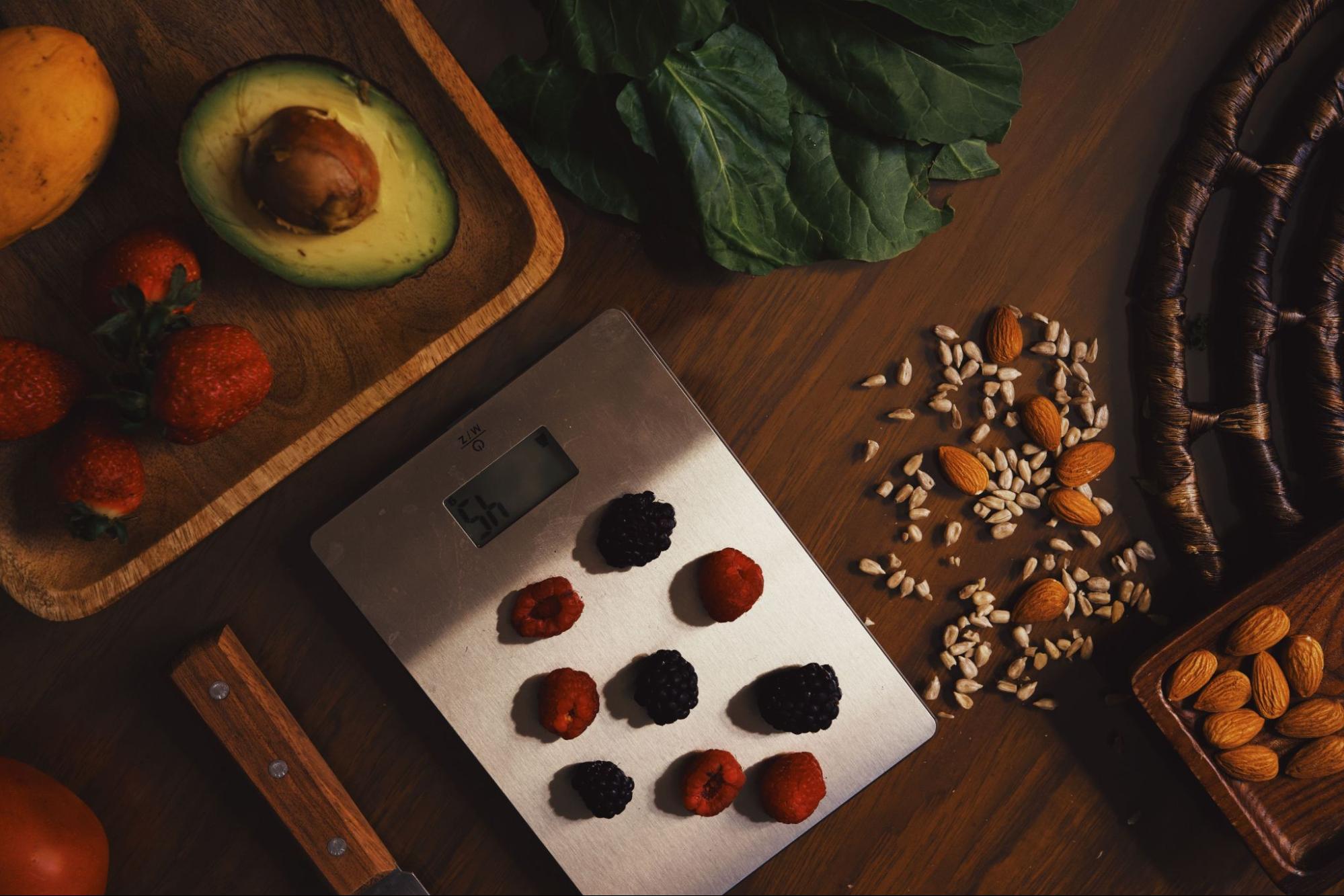
Zepbound complements a reduced-calorie diet and an active lifestyle. While it’s a valuable part of a long-term weight-loss strategy, it may not single-handedly deliver the progress you expect if you rely on medication alone.
If you’re not seeing a significant change, it may be worth reviewing your daily habits alongside your treatment plan. Proper nutrition and regular physical activity can help you reach your goals faster, build a healthier relationship with food, and adopt habits you can maintain over time.
Several eating habits help patients avoid gastrointestinal side effects common with the use of Zepbound, including:
- Introducing four or more smaller meals instead of three larger ones
- Avoiding fatty foods and relying on more bland foods when needed
- Aiming for nutrient-dense meals to meet micronutrient, fiber, and protein needs
- Not eating past the point of fullness
- Staying hydrated
Dietary choices and physical activity should fit your circumstances and goals; they don’t have to follow the same pattern for everyone on Zepbound. Still, incorporating these habits can help you achieve the full effect of the medication and support long-term weight management.
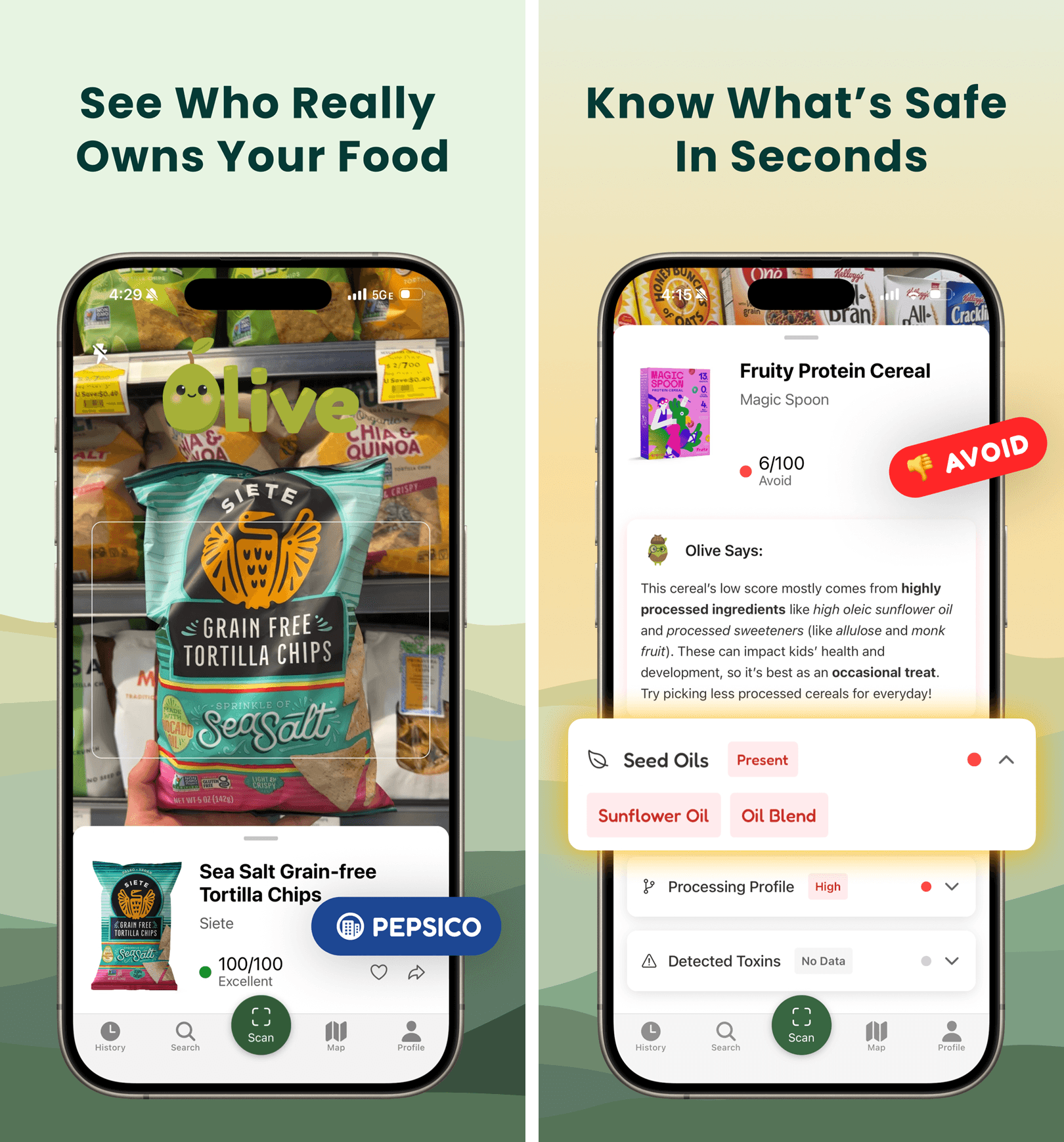
You can use the Olive food ingredient scanner to make better decisions about the products you purchase and what you put in your body. It’s easy to use and helps you avoid toxins, additives, processing, seed oils, and sugar. Download Olive on the Apple App Store or get it on Google Play.
4. Be Mindful of Potential Weight-Loss Plateaus
As you lose weight, your body begins using less energy than it did at a higher weight. If your food intake and physical activity remain the same, the calorie deficit that contributed to your earlier progress may decrease, causing you to reach a plateau.
A plateau, however, isn’t a permanent roadblock. Reviewing your nutrition, physical activity, sleep, and stress management can help you understand what may be affecting your progress.
Either way, if you’re following your Zepbound treatment closely and not seeing the expected results, it may be worth discussing the plateau with your healthcare provider before making changes.
5. Keep Individual Response Differences in Mind
Even when patients follow the same Zepbound schedule, their weight-loss results may differ. An overview of studies on weight loss in patients using Zepbound found that, after 72 weeks in one trial, 90.9% of participants taking 15 mg lost at least 5% of their starting weight, and 56.7% lost at least 20%.
The trials observed weight loss across groups varying in baseline BMI, glycemic status, sex, and age. Still, the amount lost varied significantly among participants. Your starting point, health history, treatment response, and overall circumstances shape your progress.
Rather than comparing yourself with others on a similar journey or using out-of-context weight-loss trends as a benchmark, review your long-term weight-loss progress with your healthcare provider for a more objective assessment.
6. Consider a More Holistic Approach
If you’re taking Zepbound but not losing weight, the issue may not be the medication itself, but the overall approach to weight loss. Seeing weight loss as part of a more complex, lifestyle-level strategy, rather than focusing strictly on the number on the scale, can help you identify habits that need changing.
Those habits often start at home: the food you gravitate toward at the grocery store, the meals you prepare, and the routines that shape your sleep and physical activity. Investing time and effort in recognizing and removing the toxic load in your household can help you not only lose weight but also make more informed choices and build an environment that supports long-term improvement.
A holistic health companion like Olive can help you do that: it provides access to clinician-prescribed peptides for weight loss, such as tirzepatide and semaglutide, offers expert guidance throughout the process, and gives you the tools to identify potentially harmful ingredients and find products that hinder your progress.
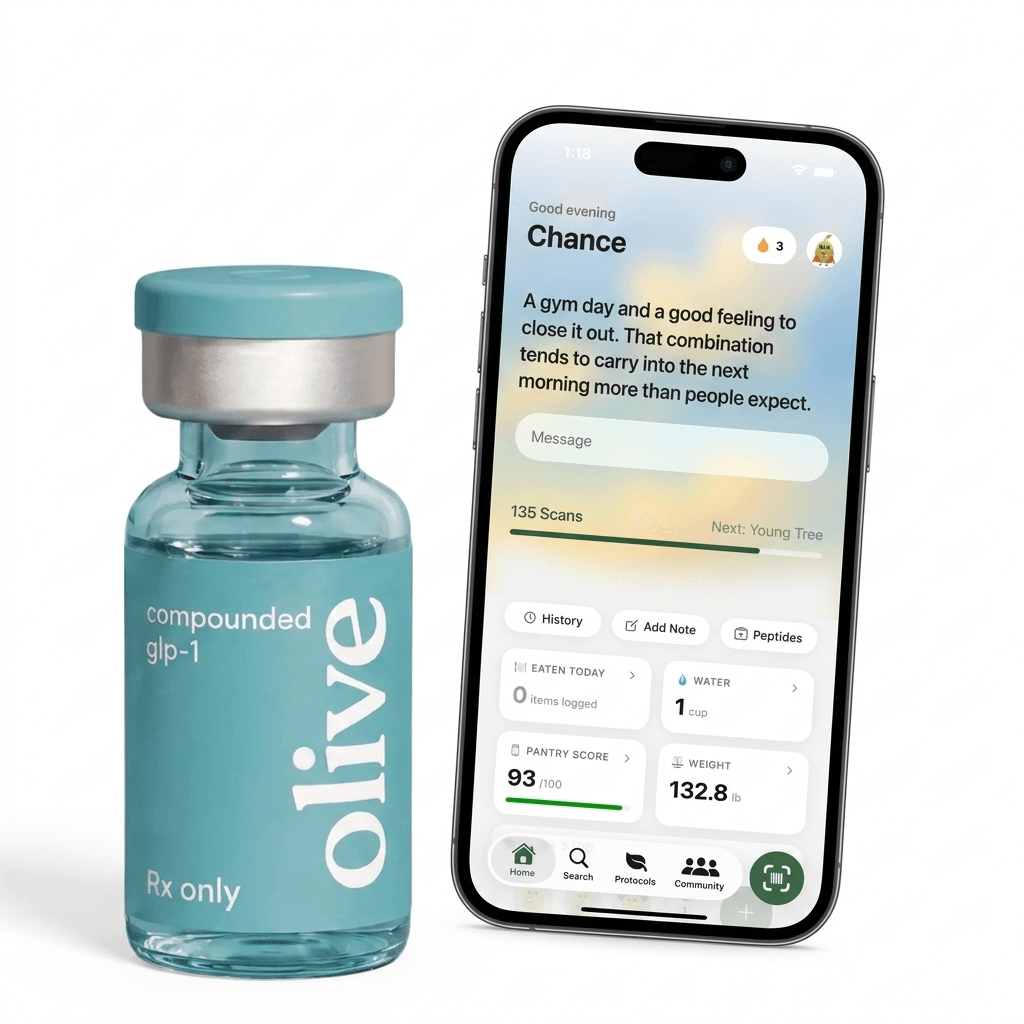
Olive: One Protocol, an Entire Ecosystem of Support
Olive is more than a weight-loss treatment or medication provider. It’s a comprehensive solution offering access to doctor-prescribed compounded tirzepatide from licensed U.S. pharmacies. While higher doses of brand-name Zepbound can cost up to $699 a month without insurance, Olive offers a more accessible alternative paired with an interconnected system of support tools.
Starting at $139, Olive Protocol includes access to a comprehensive weight-loss and lifestyle-improvement system, including:
Feature | Details |
|---|---|
Doctor-prescribed peptides | A personalized dose of tirzepatide, shipped free from a licensed U.S. pharmacy |
Olive app membership | Access to food, cosmetics, personal-care, and household product scanner, with straightforward risk explanations and alternative suggestions for poorly rated products |
Unlimited doctor messaging | Get answers to all your dosing, tapering, and side-effect-related questions without booking an appointment |
Cellular Health Index assessment | Discover your baseline metabolic and cellular health score to keep track of your progress across different areas |
Peptide Protocol Course | Learn all about GLP-1 mechanisms, mindful eating practices, and muscle-preservation methods through a video course |
1:1 health coaching | Book a live session with an Olive coach to receive a personalized plan based on your individual goals and concerns |
Tirzepatide is available through carefully designed Olive protocols:
- Medical Weight Loss Protocol: Full-dose GLP-1/GIP treatment for meaningful, sustainable weight loss
- GLP-1 Microdosing: Low-dose GLP-1/GIP treatment for metabolic health support and gentler entry into the process
Olive combines nutrition, lifestyle, and medical care in one package. Eligibility, prescribing, and dosing are determined individually by a licensed clinician, and no payment is required if you’re not a candidate. Check your eligibility for the Olive weight-loss program today and support your weight loss with other tools in the Olive ecosystem.
FAQs
Why am I not losing weight on Zepbound 2.5 mg?
Zepbound 2.5 mg is the starting dose that helps your body adjust to the medication before increasing the dose. The introductory phase lasts four weeks, with the dose taken once a week. The gradual increase is intended to ease you into the weight-loss process and help you avoid gastrointestinal side effects like nausea, vomiting, or diarrhea.
It’s normal not to notice weight loss at such a low dose, though individual responses may vary. Consult your healthcare provider if you need more clarification concerning realistic expectations for different stages of Zepbound weight-loss treatment.
Why am I not losing weight on Zepbound 15 mg?
Zepbound 15 mg is the maximum recommended maintenance dose for all approved indications. If you’ve been taking this dose as prescribed and aren’t seeing the expected results, you should reassess your treatment plan with your healthcare provider.
If you’ve hit a plateau or another factor is affecting your progress, your prescriber may suggest a different approach, such as reviewing your nutrition, physical activity, sleep, and stress management. Don’t adjust or discontinue the medication on your own.
What should I do if I’m not eating but not losing weight on Zepbound?
Balanced nutrition is essential for sustainable weight loss and overall health. You should adjust your dietary habits to help manage gastrointestinal discomfort, but don’t avoid food to produce faster results. The body also requires adequate protein, fiber, micronutrients, and hydration throughout treatment.
Consult with your healthcare provider about any drastic changes to your treatment plan, including any changes to your diet or an inability to eat. Your nutrition can directly impact your overall health, and weight loss must be a sustainable, balanced process that doesn’t compromise your well-being.
Featured image source: Prostock-studio
Full-dose GLP-1 for meaningful weight loss
Targets appetite, cravings, and food noise
Semaglutide or tirzepatide
Clinician-reviewed
Recommended for you

 Alexander Klein
Pore-Clogging Ingredients Checker: Strongest Options & Key Considerations
Learn how pore-clogging ingredient checkers function and how the leading platforms compare across scanning and search capability, methodology, and reliability.
 Alexander Klein
Happy Baby Pouches: Safe and Nutritious? | Parent's Guide
Discover everything you need to know about Happy Baby Pouches: A Parent's Guide to ensuring safe and nutritious choices amidst heavy metals concerns.
100% Independent.
Always.
We never monetize through brand deals, affiliate links, or ads — so you can trust our recommendations are always aligned with our users.
Frequently Asked Questions
What is the Olive app and how does it work?
Olive is a holistic health companion built to help you live cleaner and feel better. Scan a barcode and Olive shows you exactly what is in your food, your personal care products, and the things you bring into your home, then points you to a clean swap that actually makes a difference.
Inside the app you also get:
- Health coaching
- FDA recall alerts
- Prop 65-aligned baby food product lookups
- Proprietary lab testing data on your favorite products
- Video-assisted kitchen detox walkthroughs
- Maps of healthy restaurants and farmers’ markets near you
- Symptom tracking and logging
- Peptide and supplement dosage tracking
How does the Olive food and cosmetic ingredient scanner work?
You scan a product. Olive scores it from 0 to 100 (higher is cleaner), explains in plain language why it scored that way, flags the harmful stuff like seed oils, additives, hidden sugars, contaminants, and endocrine disruptors, and points you to a cleaner swap.
From there, Olive helps you actually change: a 28-day kitchen detox to start, habit building, coaching, and doctor-supervised peptide protocols.
What starts with one scan can end in more energy, a clear head, and a shopping cart you finally trust.
Which products can I scan: food, cosmetics, or bottled water?
All three. Scan food and drinks for the 0 to 100 score, with a breakdown of toxins, additives, processing, seed oils, and sugar.
Scan skincare, makeup, sunscreen, shampoo, and other personal care products and Olive rates every ingredient green, yellow, or red with a plain-language reason for the rating.
Scan bottled water and Olive checks it for contaminants such as fluoride, heavy metals, and microplastics.
How does Olive ensure the accuracy of its scan results?
We do our own independent lab testing for heavy metals (lead, cadmium, mercury, and arsenic) across roughly 400 products so far. That is more testing than most companies do, including Consumer Reports.
Our cosmetic ingredient rating system was built with the head of a chemical toxin working group, so every ingredient carries a documented reason behind its rating.
And Olive is independent. No ads, no affiliates, and we do not take money to change scores. Your subscription is what funds the testing, so Olive answers to you. All of it runs on a database of 10M+ products.
Can Olive be customized to my dietary needs?
Yes. Set your goals, your diet, and your allergies, and every score and swap adjusts to you. Keto, paleo, heart-healthy, Mediterranean, halal, kosher, gluten-free, and dairy-free are all covered.
If you react to gluten, dairy, nuts, soy, or anything else, Olive flags it before it reaches your cart.
Is Olive available for both Android and iOS?
Yes. Olive is live on both. Download Olive on the Apple App Store or get it on Google Play.
Is my data secure when I use Olive?
Yes. Your privacy comes first. Olive protects your personal information with strong security protocols, and your scans, your pantry, and your health details stay yours. You can read the details in our privacy policy.
How do I get started with Olive?
Start with the free quiz. It takes about five minutes, asks about your goals, your symptoms, and what is already in your kitchen, then hands you a personalized plan. Try Olive free.
Start with one scan.
Scan your food, personal care and home products
Independent scores backed by real lab testing
Cleaner swaps for you, and everyone you shop for