Not Losing Weight on Semaglutide? Here’s What May Be the Cause
If you’re not losing weight on semaglutide, the reason may be simpler than you think. Explore common causes and misconceptions, and find effective solutions.
Sign up for Olive Written by Alexander Klein
 Reviewed by Dr. William Haas, MDPublished on October 16, 2026Updated on November 4, 2026
A weight-loss journey often starts with ambitious goals and high expectations. Medically supported programs are no exception, but expectations don’t always align with what the treatment can realistically deliver. This leads to disappointment before the treatment has had enough time to take effect.
The good news is that not losing weight as expected doesn’t mean you’re not progressing or that the entire approach needs to change. Sometimes, more time or small but appropriate adjustments to your routine can accelerate the progress.
If you’re not losing weight on semaglutide, this guide will help you understand why and present practical ways to support your treatment for optimal results.
- How semaglutide works and what you can expect from treatment
- Common reasons you may not be losing weight with semaglutide
- How to support your weight-loss journey through a broader clean-living strategy
Try our free guided health calculators:
Full-dose GLP-1, with the food side handled too.
Sign up for OliveWhat Is Semaglutide and How Does It Work?
Semaglutide is a medication in the glucagon-like peptide-1 receptor agonist (GLP-1 RA) class, and an active pharmaceutical ingredient in several weight-loss drugs, including Ozempic, Wegovy, and Rybelsus.
It imitates some of the mechanisms of GLP-1, a hormone that occurs naturally in the body. To understand how semaglutide works, you should grasp the role of the natural GLP-1 hormone.
The gut releases this hormone after we eat. According to reviews of GLP-1 physiology, its main functions include stimulating insulin secretion and reducing glucagon release, thereby helping regulate blood sugar after a meal. It also slows digestion, helping balance appetite and directly influencing food intake.
In simple terms, it’s a hormone that signals to the brain that we’re full, which may reduce the need for more food. Semaglutide acts on GLP-1 receptors, mimicking GLP-1's satiating effect, helping people feel fuller and, as a result, reducing overall food intake, which leads to weight loss over time.
Semaglutide is available in both oral and injectable forms. The exact administration method, dosing schedule, and other treatment details depend on several factors, including:
- The prescribed formulation and condition treated
- The individual’s medical history, current health, and other medications they take
- The patient’s individual response to treatment
- Whether medication is implemented in a broader lifestyle-change system, including nutrition and exercise
Not losing weight on semaglutide could stem from several factors. In many cases, the potential cause is relatively straightforward to identify and can be addressed with guidance from your healthcare provider.
Why Am I Not Losing Weight on Semaglutide?
If you’re on semaglutide and not losing weight, these underlying factors could be affecting your progress:
- You’re still not at the intended dose
- Lack of nutrition optimization and physical activity
- Inconsistency with doses
- Underlying health conditions or other medications
- Metabolic adaptation
- Individual differences in response
- Lack of comprehensive lifestyle change
Full-dose GLP-1 for meaningful weight loss
Targets appetite, cravings, and food noise
Semaglutide or tirzepatide
Clinician-reviewed
1. You’re Still Not at the Intended Dose
If you’re not losing weight on semaglutide compound or a semaglutide-based medication, one potential reason is that you’re still receiving a low starting dose. Semaglutide treatment often begins with a low dose of around 0.25mg per week, which is gradually increased, as described in a clinical overview of once-weekly semaglutide.
According to this review, once-weekly semaglutide for weight management commonly follows a titration schedule, so it doesn’t start at the intended maintenance dose. For example, the dose may start at 0.25mg during weeks 1 through 4, then increase to 0.5mg during weeks 5 through 8, followed by gradual increases until the maintenance dose is reached at week 17.
The gradual dosage-escalation system is designed to reduce adverse gastrointestinal side effects such as vomiting, nausea, diarrhea, and constipation.
Different providers and formulations may follow different dosage timelines, programs, and guidelines. While it may be too early to see significant results, you should always discuss your pace and overall treatment strategy with your healthcare provider rather than adjusting the dose on your own.
2. Lack of Nutrition Optimization and Physical Activity
Even though highly efficient for long-term weight loss, semaglutide isn’t a magic solution. Regular physical exercise is crucial to further support the medication's benefits as part of a broader wellness plan.

A study of the benefits of combining GLP-1s with exercise found that aerobic training can improve blood sugar control and body composition. It further suggests that adopting healthy lifestyle habits is an essential part of a sustainable weight-loss strategy, especially in maintaining progress over time.
Dietary changes are also vital in the weight management landscape. While semaglutide can reduce hunger and overall food intake, it doesn’t automatically improve the nutritional quality of your diet. A 2025 review of semaglutide and medical nutrition therapy underscores the value of a carefully planned diet:
- Supporting healthy, sustainable weight loss
- Preserving lean muscle
- Preventing nutritional deficiencies by ensuring the diet remains nutrient-dense
- Improving long-term metabolic health
Semaglutide can be an effective tool, but it isn’t a replacement for healthy lifestyle habits, which ultimately form the foundation for sustainable health and weight management.
Try our free walking weight loss calculator to see how many additional steps per day it would take to reach your goals.
3. Inconsistency With Prescribed Doses
Your progress depends on consistency. If you’ve been missing doses, adjusting them on your own, or altering your prescribed schedule, the treatment will not be as effective.
Adjusting the dosage without consulting your healthcare provider is never recommended. According to the FDA, taking a higher dose than prescribed can lead to unpleasant side effects such as nausea, vomiting, and low blood sugar levels. Semaglutide treatment should be tailored according to individual factors, including your health, other medications, treatment response, side effects, lifestyle, and goals.
While a single missed dose doesn’t derail your progress, repeated missed or irregular doses make your response to treatment less consistent. If you miss a dose or have doubts about continuing with your schedule, contact your healthcare provider instead of taking an extra dose or changing your schedule without professional guidance.
4. Underlying Health Conditions or Other Medications
If you’re still not experiencing the expected effects of your semaglutide weight-loss treatment, an underlying health condition or other medications may be blocking your progress.
Discuss current and past health issues with your healthcare provider before starting treatment because certain conditions may affect how the medicine works or require extra caution. Specific examples include type 1 diabetes, gastroparesis, kidney disease, pancreatitis, diabetic retinopathy, and diabetic ketoacidosis.
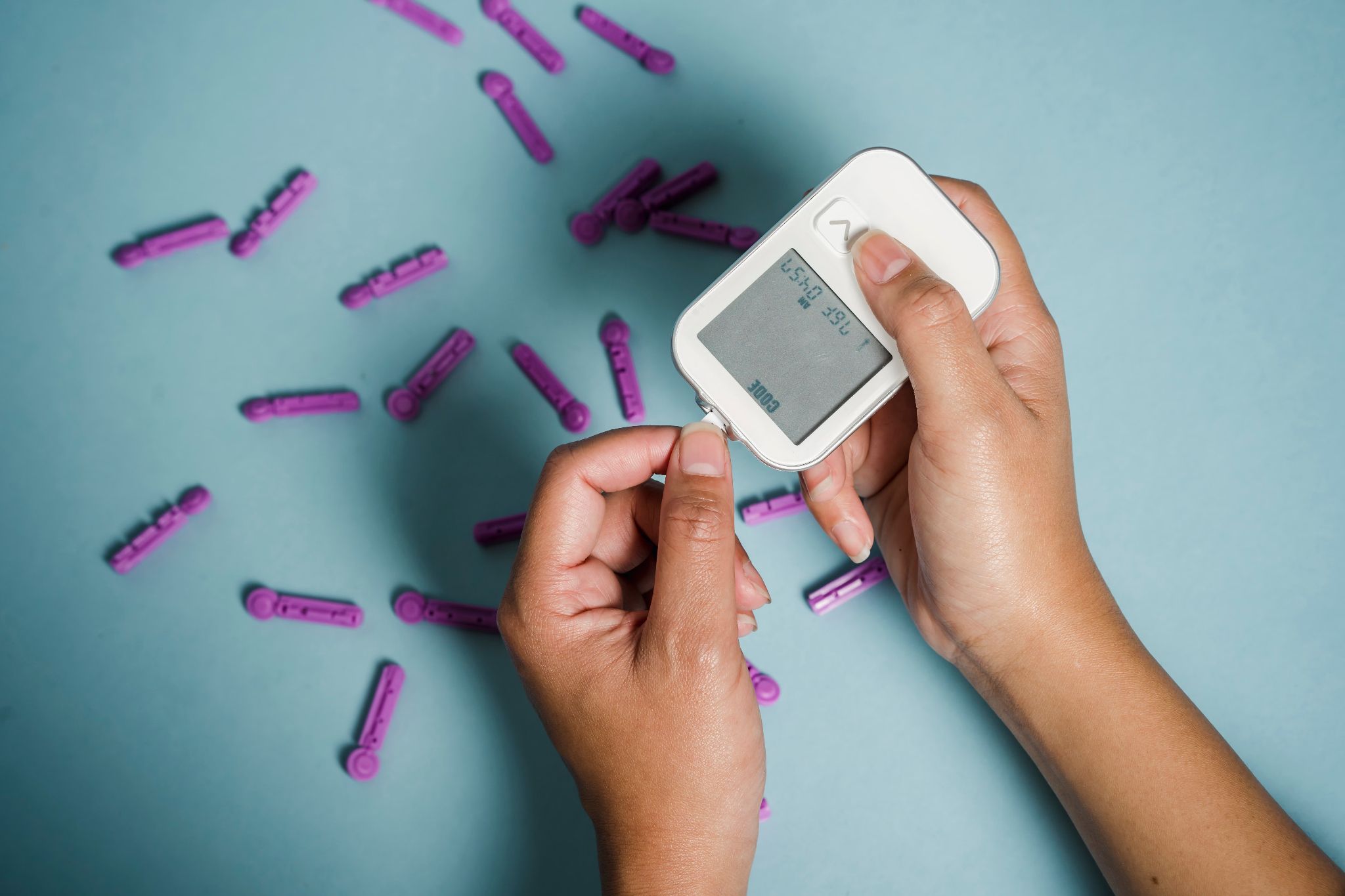
Medications that could compromise the mechanisms of semaglutide or affect your overall progress include:
- Other diabetes medications, such as insulin and sulfonylureas, could increase the risk of low blood sugar
- Certain antibiotics, which could affect semaglutide absorption, increase semaglutide’s gastrointestinal side effects, or compromise digestion speed
- Over-the-counter supplements such as chromium or cinnamon, which can increase the risk of low blood sugar already present with semaglutide use
- Over-the-counter medications for nausea or indigestion, which could mask potential side effects of semaglutide that may require medical attention
Discuss potential counter-effects, adverse symptoms, and risks with your healthcare provider. Tell them about everything you add to your routine, including prescription and over–the–counter medication and natural supplements, so they can assess potential interactions and adjust your treatment if needed.
5. Metabolic Adaptation
When you restrict calories for a period, your body may respond by adapting metabolically. As you eat less, you begin to lose weight, but, over time, your body may adjust to this change.
Metabolic adaptation involves a decline in energy expenditure as your body begins burning fewer calories than it did at a higher weight. This change can slow or temporarily stall your progress, even if your routine stays the same. Weight loss can also trigger other physiological changes, potentially increasing hunger-related hormones, such as ghrelin, and decreasing satiety hormones such as GLP-1 and amylin.
Discuss your semaglutide treatment with your healthcare provider to understand each stage, anticipate potential roadblocks, and understand how tools such as dietary changes, physical activity, or a broader treatment plan may help address stagnation.
6. Individual Differences in Response
Weight-loss medication programs are never one-size-fits-all. Individuals can respond differently to the same medication, even when they follow identical titration schedules, take the same doses, and adhere to similar protocols.
Individual differences in response to weight-loss medication can be influenced by several factors, including:
- Nutrition, physical activity, sleep, and stress levels
- Individual genetic variation
- Underlying health conditions and other medications
- Current dose and treatment duration
- Starting-point factors such as BMI, weight, and body composition
- Consistency with treatment and broader lifestyle-related improvements
- Metabolic factors such as insulin resistance, slower metabolic rates, or altered gut hormone and microbiota status
- Hormonal status, including leptin and ghrelin levels
- Age, sex, and type 2 diabetes
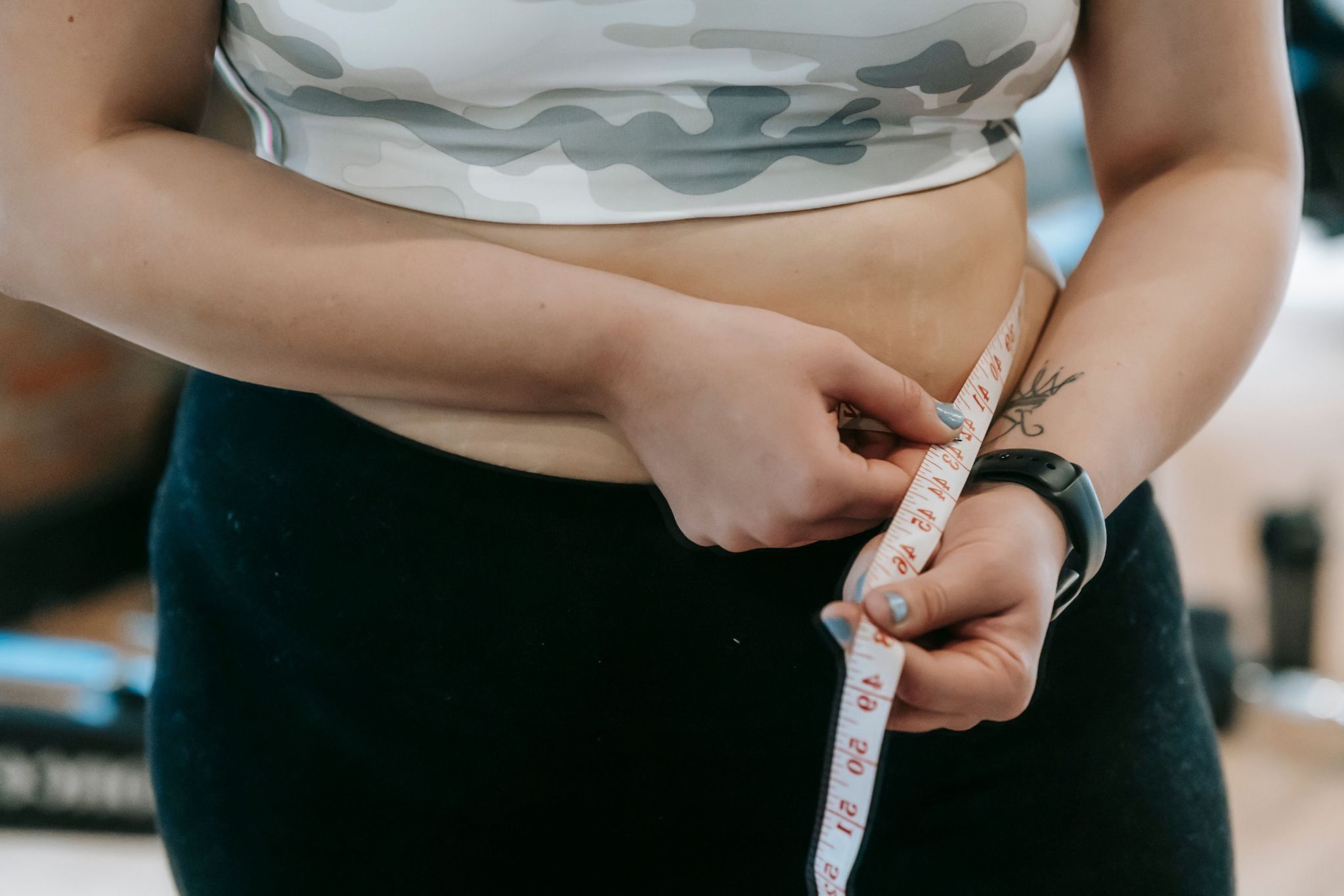
7. Lack of Comprehensive Lifestyle Change
Many providers offer semaglutide treatment with expert guidance throughout the process. However, some of these programs lack a more comprehensive approach to long-term lifestyle changes. Weight loss is an important part of the equation, but it becomes truly transformative only when paired with broader changes that encompass your entire home.
You can use medication to support weight loss. However, the food you eat, the water you drink, and the habits you maintain shape not only your ability to manage your weight over time, but also your overall perspective on weight maintenance and clean living.
More experts warn that certain everyday chemicals, often found in popular food and household products, can act as endocrine disruptors (obesogens) and reduce the effectiveness of your weight-loss and exercise routine, even in medication-supported programs.
Holistic health platforms such as Olive don’t stop at GLP-1 protocols and expert support. Besides medication, Olive’s approach also includes scanning for food, bottled water, cosmetics, and household products to help you understand the ingredients behind label claims. It guides you in removing the toxic load from your home, establishing a strong foundation for broader, long-term lifestyle improvements alongside optimal medication.
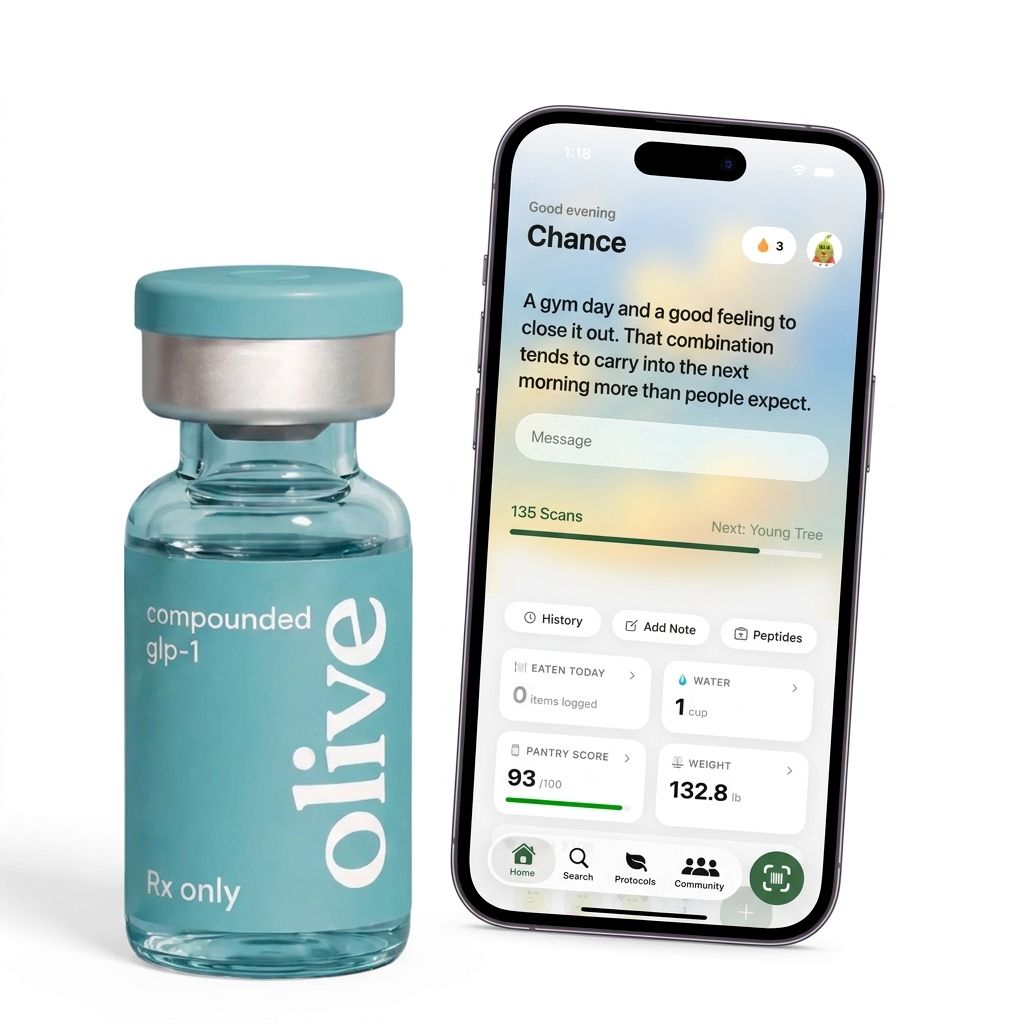
Olive: Personalized Peptide Therapy Supported by Clean Living
Olive offers effective peptide protocols tailored to your specific medical history and desired outcomes. The guidance doesn’t stop at sustainable weight loss and GLP-1 medication use. It includes a broader, whole-home ecosystem that helps you identify hidden contaminants, understand complex ingredient lists, and take greater control over what enters your home and body.
Olive peptide protocols entail a holistic approach to ensure that semaglutide and other medications have an optimal effect for long-term weight loss and clean living:
Olive Protocol | Description |
|---|---|
Full-dose semaglutide and tirzepatide treatment | |
Low-dose GLP-1 or GLP-1/GIP treatment | |
Targeted compounds like NAD+, glutathione, sermorelin, and B12 |
Any Olive protocol starts with a medical intake form, which provides a licensed prescriber with the data to determine your eligibility based on your health history, current medications, and any available laboratory reports.
If you’re eligible, the prescriber creates a personalized GLP-1 protocol tailored to your needs and goals, rather than a generic, pre-made solution. Every step of the way, the coaching team guides you through the process, answers your questions, and ensures you feel supported and informed. In case you’re not eligible, you’re granted a full refund and a thorough explanation of the decision.
Olive protocols unlock the full assortment of clean-living tools, including a barcode scanner, a pantry-reorganizing program, and access to a database of ~400 products that have been independently tested for hidden contaminants.
Complete the medical intake form and find out if you’re eligible today.
FAQs
How long does semaglutide take to initiate weight loss?
Weight-loss results with semaglutide vary depending on several factors and are highly individual. The treatment often starts at a low dose that gradually increases, so significant weight loss may take several weeks or months. Combining treatment with positive lifestyle habits, such as balanced nutrition and regular physical activity, can further accelerate progress and support long-term weight management.
Is it normal to reach a weight-loss plateau on semaglutide?
Yes. Weight loss may plateau due to factors such as metabolic adaptation. However, if the plateau persists, discuss next steps with your healthcare provider and ensure you’re complementing the protocol with meaningful lifestyle changes.
What to do if you’re not losing weight on semaglutide?
Reasons for not losing weight on semaglutide are highly individual, although some issues occur more commonly than others. It’s important to discuss your progress with your healthcare provider and follow their guidance closely. Avoid adjusting the dose or schedule on your own.
Why am I not losing weight on oral semaglutide vs. the injectable form?
The reasons for using a semaglutide injection and not losing weight largely overlap with those associated with oral semaglutide. The main difference is how you take it, so it’s crucial to follow your health provider’s directions closely regarding administration, storage, and dosing consistency.
Featured image source: Studio Romantic
Full-dose GLP-1 for meaningful weight loss
Targets appetite, cravings, and food noise
Semaglutide or tirzepatide
Clinician-reviewed
Recommended for you
 Alexander Klein
Pore-Clogging Ingredients Checker: Strongest Options & Key Considerations
Learn how pore-clogging ingredient checkers function and how the leading platforms compare across scanning and search capability, methodology, and reliability.
 Alexander Klein
Happy Baby Pouches: Safe and Nutritious? | Parent's Guide
Discover everything you need to know about Happy Baby Pouches: A Parent's Guide to ensuring safe and nutritious choices amidst heavy metals concerns.
100% Independent.
Always.
We never monetize through brand deals, affiliate links, or ads — so you can trust our recommendations are always aligned with our users.
Frequently Asked Questions
What is the Olive app and how does it work?
Olive is a holistic health companion built to help you live cleaner and feel better. Scan a barcode and Olive shows you exactly what is in your food, your personal care products, and the things you bring into your home, then points you to a clean swap that actually makes a difference.
Inside the app you also get:
- Health coaching
- FDA recall alerts
- Prop 65-aligned baby food product lookups
- Proprietary lab testing data on your favorite products
- Video-assisted kitchen detox walkthroughs
- Maps of healthy restaurants and farmers’ markets near you
- Symptom tracking and logging
- Peptide and supplement dosage tracking
How does the Olive food and cosmetic ingredient scanner work?
You scan a product. Olive scores it from 0 to 100 (higher is cleaner), explains in plain language why it scored that way, flags the harmful stuff like seed oils, additives, hidden sugars, contaminants, and endocrine disruptors, and points you to a cleaner swap.
From there, Olive helps you actually change: a 28-day kitchen detox to start, habit building, coaching, and doctor-supervised peptide protocols.
What starts with one scan can end in more energy, a clear head, and a shopping cart you finally trust.
Which products can I scan: food, cosmetics, or bottled water?
All three. Scan food and drinks for the 0 to 100 score, with a breakdown of toxins, additives, processing, seed oils, and sugar.
Scan skincare, makeup, sunscreen, shampoo, and other personal care products and Olive rates every ingredient green, yellow, or red with a plain-language reason for the rating.
Scan bottled water and Olive checks it for contaminants such as fluoride, heavy metals, and microplastics.
How does Olive ensure the accuracy of its scan results?
We do our own independent lab testing for heavy metals (lead, cadmium, mercury, and arsenic) across roughly 400 products so far. That is more testing than most companies do, including Consumer Reports.
Our cosmetic ingredient rating system was built with the head of a chemical toxin working group, so every ingredient carries a documented reason behind its rating.
And Olive is independent. No ads, no affiliates, and we do not take money to change scores. Your subscription is what funds the testing, so Olive answers to you. All of it runs on a database of 10M+ products.
Can Olive be customized to my dietary needs?
Yes. Set your goals, your diet, and your allergies, and every score and swap adjusts to you. Keto, paleo, heart-healthy, Mediterranean, halal, kosher, gluten-free, and dairy-free are all covered.
If you react to gluten, dairy, nuts, soy, or anything else, Olive flags it before it reaches your cart.
Is Olive available for both Android and iOS?
Yes. Olive is live on both. Download Olive on the Apple App Store or get it on Google Play.
Is my data secure when I use Olive?
Yes. Your privacy comes first. Olive protects your personal information with strong security protocols, and your scans, your pantry, and your health details stay yours. You can read the details in our privacy policy.
How do I get started with Olive?
Start with the free quiz. It takes about five minutes, asks about your goals, your symptoms, and what is already in your kitchen, then hands you a personalized plan. Try Olive free.
Start with one scan.
Scan your food, personal care and home products
Independent scores backed by real lab testing
Cleaner swaps for you, and everyone you shop for