Home/Blogs/The Toxic "Quats" in Your Conditioner Are Quietly Sabotaging Fertility — Especially for Black Women
Health & Wellness
The Toxic "Quats" in Your Conditioner Are Quietly Sabotaging Fertility — Especially for Black Women
These cheap, common chemicals detangle hair, kill germs, and last for days — but new research links them to infertility, sperm damage, and hormone disruption. Why the US still allows them while Europe banned them years ago — and what safe, plant-powered alternatives actually work.
Know what's really in your personal care and home products.
The Toxic “Quats” in Your Conditioner Are Quietly Sabotaging Fertility — Especially for Black Women
We all know how difficult it can be to comb out a full head of hair after shampooing when your strands are full of static and stick together. The chemical family often used in a variety of hair products to address this issue, as well as for conditioning and styling, is technically known as quaternium ammonium compounds. Beauty professionals call them “quats.” There are hundreds of them, many so similar, upon introduction into commercial use for the haircare market, they are given only numbers for names, as in quaternium-15 (17, 87, or 91). They’re cheap. They work well. Quat-based conditioners soften, condition, and detangle hair fibers by reducing static electricity. The quats coat the scaly, rough surfaces of hair strands, making them slick and slippery. They repel water, which is why curls last longer. Plus, they’re difficult to wash out, so their effects last. Sounds great, doesn’t it? The industry loves them. It’s a two-for-one deal. Their customers get better curls, and manufacturers save on added preservatives since the quats kill almost every microorganism they come in contact with.
The trouble is, ever since the pandemic, we’ve been on quat overload. That’s because the same quats the beauty industry is asking women of color and others with curls or kinky hair to use daily are the main disinfectant ingredient in sanitary hand wipes, bathroom cleaners, and Lysol spray disinfectant. The quats have their place. They’re valuable in our fight against pathogens, including the coronavirus, but they hardly belong on anybody’s scalp or in women’s wombs.
The personal-care and cosmetic industry has long been regulated by fewer than two pages of federal law hidden away among the hundreds that make up the 1938 US Food, Drug, and Cosmetic Act (FDCA).
The Food and Drug Administration’s (FDA) Office of Cosmetics and Colors has an annual budget of $8 million and fewer than 30 employees, notesThe New York Times.
The US cosmetics industry has annual revenue north of $100 billion and employs more than 4 million people, including stylists, manicurists, cosmetologists, and shop workers, according to Statista and Forbes.
The law allows the industry to self-regulate by funding its own Cosmetic Ingredient Review panels, made up of scientists whose salaries are covered by the companies they oversee. There is no one representing the public interest on any CIR panel, including the one that reviewed the safety of quats.
What could go wrong?
In fact, the beauty industry has kept a dirty little secret about the quats it doesn’t want you to know about. That would be a 2014 study on their reproductive toxicity, which never made it to even the references of any industry-funded published opinion on the safety of these compounds.
That year, Virginia Tech researchers, writing in Reproductive Toxicology, reported an unusual case of mass infertility among their mouse populations at the university’s Biomedical Lab. They observed decreased reproductive performance in laboratory mice that coincided with the introduction of a disinfectant containing quats. Breeding pairs exposed for six months to the disinfectant just as it was sprayed during normal use exhibited noticeable decreases in fertility and fecundity, increased time to first litter, longer pregnancy intervals, and fewer pups and pregnancies, the investigators wrote. Fetal deaths during pregnancy increased.
Follow-up research showed male mice exposed to quats had lower sperm concentrations with decreased motility. Another study found increased rates of neural tube defects in the offspring of mice exposed to quats.
In 2021, scientists began measuring the quats in human blood for the first time and found they harm mitochondria, the cells’ energy factories; alter cholesterol metabolism; and increase inflammation.
The quats were effectively outlawed in Europe almost immediately following the Virginia Tech study. Here in America, the CIR panel instead recommended multiple quats could be used in products.
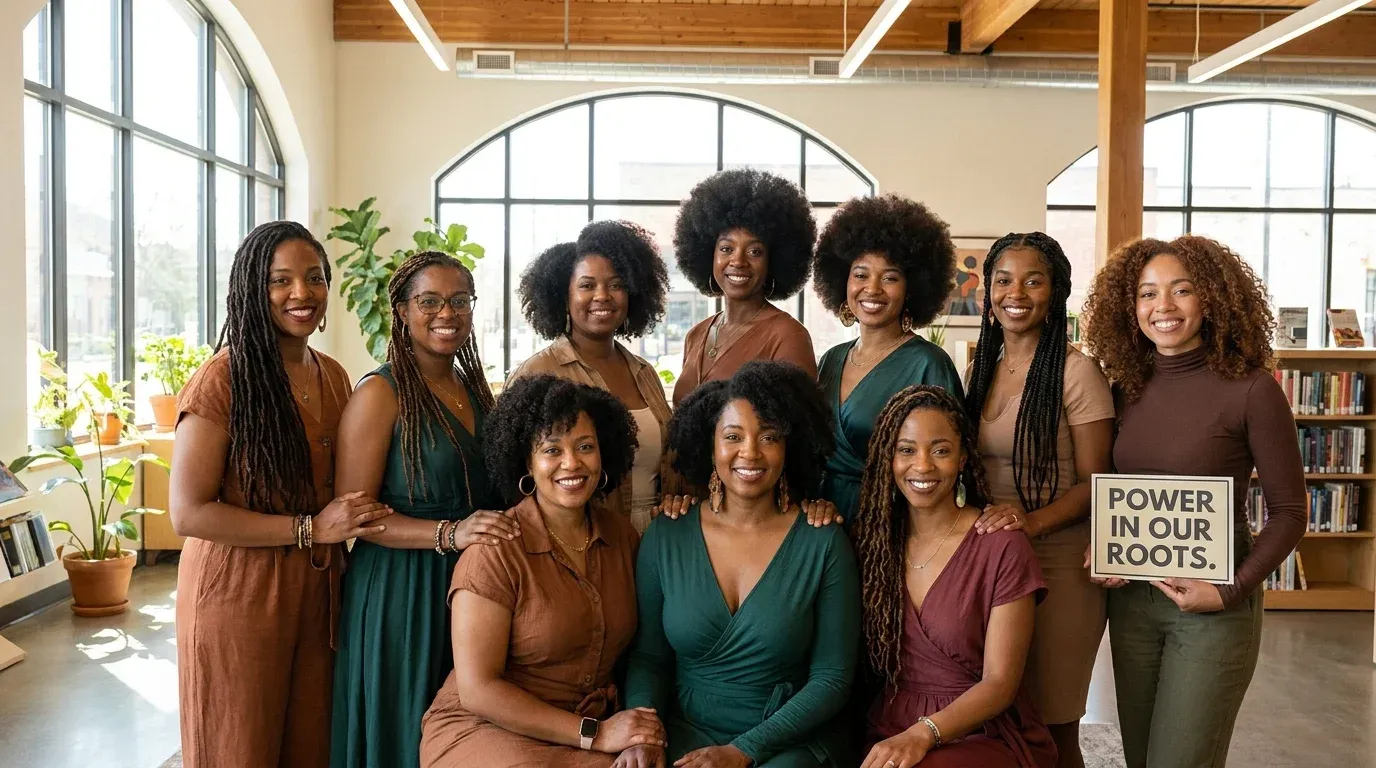
Yet, unsuspecting women and men (particularly African Americans and other persons of color) who use such products won’t know that their use of haircare products is contributing to infertility. This is especially relevant to the health of African American women.
“Black women are over-exposed and under-protected from toxic chemicals,” said Janette Robinson Flint, executive director of Black Women for Wellness, a Los Angeles-based social services organization.
The Centers for Disease Control and Prevention has found that Black women experience earlier puberty and higher rates of hormone-related health conditions, such as uterine fibroids, infertility, breast cancer, and preterm births, than white women.
Could beauty products be part of the problem? African American women were also found in a study to be at higher risk for breast cancer from using chemical hair straighteners. Silent Spring Institute, a breast cancer prevention nonprofit organization based in Newton, Massachusetts, examined 18 products geared toward Black women. These included hot oil treatments, anti-frizz hair polishes, leave-in conditioners, root stimulators, scalp lotions, and relaxers. More than 70 percent of the tested products contained endocrine-disrupting chemicals.
Thankfully, the beauty market, under consumer pressure, is moving in a safer, healthier, truly caring direction. These safe, plant-based ingredients emulate quats without toxicity:
AminoSensyl HC, an amino acid conditioning agent, adds rich texture, softens, smoothens, and offers styling properties much like other quat compounds.
ProCondition Sativa, derived from Cannabis seed oil, is comparable in performance to cetrimonium chloride.
ProCondition 22, derived from veggies such as broccoli and other brassica family members, emulates the effects of behentrimonium chloride.
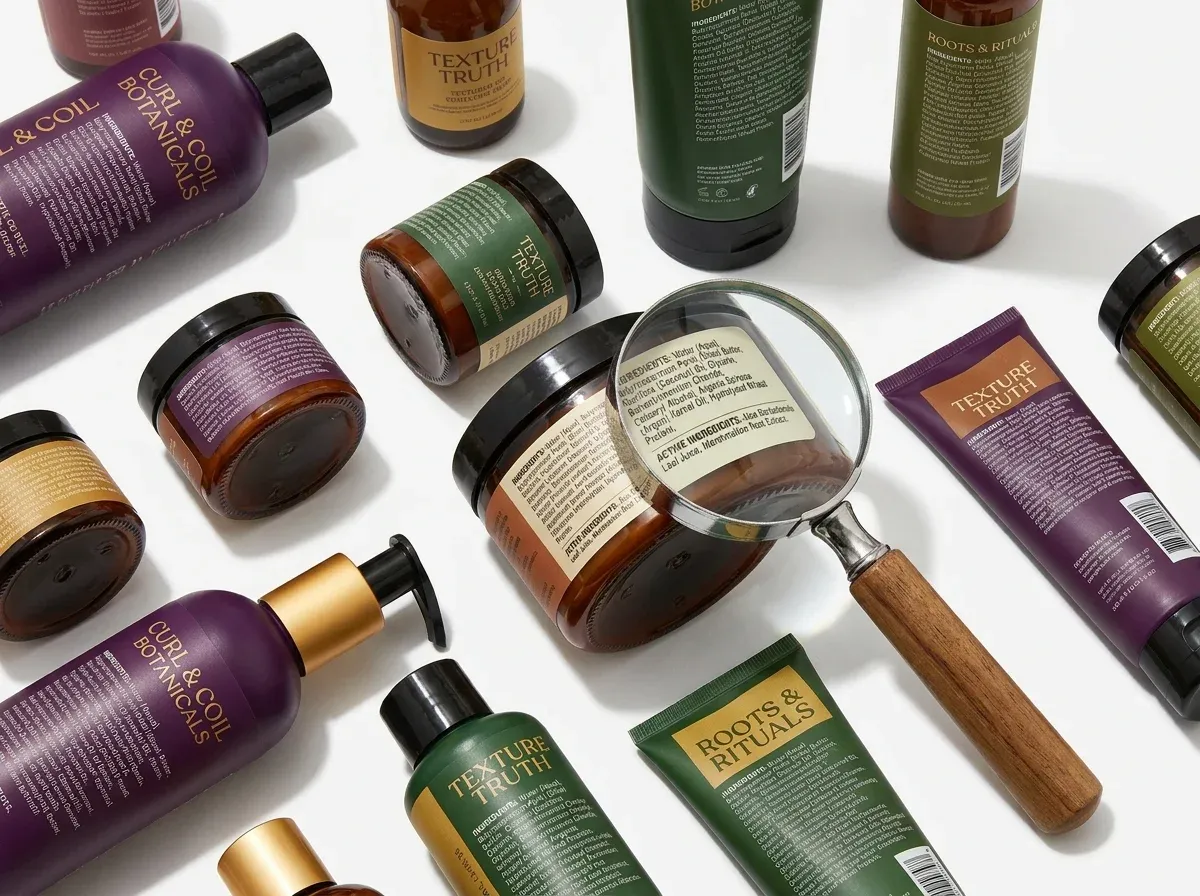
Quats are listed on the label. But they are known by many technical names, as in behentrimonium or cetrimonium chloride. Just look for the “i-u-m” at the end of the name, which is a tell-tale sign.
The Campaign for Safe Cosmetics and Breast Cancer Prevention Partners (BCPP) have been busily networking with Black beauty entrepreneurs whose companies are at the forefront in developing and marketing safe and healthy hair and skin care products as part of a much-needed Top Non-Toxic Black-Owned Beauty Brands database. The campaign deserves praise for compiling this vital directory and applying a zero-tolerance standard to ensure the brands uphold the highest standards of safe use for the African American and ethnic haircare communities.
We never monetize through brand deals, affiliate links, or ads — so you can trust our recommendations are always aligned with our users.
Frequently Asked Questions
Olive is a holistic health companion built to help you live cleaner and feel better. Scan a barcode and Olive shows you exactly what is in your food, your personal care products, and the things you bring into your home, then points you to a clean swap that actually makes a difference.
Inside the app you also get:
Health coaching
FDA recall alerts
Prop 65-aligned baby food product lookups
Proprietary lab testing data on your favorite products
Video-assisted kitchen detox walkthroughs
Maps of healthy restaurants and farmers’ markets near you
Symptom tracking and logging
Peptide and supplement dosage tracking
You scan a product. Olive scores it from 0 to 100 (higher is cleaner), explains in plain language why it scored that way, flags the harmful stuff like seed oils, additives, hidden sugars, contaminants, and endocrine disruptors, and points you to a cleaner swap.
From there, Olive helps you actually change: a 28-day kitchen detox to start, habit building, coaching, and doctor-supervised peptide protocols.
What starts with one scan can end in more energy, a clear head, and a shopping cart you finally trust.
All three. Scan food and drinks for the 0 to 100 score, with a breakdown of toxins, additives, processing, seed oils, and sugar.
Scan skincare, makeup, sunscreen, shampoo, and other personal care products and Olive rates every ingredient green, yellow, or red with a plain-language reason for the rating.
Scan bottled water and Olive checks it for contaminants such as fluoride, heavy metals, and microplastics.
We do our own independent lab testing for heavy metals (lead, cadmium, mercury, and arsenic) across roughly 400 products so far. That is more testing than most companies do, including Consumer Reports.
Our cosmetic ingredient rating system was built with the head of a chemical toxin working group, so every ingredient carries a documented reason behind its rating.
And Olive is independent. No ads, no affiliates, and we do not take money to change scores. Your subscription is what funds the testing, so Olive answers to you. All of it runs on a database of 10M+ products.
Yes. Set your goals, your diet, and your allergies, and every score and swap adjusts to you. Keto, paleo, heart-healthy, Mediterranean, halal, kosher, gluten-free, and dairy-free are all covered.
If you react to gluten, dairy, nuts, soy, or anything else, Olive flags it before it reaches your cart.
Yes. Your privacy comes first. Olive protects your personal information with strong security protocols, and your scans, your pantry, and your health details stay yours. You can read the details in our privacy policy.
Start with the free quiz. It takes about five minutes, asks about your goals, your symptoms, and what is already in your kitchen, then hands you a personalized plan. Try Olive free.