Should You Filter Your Water for PFAS?
New USGS research reveals that nearly half of US tap water may contain PFAS 'forever chemicals,' with contamination levels similar in both public and private water supplies. Testing shows that while reverse osmosis filters effectively remove these toxic compounds, many common household filters vary widely in effectiveness.
Sign up for Olive Written by David SteinmanPublished on June 10, 2026
US Geological Service (USGS) research published in the journal Environment International marks the first time anyone has tested for and compared forever chemicals in tap water from both private and government-regulated public water supplies on a broad scale throughout the country. The data provide shocking results that should concern all of us about our health and safety.
Technically known as per- and polyfluoroalkyl substances (PFAS), this family of heat- and water-resistant miracle chemicals includes thousands of unique compounds, all of which contain fluorine. These compounds are known as both long- and short-chained PFAS, and they are all toxic, yet used in a wide variety of common applications, from the linings of fast-food boxes and non-stick cookware to fire-fighting foams, agricultural pesticides, school clothing, sports uniforms, and thousands of other uses. PFAS pose health risks even at very low levels measured in parts per trillion, according to the US Environmental Protection Agency (EPA). Because they break down very slowly, PFAS are commonly called “forever chemicals.”
“USGS scientists tested water collected directly from people’s kitchen sinks across the nation, providing the most comprehensive study to date on PFAS in tap water from both private wells and public supplies,” said USGS research hydrologist Kelly Smalling, the study’s lead author. “The study estimates that at least one type of PFAS — of those that were monitored — could be present in nearly half of the tap water in the U.S. Furthermore, PFAS concentrations were similar between public supplies and private wells.”
The study tested for 32 individual PFAS compounds using a method developed by the USGS National Water Quality Laboratory. The most frequently detected compounds in this study were PFBS, PFHxS, and PFOA. The interim health advisories released by the Environmental Protection Agency (EPA) in 2022 for PFOS and PFOA were exceeded in every sample in which they were detected in this study.
Know what's really in your cart.
Sign up for OliveGeographic Distribution of Contamination
Scientists collected tap water samples from 716 locations across low-, medium-, and high-human-impact areas. The low category included protected lands; the medium category included residential and rural areas with no known PFAS sources; and the high category included urban areas and locations with reported PFAS sources, such as industrial sites or waste sites.
Most of the exposure was observed near urban areas and potential PFAS sources. This included the Great Plains, the Great Lakes, the Eastern Seaboard, and Central/Southern California, as well as military bases. The study’s results are consistent with previous research indicating that people in urban areas are at higher risk of PFAS exposure. USGS scientists estimate that the probability of PFAS not being observed in tap water is about 75 percent in rural areas and around 25 percent in urban areas.
Testing Your Water
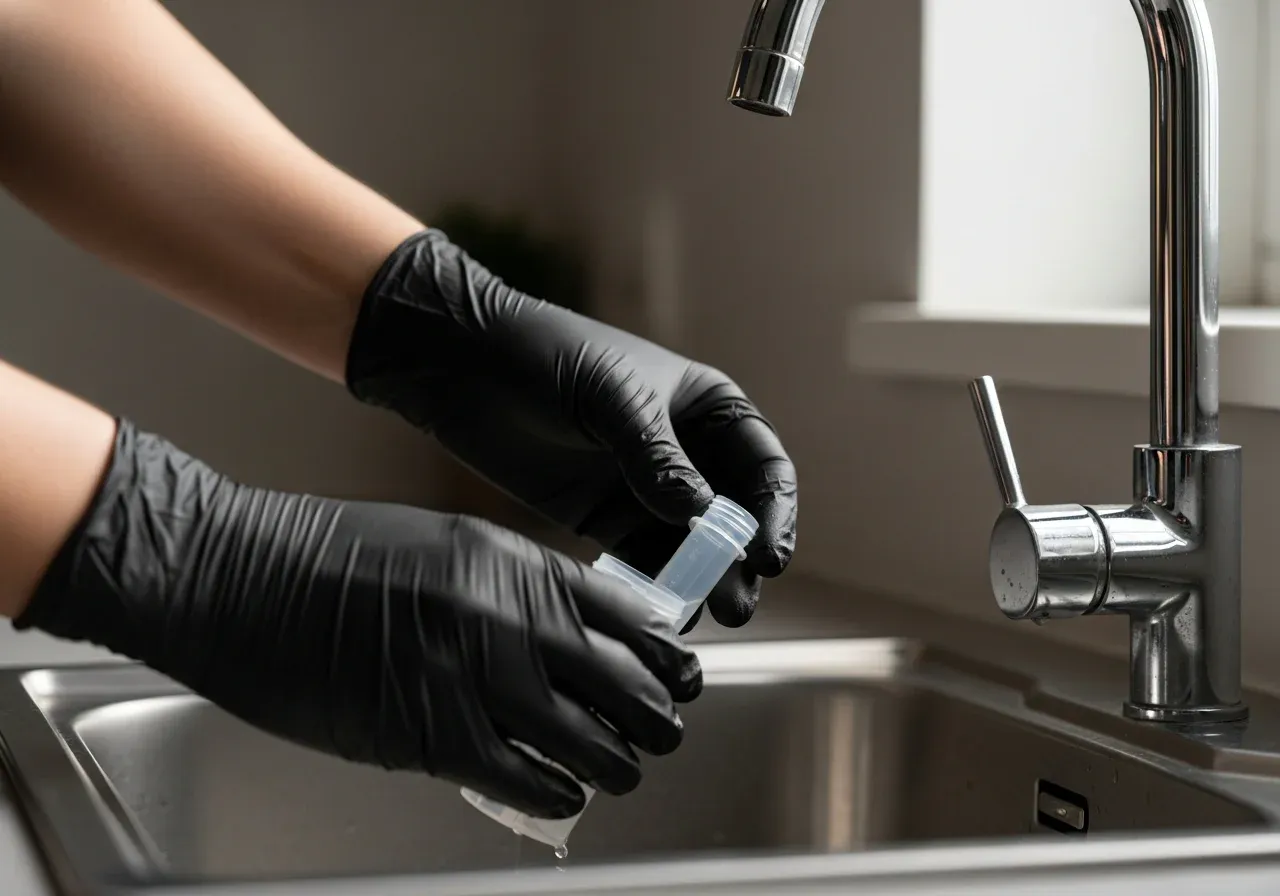
The EPA regulates larger public water supplies and requires testing. It does not regulate smaller water utilities. In many cases, especially for smaller public or private systems and private wells, homeowners are responsible for the maintenance, testing, and treatment of their own water supplies. Testing is the only way to confirm the presence of these contaminants in your tap water. Cyclopure and Mytapscore both offer water tests for PFAS and other chemicals of concern.
Scan Any Grocery Barcode
Scores Brands Can't Buy
Backed by Lab Testing
Cleaner Swaps in the Aisle
Filter Effectiveness
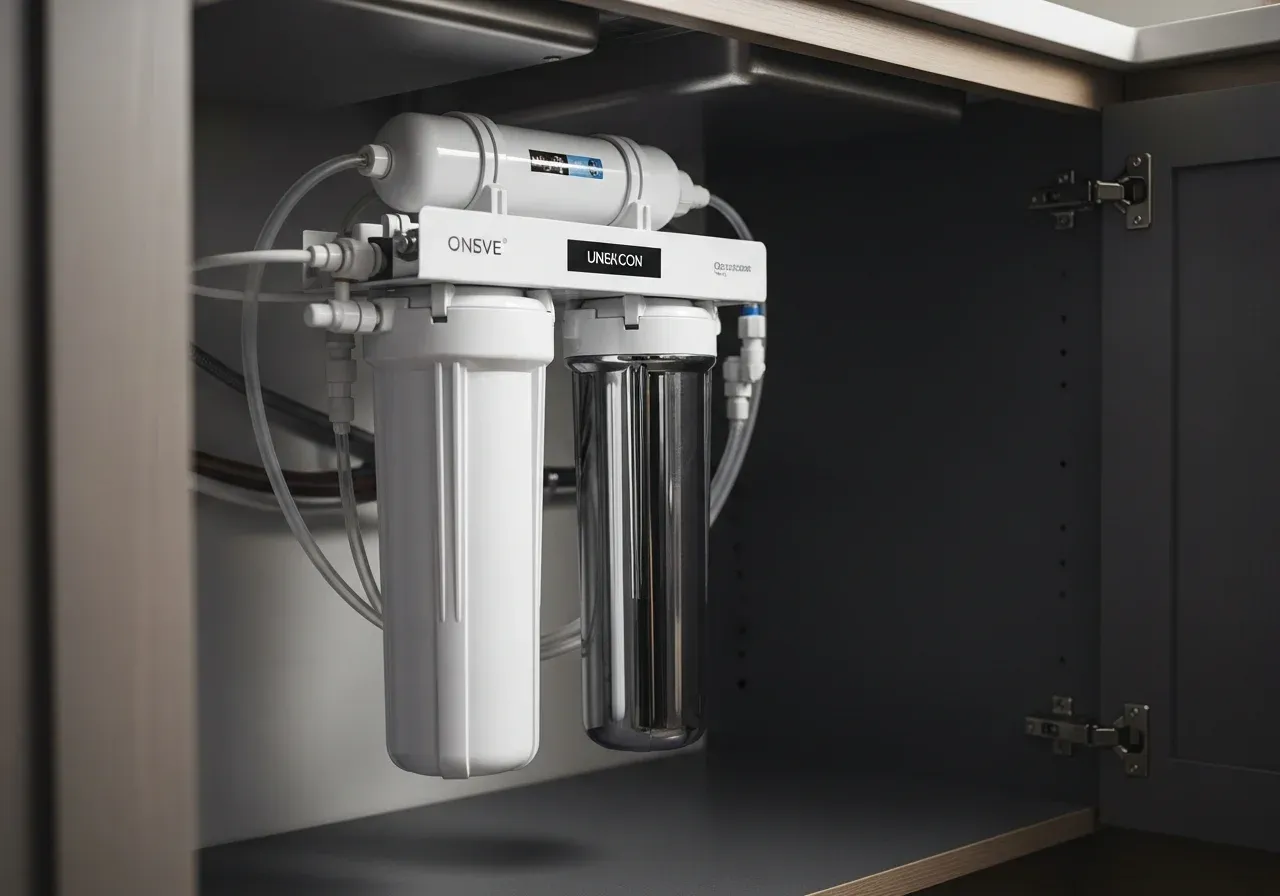
Scientists at Duke University and North Carolina State University say that while using any filter is better than using none, many of the household filters they tested are only partially effective at removing PFAS from drinking water. Some, without maintenance, increase concentrations.
They tested seventy-six point-of-use filters and thirteen point-of-entry or whole-house systems and found their effectiveness “varied widely.”
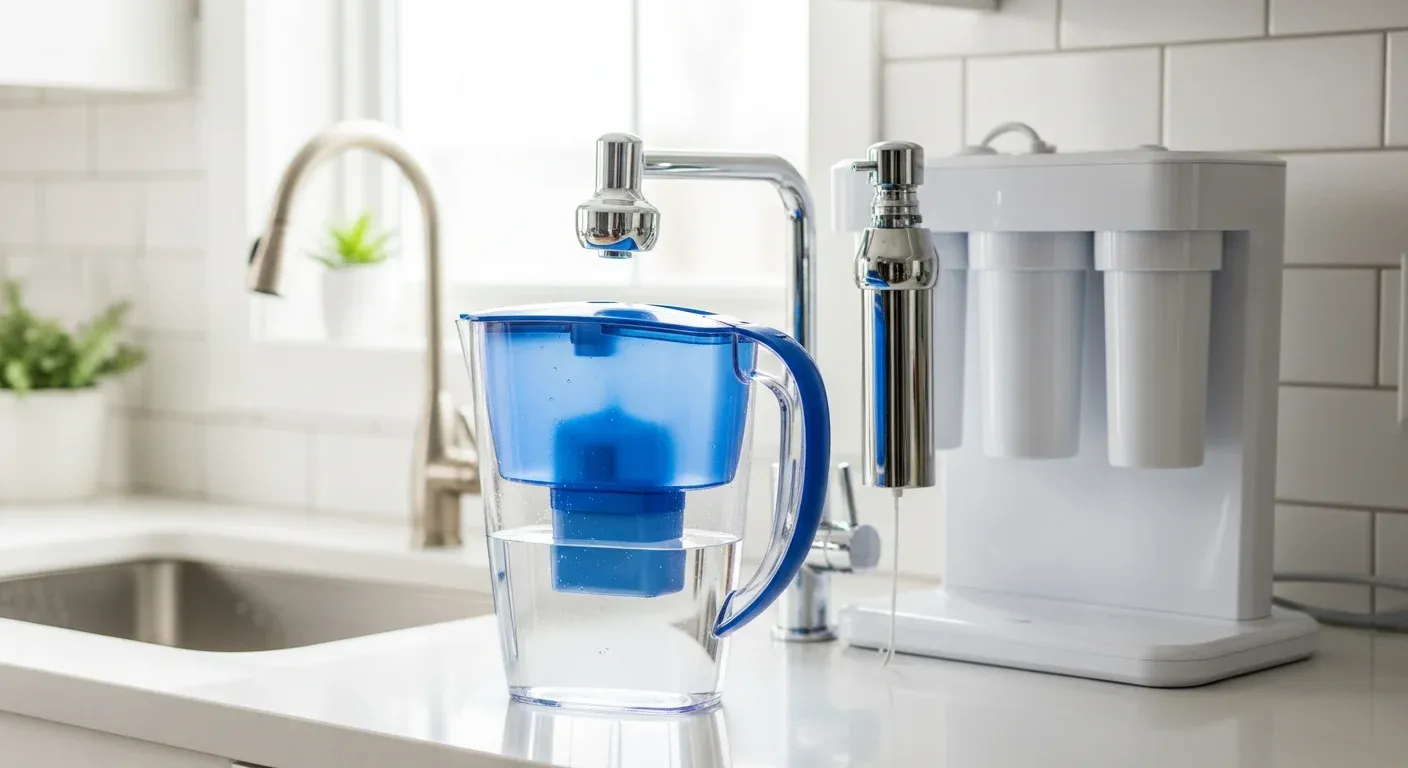
But there was good news too. All of the under-sink reverse osmosis systems and two-stage filters achieved near-complete removal of PFAS. In contrast, the effectiveness of activated-carbon filters, used in many pitcher, countertop, refrigerator, and faucet-mounted styles, was inconsistent and unpredictable. The whole-house systems were also widely variable and, in some cases, actually increased PFAS levels in the water. However, ZeroWater pitcher filters are certified to remove PFAS.
Key Takeaways from the Study
Reverse osmosis filters and two-stage filters reduced PFAS levels, including GenX, by ninety-four percent or more.
Activated-carbon filters removed an average of 73 percent of PFAS contaminants, but results varied widely. In some cases, the chemicals were completely removed; in other cases, they were not reduced at all. Researchers found no clear trends between removal efficiency and filter brand, age, or source-water chemical levels. Changing out filters regularly is probably a very good idea, nonetheless, researchers said.
The PFAS-removal efficiency of whole-house systems using activated carbon filters varied widely. In four of the six systems tested, some PFAS levels actually increased after filtration.
In 2017, Minnesota released the results of a study for a faucet-mounted carbon filter made by PUR. The filter was tested for seven PFAS chemicals commonly found in groundwater in Washington County. The state concluded that this low-cost filter could effectively reduce PFAS contamination. Six of seven contaminants, including PFOA and PFOS, were removed below the reporting limits of 5 and 10 parts per trillion, respectively. Levels of the shorter-chain PFAS and PFBA were reduced by 75%. In addition, the Environmental Working Group reports that pitcher filters are somewhat effective at PFAS removal.
Shower filters can be helpful, too. Seek brands that are certified or independently tested for PFAS removal.
Scan Any Grocery Barcode
Scores Brands Can't Buy
Backed by Lab Testing
Cleaner Swaps in the Aisle
Recommended for you
 Alexander Klein
Pore-Clogging Ingredients Checker: Strongest Options & Key Considerations
Learn how pore-clogging ingredient checkers function and how the leading platforms compare across scanning and search capability, methodology, and reliability.
 Alexander Klein
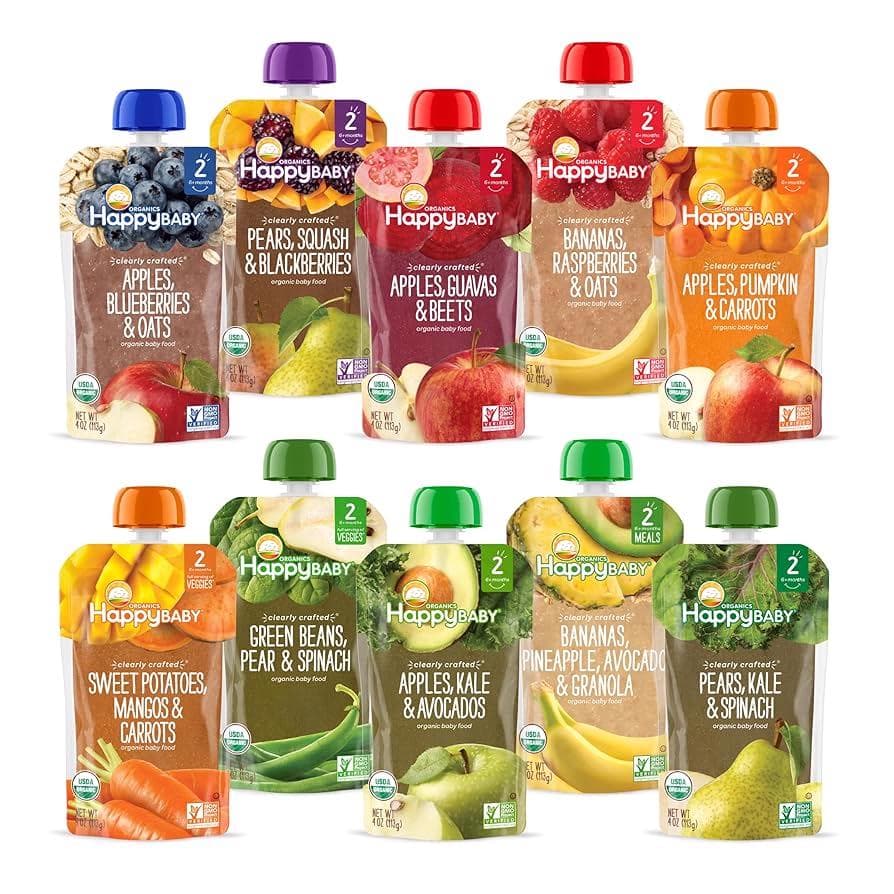
Happy Baby Pouches: Safe and Nutritious? | Parent's Guide
Discover everything you need to know about Happy Baby Pouches: A Parent's Guide to ensuring safe and nutritious choices amidst heavy metals concerns.
100% Independent.
Always.
We never monetize through brand deals, affiliate links, or ads — so you can trust our recommendations are always aligned with our users.
Frequently Asked Questions
What is the Olive app and how does it work?
Olive is a holistic health companion built to help you live cleaner and feel better. Scan a barcode and Olive shows you exactly what is in your food, your personal care products, and the things you bring into your home, then points you to a clean swap that actually makes a difference.
Inside the app you also get:
- Health coaching
- FDA recall alerts
- Prop 65-aligned baby food product lookups
- Proprietary lab testing data on your favorite products
- Video-assisted kitchen detox walkthroughs
- Maps of healthy restaurants and farmers’ markets near you
- Symptom tracking and logging
- Peptide and supplement dosage tracking
How does the Olive food and cosmetic ingredient scanner work?
You scan a product. Olive scores it from 0 to 100 (higher is cleaner), explains in plain language why it scored that way, flags the harmful stuff like seed oils, additives, hidden sugars, contaminants, and endocrine disruptors, and points you to a cleaner swap.
From there, Olive helps you actually change: a 28-day kitchen detox to start, habit building, coaching, and doctor-supervised peptide protocols.
What starts with one scan can end in more energy, a clear head, and a shopping cart you finally trust.
Which products can I scan: food, cosmetics, or bottled water?
All three. Scan food and drinks for the 0 to 100 score, with a breakdown of toxins, additives, processing, seed oils, and sugar.
Scan skincare, makeup, sunscreen, shampoo, and other personal care products and Olive rates every ingredient green, yellow, or red with a plain-language reason for the rating.
Scan bottled water and Olive checks it for contaminants such as fluoride, heavy metals, and microplastics.
How does Olive ensure the accuracy of its scan results?
We do our own independent lab testing for heavy metals (lead, cadmium, mercury, and arsenic) across roughly 400 products so far. That is more testing than most companies do, including Consumer Reports.
Our cosmetic ingredient rating system was built with the head of a chemical toxin working group, so every ingredient carries a documented reason behind its rating.
And Olive is independent. No ads, no affiliates, and we do not take money to change scores. Your subscription is what funds the testing, so Olive answers to you. All of it runs on a database of 10M+ products.
Can Olive be customized to my dietary needs?
Yes. Set your goals, your diet, and your allergies, and every score and swap adjusts to you. Keto, paleo, heart-healthy, Mediterranean, halal, kosher, gluten-free, and dairy-free are all covered.
If you react to gluten, dairy, nuts, soy, or anything else, Olive flags it before it reaches your cart.
Is Olive available for both Android and iOS?
Yes. Olive is live on both. Download Olive on the Apple App Store or get it on Google Play.
Is my data secure when I use Olive?
Yes. Your privacy comes first. Olive protects your personal information with strong security protocols, and your scans, your pantry, and your health details stay yours. You can read the details in our privacy policy.
How do I get started with Olive?
Start with the free quiz. It takes about five minutes, asks about your goals, your symptoms, and what is already in your kitchen, then hands you a personalized plan. Try Olive free.
Start with one scan.
Scan your food, personal care and home products
Independent scores backed by real lab testing
Cleaner swaps for you, and everyone you shop for