Most Common GLP-1 Side Effects: Symptoms, Management, and When To Seek Help
Learn about potential GLP-1 side effects, how to manage them, when to seek medical advice, and why doctor-supervised treatment and lifestyle adjustments matter.
Sign up for Olive
Like any other group of medications, GLP-1s have potential side effects. Gastrointestinal issues are among the most common and easily treatable ones, but patients may also have concerns about other serious adverse reactions.
Understanding what to expect and how to respond can help you navigate treatment more confidently. This guide covers known GLP-1 side effects, practical strategies for managing them, and situations in which medical advice is necessary.
- Which GLP-1 medication side effects are most common
- How to manage or potentially reduce specific adverse reactions
- Why medical supervision, broader lifestyle adjustments, and support matter throughout treatment
Live cleaner and start feeling better today.
Sign up for OliveWhat Are the Side Effects of GLP-1 Medications?
The negative effects of GLP-1s vary from person to person, but the most well-known include:
- Gastrointestinal issues
- Headaches and dizziness
- Reduced appetite and nutritional deficiencies
- Injection-site reactions
- Dehydration and kidney complications
- Gallbladder and biliary issues
- Rare but serious side effects
1. Gastrointestinal Side Effects
Gastrointestinal side effects are the most common negative reactions to GLP-1s. They are often noticeable when starting treatment or increasing the dose.
The most common gastrointestinal side effects associated with GLP-1 treatment, according to a multidisciplinary expert consensus, are:
| Gastrointestinal Symptom | Frequency and Duration |
|---|---|
| Nausea | The most frequent gastrointestinal side effect, which usually subsides after ~8 days |
| Diarrhea | Commonly begins within the first month of treatment, with symptoms lasting ~3 days |
| Vomiting | Less frequently experienced than nausea, with symptoms generally decreasing within 1–8 days |
| Constipation | Relatively common in patients with overweight or obesity, particularly persistent within the first 28 days of treatment |
Abdominal pain or discomfort, while not one of the most common adverse reactions, can also occur during a medically supported weight-loss treatment. Depending on the medication, additional gastrointestinal issues may include bloating, indigestion, acid reflux, belching, and gas.
Instant Barcode Scan
Allergen Detection
Clear Ingredient Insights
Get Personalized Suggestions
2. Headaches and Dizziness

The use of GLP-1s has been associated with an increased risk of headaches and migraines. According to a 2025 study, these symptoms may develop even in patients without a previous history of headaches.
However, the study recognizes obesity itself as a risk factor for migraine, potentially increasing the frequency and severity of attacks. It also associates weight loss with improvements in certain headache disorders, particularly idiopathic intracranial hypertension (IIH). Although emerging evidence suggests that GLP-1s may also have a role in migraine management, further research is needed to establish their therapeutic benefits.
Dizziness can also occur during GLP-1 treatment, particularly in those already taking blood pressure medication. In these cases, contact your healthcare provider to assess any underlying contributing factors.
3. Reduced Appetite and Nutritional Deficiencies
While one of the key objectives of using GLP-1s for weight loss is to reduce appetite and cravings, the effect can become too aggressive. If your appetite drops significantly or gastrointestinal issues prevent you from eating enough, you could be at risk of nutritional deficiencies due to an insufficient intake of protein, fiber, healthy fats, minerals, and vitamins.
A 2026 review of several studies published between January 2019 and May 2025 suggested that patients on a medically supported weight-loss journey were mostly deficient in vitamin D, followed by decreased iron and ferritin levels. More than 60% of users consumed insufficient amounts of calcium and iron, and calcium insufficiency, paired with low protein intake, contributed to lean-mass loss.
Pair weight-loss medication with adequate nutritional guidance as part of your treatment plan. See if you qualify for the Olive Protocol, which combines weight-loss peptide treatment with continuous medical supervision, dietary support, and lifestyle-improvement strategies.
4. Injection-Site Reactions
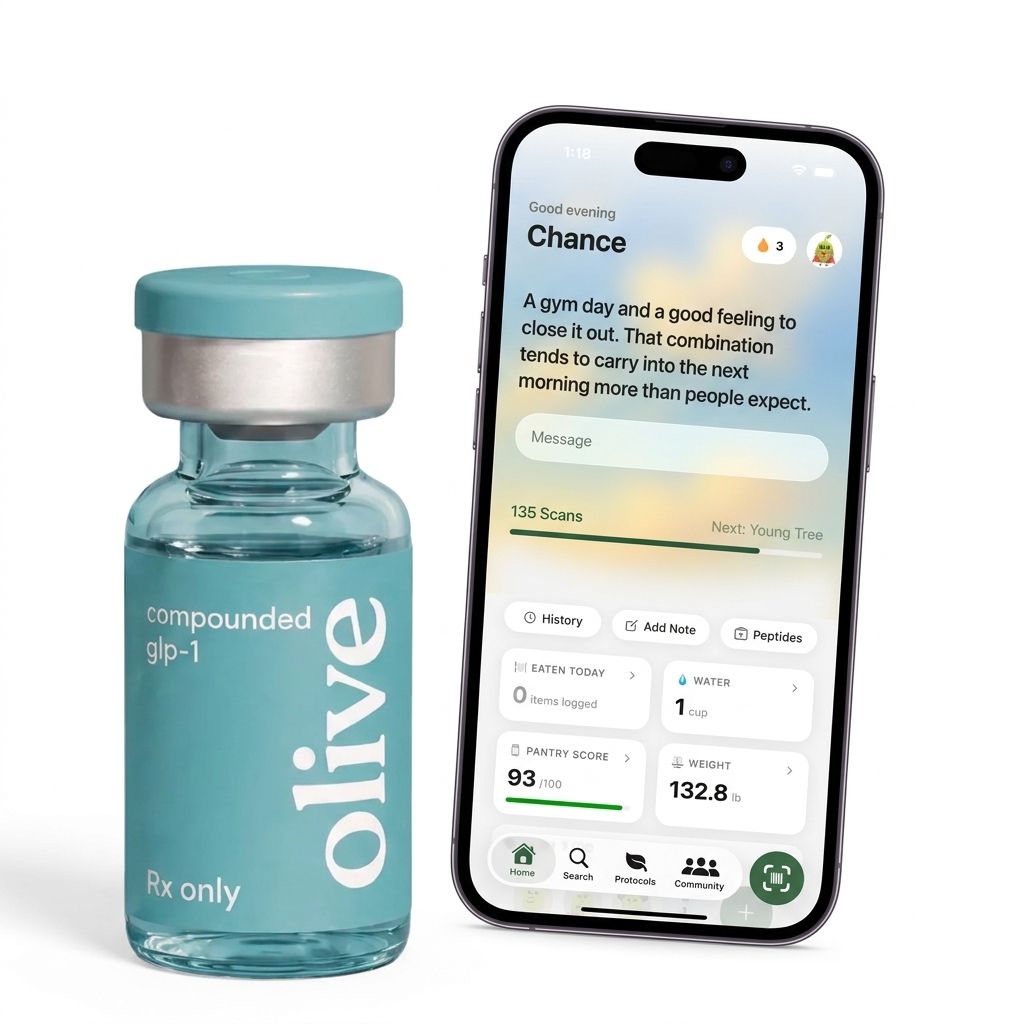
Mild injection-site reactions, such as pain, redness, itching, or raised rubbery lumps, may occur after the administration of injectable weight-loss medication. These symptoms usually go away on their own without any particular treatment. Effects such as swelling and itching may be treated with cold compresses for faster relief, if approved by your healthcare provider.
More noticeable topical side effects of GLP-1 shots, including hives, a rash, swollen feet or hands, could signal an allergic reaction. Discuss such symptoms with your healthcare professional promptly. Severe symptoms such as dizziness, swelling of the face or throat, and difficulty breathing require immediate medical attention as they may indicate anaphylaxis or another severe immune response to the medication.
5. Gallbladder and Biliary Issues
According to a review of gallbladder disease risk, prolonged use of GLP-1s, particularly at higher doses, is associated with gallstone formation, gallbladder inflammation, and impaired gallbladder motility. Patients with pre-existing risk factors, such as insulin resistance and metabolic abnormalities, are also at a higher risk of gallstone formation.
These issues may stem from weight-loss-related changes in the body, not necessarily from the medication itself. According to the NIDDK, rapid weight loss can increase cholesterol levels in bile, preventing the gallbladder from emptying properly and creating conditions conducive to gallstone formation.
6. Dehydration and Kidney Complications
FDA-approved prescribing information for several GLP-1 medications now includes warnings about acute kidney injury from volume depletion. These warnings may appear for:
- Ozempic: Acute kidney injury has been associated with dehydration due to gastrointestinal side effects, including nausea, vomiting, or diarrhea
- Mounjaro: The risk of acute kidney injury also stems from adverse gastrointestinal effects, including nausea, vomiting, and diarrhea
- Wegovy: The warning includes dehydration-related acute kidney injury as a result of gastrointestinal symptoms
The underlying cause of these kidney complications seems to be severe dehydration, not a direct toxic effect of the medication on the kidney. Address persistent gastrointestinal symptoms with your healthcare provider before dehydration progresses into complications.
7. Rare but Serious Side Effects
Serious side effects of GLP-1s, although rare, are possible and important to be aware of. The most prominent ones are described in the table below:
Side Effect | Description |
|---|---|
Pancreatitis | Inflammation of the pancreas may cause severe, persistent abdominal pain |
Bowel obstruction | A blockage that prevents food and waste from moving normally through the intestines |
Gastroparesis | Slowed or stopped movement of food from the stomach |
Diabetic retinopathy and NAION are associated with the use of some brand-name GLP-1s, though the evidence varies and research remains ongoing | |
Thyroid C-cell tumors | Due to animal studies showing an association between medullary thyroid carcinoma (MTC) and the use of GLP-1s, the FDA advises against their use in patients with a family history of this condition or MEN 2 |
Pulmonary aspiration | Because GLP-1s may delay gastric emptying, retained stomach contents could cause pulmonary aspiration, especially during anesthesia |
To reduce the risk of serious side effects, be transparent during your initial medical evaluation, seek immediate medical care in case of severe symptoms, and never adjust the medication dosage independently.
6 Methods for Managing GLP-1 Medication Side Effects
While some GLP-1 side effects may be unavoidable, several strategies can help prevent or reduce their likelihood, severity, or duration. Methods you can apply to manage the possible side effects of GLP-1 include:
- Adjusting meal size and habits
- Adhering to the program
- Staying hydrated
- Prioritizing a nutrient-dense diet
- Using symptom-specific management strategies
- Following a doctor-supervised GLP-1 regimen
1. Adjust Meal Size and Habits
Your eating patterns influence how you respond to medication, especially when it comes to gastrointestinal discomfort. To minimize the likelihood or severity of adverse side effects such as nausea, consider these recommendations:
- Avoid frying and sauteing your food and opt for cooking methods such as steaming, baking, and boiling
- Eat slowly and choose smaller, more frequent meals
- Stop eating when you feel full
- Avoid spicy foods, heavily seasoned dishes, and alcohol
- Avoid liquid foods such as soups and broths in the evening, as they may slow digestion
- Avoid eating fruit with your regular meals; have it as an afternoon or morning snack
- Avoid exercising or lying down immediately after eating
Food tolerance varies among individuals, so track meals or ingredients that seem to trigger or intensify your symptoms and bring them up during your check-ups.

2. Adhere to the Treatment Plan
Never adjust your GLP-1 dose without consulting your prescriber, as doing so could increase the risk of side effects, particularly gastrointestinal ones. A reliable treatment plan is designed not only to produce results but also to mitigate unwanted symptoms. Also, follow the titration period carefully and consult with your healthcare provider if a dose increase causes adverse reactions.
Providers with a more comprehensive approach to weight loss may also recommend:
- Adjusting dietary habits
- Incorporating appropriate physical activity
- Optimizing sleep and stress management
- Monitoring symptoms and identifying potential triggers
While medication can be central to an effective weight-loss plan, it works best as part of a broader strategy that supports your nutrition, physical health, and long-term habits.
3. Stay Hydrated
Dehydration is one of the most prominent risks for patients experiencing severe gastrointestinal symptoms such as nausea, vomiting, and diarrhea. It also contributes to acute kidney injury.
If drinking water triggers nausea, take small, frequent sips throughout the day rather than drinking large quantities at once. You can also alternate between plain water, sugar-free flavored water, and herbal teas to add variety and ensure consistent fluid intake.
To prevent serious complications, seek urgent medical care if your gastrointestinal side effects become severe or if you continue losing fluids.
4. Prioritize a Nutrient-Dense Diet
Due to the appetite-suppressing effects of GLP-1s, your intake of essential nutrients may be seriously compromised, potentially leading to deficiencies. A joint clinical advisory suggests that inadequate nutrient intake during treatment may also contribute to loss of bone density and muscle mass. In addition, patients taking GLP-1s due to obesity may already have nutritional habits that increase their risk of deficiencies before beginning a medically supported weight-loss treatment.
Consult with a qualified professional who can factor nutritional balance into your weight-loss plan, or choose GLP-1 programs like Olive that include dietary guidance as part of the overall treatment.
5. Use Symptom-Specific Management Strategies
You can use specific symptom management strategies to alleviate discomfort or reduce its severity. For example, if the injection spot is sore or swollen, applying a cold compress may provide relief.
In case of rubbery lumps, your healthcare provider may advise rotating injection sites and avoiding areas that are already bruised or irritated. Discuss any new practices and relief methods with your healthcare provider before incorporating them.
6. Follow a Doctor-Supervised GLP-1 Regimen
When starting GLP-1 treatment, it's easy to focus on the medication itself and overlook a key part of the process: ongoing medical guidance. Side effects can be difficult to handle alone, and knowing how to manage symptoms, when to seek medical advice, or whether your treatment plan needs adjusting is vital.
Choosing a doctor-supervised regimen such as Olive gives you access to professional guidance throughout treatment, covering health coaching, educational resources, nutritional support, and tools for overall lifestyle improvement. You get holistic support from the initial intake until you and your prescriber decide to taper off the medication.
GLP-1 Expert Support and Broader Guidance With Olive
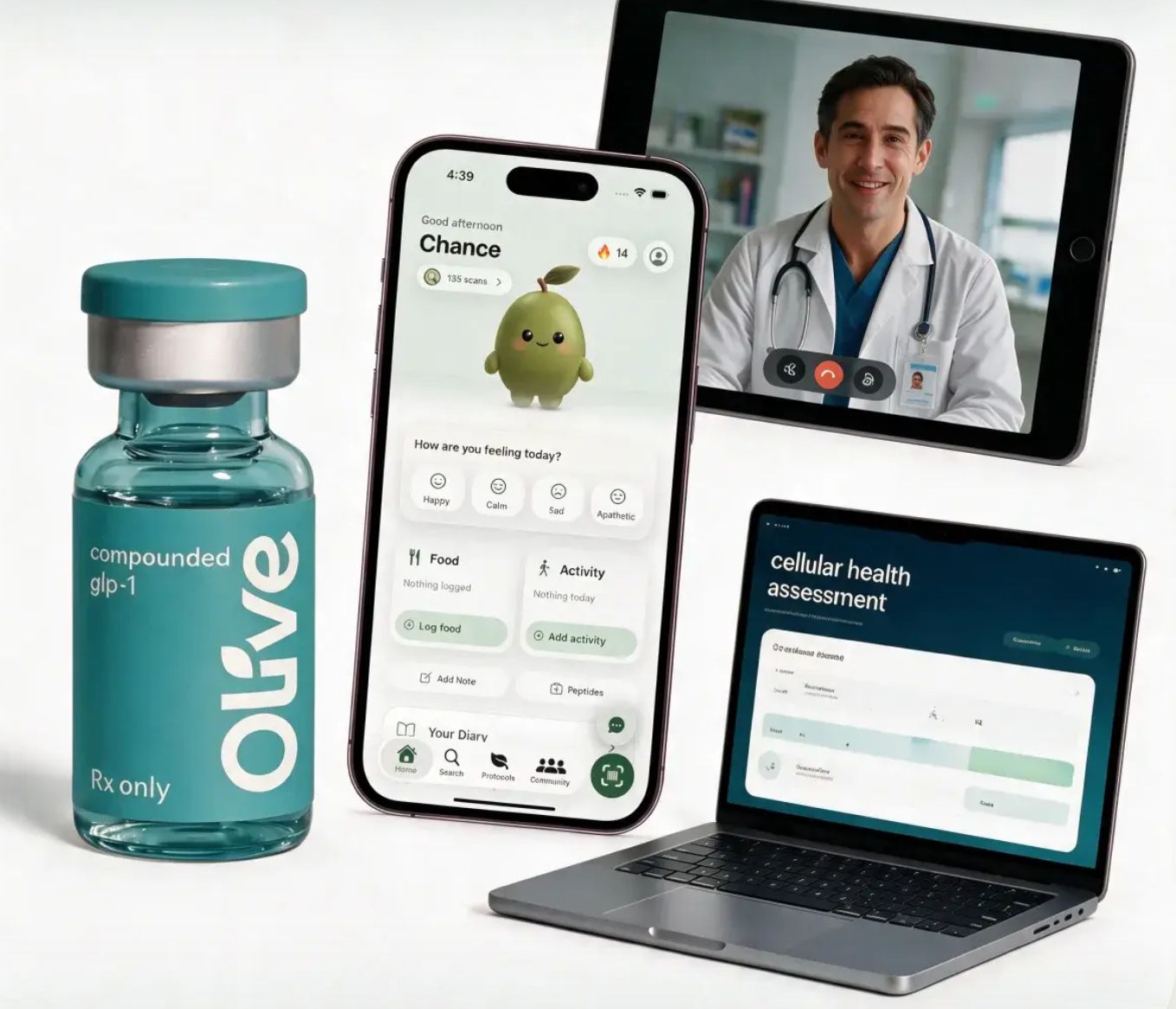
Olive is a holistic health companion that provides access to doctor-supervised peptide and wellness plans, fulfilled through licensed U.S. pharmacies. It offers three protocols:
Olive Protocol | Details |
|---|---|
Full-dose semaglutide and tirzepatide treatment | |
Low-dose GLP-1 or GLP-1/GIP treatment | |
Targeted compounds like NAD+, glutathione, sermorelin, and B12 |
Olive’s approach isn’t limited to weight loss and management. While they remain focal points, Olive protocols treat them as part of a comprehensive lifestyle improvement strategy. It combines nutritional guidance, personalized health coaching, educational video resources, food scanning for harmful ingredients, and continuous expert support throughout peptide treatment.
The Olive Protocol stands on three essential pillars:
- Medication: Complete a medical intake form and, if eligible, receive personalized GLP-1 plans based on your health history, needs, and goals, shipped directly to your door
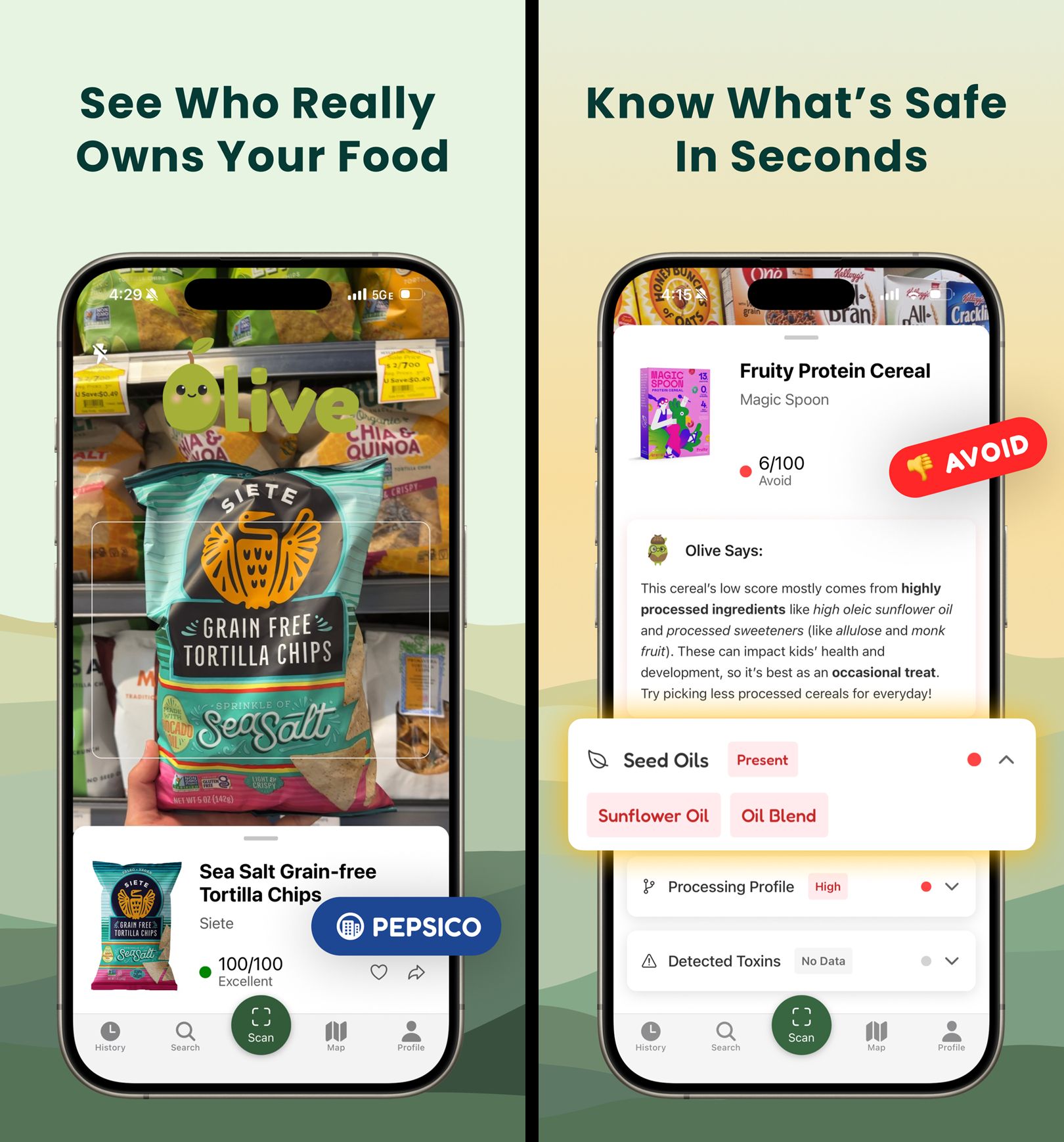
- Clearing plan: Unlock access to the Olive app and all its features, including personalized pantry, product scanner, plain-language risk explanations, and recommendations for cleaner alternatives
- Coaching: Get ongoing support from a coaching team throughout the program, from starting your treatment through the process of transitioning off when appropriate
Olive doesn’t guarantee eligibility for weight loss protocols or provide prescription medication to everyone. A licensed prescriber reviews the information you provide in the intake form and determines whether a medically supported weight-loss plan is appropriate for you. If you’re declined for a medical reason, you receive an explanation and a full refund.
The monthly plan includes a personalized peptide protocol and access to all accompanying Olive features and tools at $199 for the first month. Complete the intake form today to check whether you qualify.
FAQs
Are there any long-term side effects of GLP-1 I should be aware of?
One systematic review of 76 studies found a connection between the prolonged use of higher doses of GLP-1s for weight loss and an increased risk of gallbladder or biliary diseases. The review found the risk to be small, underscoring the importance of dosage, duration of use, and individual factors.
The nature, severity, and persistence of side effects depend on various components, including the type of GLP-1 medication, dosage, duration of use, and strictly individual factors such as comorbidities and health history.
Are there any specific GLP-1 side effects for women?
While side effects such as gastrointestinal discomfort are common regardless of sex, some effects may be more frequent in women. A potential concern is menstrual cycle irregularity after starting GLP-1 treatment. One study found that female patients reported menstrual changes such as heavy menstrual bleeding, menstrual clots, and anovulatory cycles with the use of specific brand-name weight-loss medications. While the study suggests a correlation between symptoms and GLP-1, it doesn’t prove that the medication was the sole cause of these events.
These changes may not be strictly tied to the medication itself but rather to its effects, including changes in weight, body fat percentage, and hormonal status.
How long do GLP-1 side effects last?
The severity and longevity of side effects are highly individual. While some patients may not experience any gastrointestinal discomfort or other unpleasant symptoms, others may be more susceptible to them. According to an expert consensus on the adverse effects of GLP-1s, different side effects may have different durations. For example, nausea may persist during the first 4–5 weeks of treatment, whereas vomiting typically resolves within 1–8 days.
Which GLP-1 has the least amount of side effects?
One meta-analysis recognized tirzepatide as the active component associated with the highest overall risk of gastrointestinal side effects among the treatments studied. Dulaglutide and exenatide, on the other hand, were associated with relatively better gastrointestinal tolerability for patients with type 2 diabetes.
That doesn’t mean that a single GLP-1 causes fewer side effects for every patient. It is crucial to factor in patients’ tolerability and individual responses for successful treatment as reactions vary with the medication, dose, titration schedule, and specific side effects.
Featured image source: Cast Of Thousands/Shutterstock
Instant Barcode Scan
Allergen Detection
Clear Ingredient Insights
Get Personalized Suggestions
Recommended for you

 Alexander Klein
Pore-Clogging Ingredients Checker: Strongest Options & Key Considerations
Learn how pore-clogging ingredient checkers function and how the leading platforms compare across scanning and search capability, methodology, and reliability.
 Alexander Klein
Happy Baby Pouches: Safe and Nutritious? | Parent's Guide
Discover everything you need to know about Happy Baby Pouches: A Parent's Guide to ensuring safe and nutritious choices amidst heavy metals concerns.
100% Independent.
Always.
We never monetize through brand deals, affiliate links, or ads — so you can trust our recommendations are always aligned with our users.
Frequently Asked Questions
What is the Olive app and how does it work?
Olive is a holistic health companion built to help you live cleaner and feel better. Scan a barcode and Olive shows you exactly what is in your food, your personal care products, and the things you bring into your home, then points you to a clean swap that actually makes a difference.
Inside the app you also get:
- Health coaching
- FDA recall alerts
- Prop 65-aligned baby food product lookups
- Proprietary lab testing data on your favorite products
- Video-assisted kitchen detox walkthroughs
- Maps of healthy restaurants and farmers’ markets near you
- Symptom tracking and logging
- Peptide and supplement dosage tracking
How does the Olive food and cosmetic ingredient scanner work?
You scan a product. Olive scores it from 0 to 100 (higher is cleaner), explains in plain language why it scored that way, flags the harmful stuff like seed oils, additives, hidden sugars, contaminants, and endocrine disruptors, and points you to a cleaner swap.
From there, Olive helps you actually change: a 28-day kitchen detox to start, habit building, coaching, and doctor-supervised peptide protocols.
What starts with one scan can end in more energy, a clear head, and a shopping cart you finally trust.
Which products can I scan: food, cosmetics, or bottled water?
All three. Scan food and drinks for the 0 to 100 score, with a breakdown of toxins, additives, processing, seed oils, and sugar.
Scan skincare, makeup, sunscreen, shampoo, and other personal care products and Olive rates every ingredient green, yellow, or red with a plain-language reason for the rating.
Scan bottled water and Olive checks it for contaminants such as fluoride, heavy metals, and microplastics.
How does Olive ensure the accuracy of its scan results?
We do our own independent lab testing for heavy metals (lead, cadmium, mercury, and arsenic) across roughly 400 products so far. That is more testing than most companies do, including Consumer Reports.
Our cosmetic ingredient rating system was built with the head of a chemical toxin working group, so every ingredient carries a documented reason behind its rating.
And Olive is independent. No ads, no affiliates, and we do not take money to change scores. Your subscription is what funds the testing, so Olive answers to you. All of it runs on a database of 10M+ products.
Can Olive be customized to my dietary needs?
Yes. Set your goals, your diet, and your allergies, and every score and swap adjusts to you. Keto, paleo, heart-healthy, Mediterranean, halal, kosher, gluten-free, and dairy-free are all covered.
If you react to gluten, dairy, nuts, soy, or anything else, Olive flags it before it reaches your cart.
Is Olive available for both Android and iOS?
Yes. Olive is live on both. Download Olive on the Apple App Store or get it on Google Play.
Is my data secure when I use Olive?
Yes. Your privacy comes first. Olive protects your personal information with strong security protocols, and your scans, your pantry, and your health details stay yours. You can read the details in our privacy policy.
How do I get started with Olive?
Start with the free quiz. It takes about five minutes, asks about your goals, your symptoms, and what is already in your kitchen, then hands you a personalized plan. Try Olive free.
Start with one scan.
Scan your food, personal care and home products
Independent scores backed by real lab testing
Cleaner swaps for you, and everyone you shop for