GLP-1 & Vision Loss: Do Drugs Like Wegovy and Zepbound Cause Vision Changes?
Are claims about GLP-1 vision loss risks true? Learn what research shows and explore evidence on Wegovy, Ozempic, and Zepbound, including current lawsuits.
Sign up for Olive
Many patients describe weight-loss medications such as Wegovy, Zepbound, and Ozempic as life-changing, but some have raised concerns about potential serious side effects. Recently, GLP-1 companies have been facing lawsuits alleging that these medications may be associated with a condition potentially causing vision loss in some patients.
As demand for medically supported weight-loss programs continues to grow, the potential link between GLP-1s and vision loss is under considerable scrutiny. This guide explores the lawsuits surrounding the alleged vision-related side effects of brand-name GLP-1 drugs, the existing evidence, and why choosing a reliable, expert-guided program is critical for safe and sustainable weight loss.
- Available scientific evidence on the potential effects of GLP-1 medications on eyesight
- What current lawsuits allege about the effects of GLP-1 medication on vision
- What to prioritize in a medically supported weight-loss program for safety
Before examining the lawsuits, it helps to understand the main eye condition at the center of these claims: NAION.
Live cleaner and start feeling better today.
Sign up for OliveWhat is NAION, and Is It Caused by GLP-1s?
Non-arteritic anterior ischemic optic neuropathy (NAION) is an ophthalmological condition, recognized as the leading cause of acute optic nerve injury. The condition is more likely to develop in individuals older than 50, regardless of gender. However, the American Academy of Ophthalmology (AAO) says that the exact pathogenesis and effective treatments for this disease are yet to be established.
NAION includes sudden, painless vision loss, usually affecting one eye, though bilateral vision impairment is possible in rare cases. Risk factors for developing this condition include diabetes, smoking, and hypertension, but more research is necessary to determine the exact contributors.
In a separate study, the AAO recognizes a “possible small increased risk of NAION” in patients using semaglutide. However, it describes the risk as “low and yet to be confirmed,” further suggesting the research gaps in assessing the exact role of GLP-1s in the development of NAION. For now, available evidence points to a potential association in some cases but doesn’t establish that GLP-1 medications directly cause the condition.
Another study that recognized an increased risk of developing NAION after five years of GLP-1 use in type 2 diabetes patients highlights the inconclusive relationship between the condition and the medication. As with other sources, this study underscores the need for further research before concrete conclusions can be drawn.
How the Connection Between NAION and GLP-1s Is Perceived Globally
While the U.S. doesn’t yet require manufacturers to include a NAION-specific warning on GLP-1 medication labels, the situation differs slightly in other parts of the world:
- European Union: The European Medicines Agency recommended manufacturers list NAION as a very rare side effect of semaglutide medications, including Ozempic, Rybelsus, and Wegovy
- Australia: As of July 2026, product information for GLP-1 medications marketed in Australia, including Trulicity, Ozempic, Wegovy, Mounjaro, and Saxenda, lists NAION as a rare but serious eye condition that may cause permanent vision loss
- Canada: The current Ozempic product monograph issued by Novo Nordisk Canada lists an increased risk of NAION development during semaglutide treatment as one of the rare ophthalmological side effects
Instant Barcode Scan
Allergen Detection
Clear Ingredient Insights
Get Personalized Suggestions
GLP-1 Vision Loss Lawsuits: What Are the Key Allegations?
A series of lawsuits has brought the potential association between GLP-1s and eyesight into the public eye. Some companies have issued official statements addressing the allegations, while others have chosen not to discuss the ongoing litigation process publicly. Still, growing awareness of these lawsuits brings scrutiny and skepticism over the overall safety of weight-loss medications.
The following sections explore two ongoing lawsuits concerning GLP-1 and vision changes, including the plaintiffs’ allegations, the medications involved, and any conclusions established in the litigation to date.
1. GLP-1 Vision Loss NAION Lawsuit: Eastern District of Pennsylvania
In December 2025, lawsuits alleging the development of NAION following the use of GLP-1 medication were consolidated under MDL No. 3163. The Judicial Panel consolidated 21 actions pending across three districts under a single umbrella, centralizing them in the Eastern District of Pennsylvania.
The subject of the litigation is the plaintiffs’ claim that their use of GLP-1 receptor antagonists, including Ozempic, Wegovy, Saxenda, and Trulicity, caused them to develop NAION. These medications are manufactured by Eli Lilly or Novo Nordisk, well-known providers of type 2 diabetes and weight-loss drugs.
The consolidated cases raise questions about the medications’ development, manufacturing, testing, regulatory history, and potential to cause NAION. The plaintiffs also allege that the manufacturers failed to warn them about the potential adverse effects of this nature and magnitude.
As of July 2, 2026, the liability litigation against two manufacturers expanded, now encompassing:
- Ozempic, Wegovy, Rybelsus, Saxenda, Trulicity, Mounjaro, and Zepbound
- 130+ cases sharing similar claims of developing NAION after using the mentioned medications, either for type 2 diabetes and/or long-term weight management
The claims remain under review, and, aside from the rising number of cases with similar concerns, no definitive legal conclusions have been reached. While Novo Nordisk pointed to a company-funded study that found no direct connection between the medication and NAION, Eli Lilly offered no comment on the litigation, stating it was reviewing the health risk data.
2. GLP-1 Lawsuit for Vision Loss: New Jersey
Novo Nordisk isn’t facing claims only through the federal MDL in Pennsylvania. According to the Wall Street Journal, more than 90 cases have been filed in the New Jersey state court with similar claims since 2025. Allegedly, the use of Ozempic and Wegovy, manufactured by Novo Nordisk, has also led to patients being diagnosed with NAION.
In October 2025, the New Jersey Supreme Court grouped the GLP-1-related NAION lawsuits in Bergen County. However, there has been no official confirmation that Ozempic or Wegovy is the root cause of the reported vision loss from GLP-1.
Can GLP-1 Cause Vision Problems Other Than NAION?
The association between GLP-1s and eyesight seems more relevant in certain groups of patients with pre-existing health conditions. While the exact connection between GLP-1s and NAION remains under investigation, other vision-related conditions may have a clearer connection with the use of GLP-1s, including:
- Diabetic retinopathy
- Temporary blurred vision
1. Diabetic Retinopathy
According to a JAMA cohort study, GLP-1 use has a slight association with the development of diabetic retinopathy (DR). This eye condition, as the name itself implies, develops in patients with diabetes and is one of the most common causes of vision loss and preventable blindness in adults.
In most cases, it develops due to high blood glucose levels and deregulated glucose pathways. While the development of DR was slightly increased among patients with diabetes who used GLP-1s, fewer patients experienced serious, eyesight-threatening complications. The study concludes that treatment with GLP-1s may potentially reduce the likelihood of DR progressing to vision loss or blindness, even in patients with pre-existing DR.
2. Temporary Blurred Vision
Based on a review of ocular complications associated with GLP-1s, blurry vision may occur due to fluctuating blood sugar levels, which can cause the eye's lens to swell or shrink. The use of these medications has also been associated with dry eye disease, which, in addition to blurred vision, may contribute to general discomfort and a gritty sensation in the eyes.
The review underscores the need for additional research into potential vision loss associated with GLP-1s, particularly conditions such as NAION, worsening DR, and macular edema. It also suggests that individual factors, such as existing eye conditions, comorbidities, and structural features of the optic nerve, contribute to the overall risk.
How To Choose a Reliable Medically Supported Weight Loss Program
When starting a medically supported weight-loss program, having expert guidance can provide safety throughout treatment. While GLP-1s can be obtained through a prescription from your healthcare provider, a medically guided program can offer more structured support, especially if you’re concerned about potential side effects and impact on existing health conditions, obstacles, and the questions that may arise if and when you decide to stop using medication.
When exploring GLP-1 options and providers, consider the following:
- Eligibility assessment: Choose a provider that evaluates your medical history, existing health conditions, and individual risk factors before prescribing GLP-1 medication, including any factors that could affect your eye health
- Standards and quality requirements: Prioritize providers that are transparent about the ingredients they use and pharmacies they collaborate with. Regulatory compliance, third-party testing, and overall quality control are essential
- Expert support: Choose a platform that offers ongoing access to healthcare professionals, especially for support with dosing, side effects, and tapering off. A guided approach helps you optimize your lifestyle simultaneously
- Broader lifestyle guidance: Consider a platform that offers support beyond medication, including practical guidance on nutrition and sustainable lifestyle changes to help you maintain healthy habits during and beyond treatment
If you're considering personalized GLP-1 treatment for weight loss, Olive combines prescription treatment with tailored nutrition guidance and ongoing lifestyle optimization to help you build sustainable, healthy habits. It helps you stay on track and recognize foods and behaviors that may be preventing you from reaching your full potential.
Olive: Individual Weight Loss Protocols With Continuous Expert Support
Olive is a holistic health companion offering access to compounded weight-loss medication, with a strong emphasis on safety and quality control. Prescription treatment is available only to individuals who meet eligibility criteria following a medical assessment by a licensed clinician.
Each 503A compounding pharmacy Olive collaborates with must source its active pharmaceutical ingredients (APIs) from FDA-registered manufacturers, with every API accompanied by a valid Certificate of Analysis verifying quality and regulatory compliance. Additionally, each partner pharmacy conducts routine, rigorous third-party quality testing to assess potency, sterility, quality, and contamination in accordance with state and USP standards.
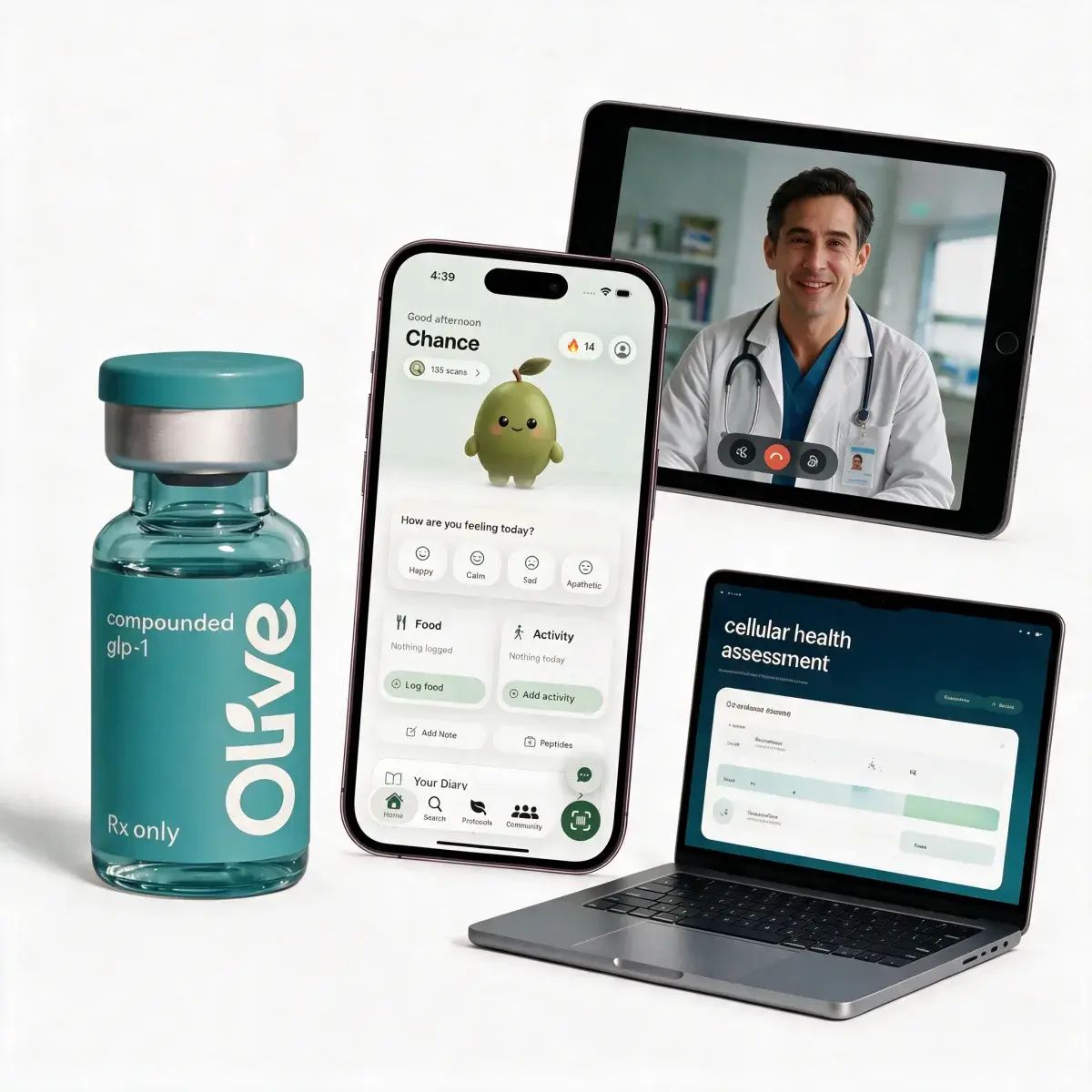
The platform brings prescribing clinicians together with physicians experienced in the nutritional aspects of metabolic health, combining nutrition and medication to build a strong foundation for sustainable results and broader lifestyle improvement.
Flagship Features of the Olive Protocol
Access to the Olive Protocol unlocks multiple features and tools in addition to prescription medication:
Olive Protocol Component | Description |
|---|---|
Licensed clinician prescribing | Access compounded semaglutide or tirzepatide from a licensed U.S. pharmacy if eligible |
Unlimited doctor messaging | Stay in touch with a healthcare professional about your concerns, doubts, and questions at no additional cost |
Food scanner with 10M+ products | Inspect your groceries for potentially harmful ingredients and hidden contaminants, and find cleaner swaps directly in the app |
Education course and tapering off | Understand GLP-1 mechanisms, the tapering-off process, and lifestyle changes that can support the process |
1:1 health coaching | Receive a personalized health plan based on a private consultation with a health coach |
Clean shopping guide | Access a brand-by-brand shopping list of cleaner options at stores including Costco, Trader Joe’s, Whole Foods, and Walmart |
If you're considering GLP-1 treatment for weight loss, get Olive’s personalized medical guidance and nutrition support to help you navigate treatment with greater confidence. Take the free 5-minute intake form to check whether you’re eligible.
FAQs
Should I stop taking a GLP-1 if I experience vision changes?
Any adverse health symptoms you experience while undergoing GLP-1 treatment should be assessed promptly by a healthcare professional. If you experience vision changes, particularly sudden or rapidly worsening eyesight, contact your healthcare provider or seek urgent medical attention without delay.
Who is at greater risk of GLP-1-related vision issues?
Patients with diabetes, especially those with pre-existing eye conditions, appear to be more susceptible to vision issues while using GLP-1 medications. However, not all studies agree on this matter, and some even suggest that GLP-1 use may be associated with a lower risk of certain serious diabetic retinopathy complications.
While the scientific evidence remains mixed, it’s best to choose your provider wisely and discuss your individual risk factors with a licensed healthcare professional.
Has the Ozempic eyesight lawsuit proven any vision concerns?
No, there is no definite conclusion in the Ozempic vision loss lawsuit as the litigation is still underway. Ozempic is only one of the medications named in the consolidated cases, alongside Wegovy, Rybelsus, Saxenda, Trulicity, Mounjaro, and Zepbound. Researchers are still investigating the potential connection between these medications and conditions such as NAION, while the courts are examining the claims that manufacturers failed to warn patients about potential vision-related side effects.
Featured image source: sergey kolesnikov via Shutterstock
Instant Barcode Scan
Allergen Detection
Clear Ingredient Insights
Get Personalized Suggestions
Recommended for you

 Alexander Klein
Pore-Clogging Ingredients Checker: Strongest Options & Key Considerations
Learn how pore-clogging ingredient checkers function and how the leading platforms compare across scanning and search capability, methodology, and reliability.
 Alexander Klein
Happy Baby Pouches: Safe and Nutritious? | Parent's Guide
Discover everything you need to know about Happy Baby Pouches: A Parent's Guide to ensuring safe and nutritious choices amidst heavy metals concerns.
100% Independent.
Always.
We never monetize through brand deals, affiliate links, or ads — so you can trust our recommendations are always aligned with our users.
Frequently Asked Questions
What is the Olive app and how does it work?
Olive is a holistic health companion built to help you live cleaner and feel better. Scan a barcode and Olive shows you exactly what is in your food, your personal care products, and the things you bring into your home, then points you to a clean swap that actually makes a difference.
Inside the app you also get:
- Health coaching
- FDA recall alerts
- Prop 65-aligned baby food product lookups
- Proprietary lab testing data on your favorite products
- Video-assisted kitchen detox walkthroughs
- Maps of healthy restaurants and farmers’ markets near you
- Symptom tracking and logging
- Peptide and supplement dosage tracking
How does the Olive food and cosmetic ingredient scanner work?
You scan a product. Olive scores it from 0 to 100 (higher is cleaner), explains in plain language why it scored that way, flags the harmful stuff like seed oils, additives, hidden sugars, contaminants, and endocrine disruptors, and points you to a cleaner swap.
From there, Olive helps you actually change: a 28-day kitchen detox to start, habit building, coaching, and doctor-supervised peptide protocols.
What starts with one scan can end in more energy, a clear head, and a shopping cart you finally trust.
Which products can I scan: food, cosmetics, or bottled water?
All three. Scan food and drinks for the 0 to 100 score, with a breakdown of toxins, additives, processing, seed oils, and sugar.
Scan skincare, makeup, sunscreen, shampoo, and other personal care products and Olive rates every ingredient green, yellow, or red with a plain-language reason for the rating.
Scan bottled water and Olive checks it for contaminants such as fluoride, heavy metals, and microplastics.
How does Olive ensure the accuracy of its scan results?
We do our own independent lab testing for heavy metals (lead, cadmium, mercury, and arsenic) across roughly 400 products so far. That is more testing than most companies do, including Consumer Reports.
Our cosmetic ingredient rating system was built with the head of a chemical toxin working group, so every ingredient carries a documented reason behind its rating.
And Olive is independent. No ads, no affiliates, and we do not take money to change scores. Your subscription is what funds the testing, so Olive answers to you. All of it runs on a database of 10M+ products.
Can Olive be customized to my dietary needs?
Yes. Set your goals, your diet, and your allergies, and every score and swap adjusts to you. Keto, paleo, heart-healthy, Mediterranean, halal, kosher, gluten-free, and dairy-free are all covered.
If you react to gluten, dairy, nuts, soy, or anything else, Olive flags it before it reaches your cart.
Is Olive available for both Android and iOS?
Yes. Olive is live on both. Download Olive on the Apple App Store or get it on Google Play.
Is my data secure when I use Olive?
Yes. Your privacy comes first. Olive protects your personal information with strong security protocols, and your scans, your pantry, and your health details stay yours. You can read the details in our privacy policy.
How do I get started with Olive?
Start with the free quiz. It takes about five minutes, asks about your goals, your symptoms, and what is already in your kitchen, then hands you a personalized plan. Try Olive free.
Start with one scan.
Scan your food, personal care and home products
Independent scores backed by real lab testing
Cleaner swaps for you, and everyone you shop for