

 Alexander KleinFebruary 12, 2026
Imagine this: You’re in the supermarket, reaching for a snack that proudly boasts “made with real fruit” on its packaging. You feel good about it, thinking you’re making a healthier choice. But here’s the kicker – that “real fruit” claim often means there’s less than 2% fruit in your snack. Yes, you read that right. You might as well be eating a sugar-laden candy with a touch of fruit essence. If this doesn’t make you fume, read on, because it gets worse.
Brands like Kellogg’s and Welch’s have been plastering “made with real fruit” across their packaging for years. They market this as a badge of honor, drawing health-conscious consumers into a false sense of security. According to Welch’s, their fruit snacks are a “family farmer owned” delight packed with the “taste you love” and “vitamins you need.” Sounds wholesome, doesn’t it?
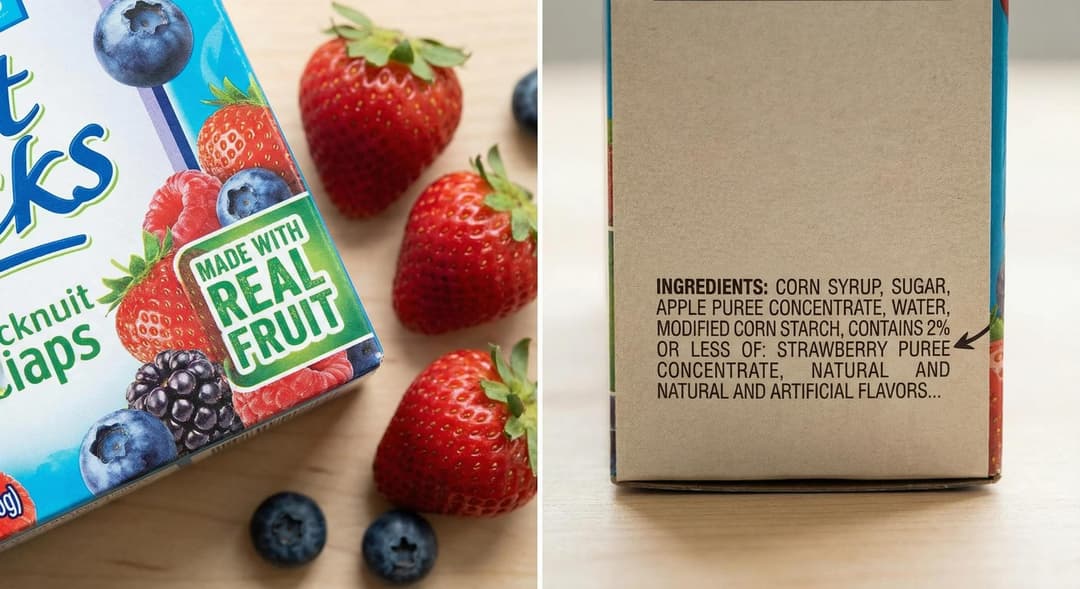
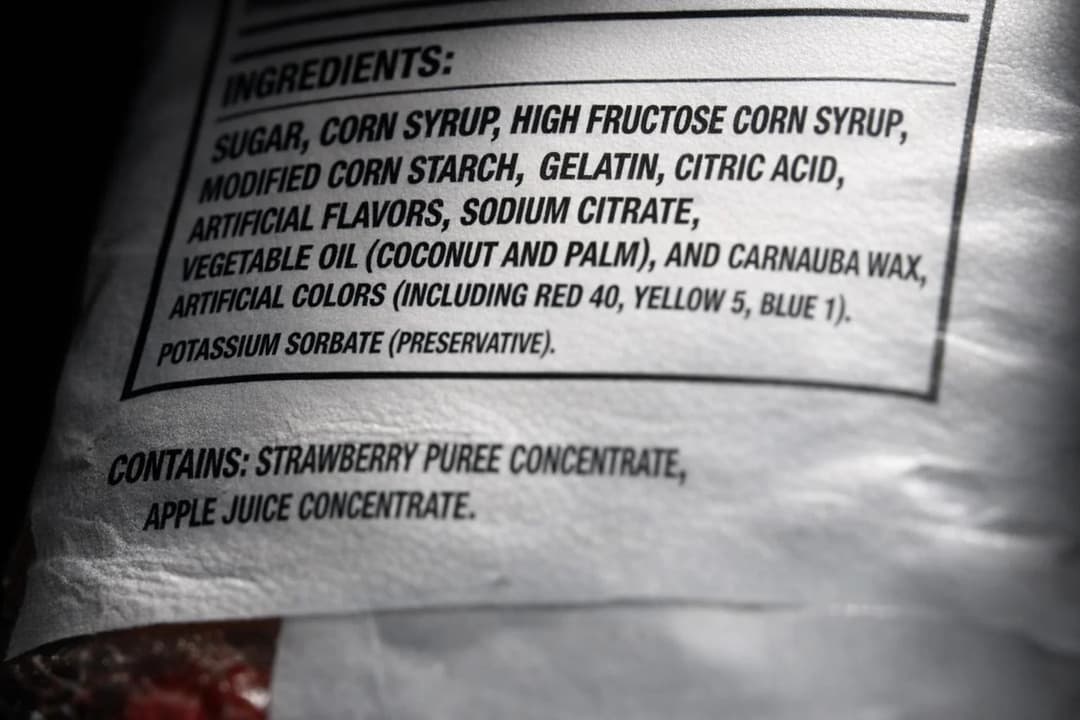
Let’s take Welch’s Fruit Snacks as a prime example. Flip the package over and what do you find? The first ingredients listed are corn syrup and sugar. Actual fruit puree doesn’t even make an appearance until several ingredients down the line. In fact, a 2015 lawsuit against Welch’s revealed that some of their products contain only 1% fruit [source: Reuters].
Kellogg’s is no better. Their Nutri-Grain bars, which similarly claim to be “made with real fruit,” contain less than 2% of actual fruit ingredients. Instead, the bars are loaded with high fructose corn syrup and artificial flavors. Are you fuming yet?
You don’t have to take my word for it. A 2014 study published in the journal Nutrition & Food Science analyzed products claiming to be made with real fruit and found that most contained less than 10% fruit content. The majority were under 2% [source: Nutrition & Food Science].
Legal actions have been taken against misleading claims, too. In 2017, a class-action lawsuit targeted Kellogg’s for their “made with real fruit” claims on Pop-Tarts, highlighting that these pastries contain more sugar and dextrose than actual fruit [source: Food Navigator].
Nutritionists like Dr. Marion Nestle have been vocal about this deceitful labeling. She insists that the ambiguity in food labeling is “intentionally misleading” and urges consumers to scrutinize ingredient lists [source: Personal Communication].
1. That’s it. Fruit Bars Made with literally just fruit. No added sugar, no preservatives. You get 100% of what you think you're buying.
2. KIND Bars While not exclusively fruit-based, KIND Bars offer transparency in ingredients and use whole nuts, fruits, and grains. Their Mango Apple Chia Bar has real mango puree and apple purees listed as primary ingredients.
3. Pure Organic Fruit Bars These bars use organic fruit purees and juices, with a focus on keeping the ingredient list short and recognizable.
4. Pressed by KIND This line of bars uses whole fruits and vegetables, ensuring the fruit content is not just a marketing ploy but a genuine component.
Olive can be a powerful tool in your quest for cleaner products. With its extensive database of ingredient lists and transparency ratings, you can easily avoid the trap of misleading labels.
> Pro Tip: Use Olive to scan potential purchases. It’s like having a nutritionist friend in your pocket, guiding you towards genuinely healthy choices.
In conclusion, the phrase “made with real fruit” is often a wolf in sheep’s clothing. Don’t let savvy marketing dupe you into unhealthy choices. With a little scrutiny and the right tools, you can ensure that your snacks are as wholesome as they claim to be. Keep your eyes open and your ingredient lists scrutinized. The power of informed choice is yours – seize it.
Instant Barcode Scane
Allergen Detection
Clear Ingredient Insights
Get Personalized Suggestions
 Alexander Klein
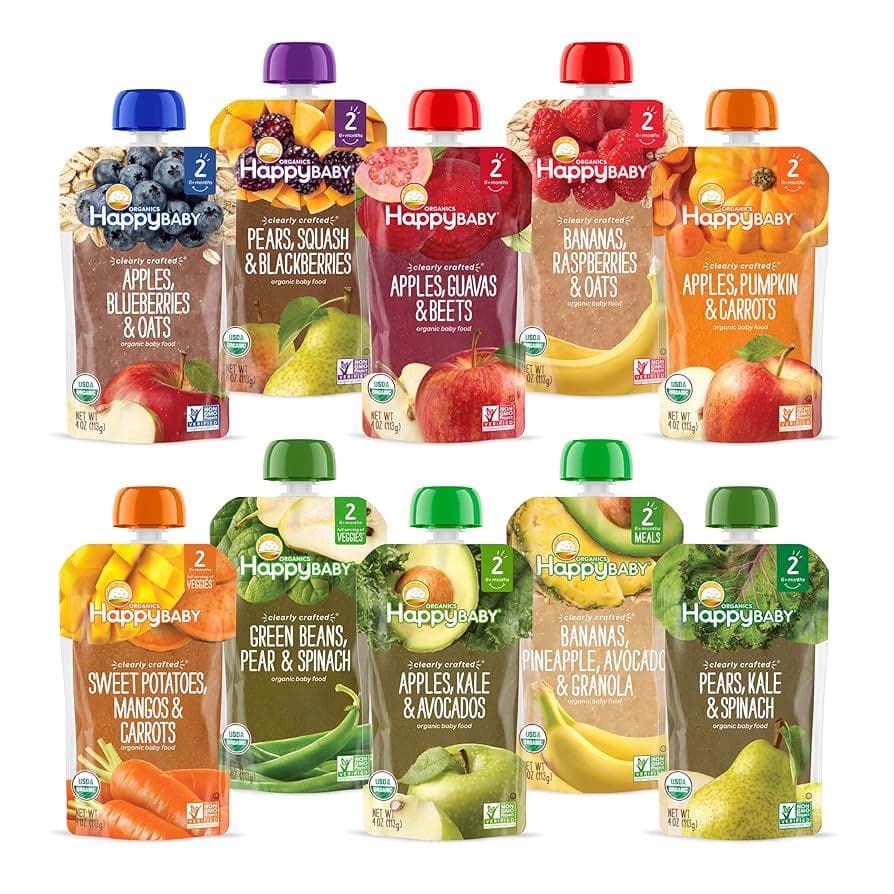
Discover everything you need to know about Happy Baby Pouches: A Parent's Guide to ensuring safe and nutritious choices amidst heavy metals concerns.
Sep 25, 2025 Alexander Klein
Is sesame oil a seed oil? Yes — but not all seed oils are harmful. Learn why sesame oil is different from the “Hateful Eight” and discover the best sesame oil substitutes like oliv...
Sep 25, 2025Always.
We never monetize through brand deals, affiliate links, or ads — so you can trust our recommendations are always aligned with our users.
Effortless food scanning
Peace of mind for parents
Healthy product recommendations