Is Sesame Oil a Seed Oil? Health Benefits & the Best Substitutes
Is sesame oil a seed oil? Yes — but not all seed oils are harmful. Learn why sesame oil is different from the “Hateful Eight” and discover the best sesame oil substitutes like olive oil, avocado oil, and coconut oil.
Sign up for Olive Written by Alexander KleinPublished on September 25, 2025
Know what's really in your cart.
Sign up for OliveIs Sesame Oil a Seed Oil?
Yes — sesame oil is a seed oil because it’s made from pressed sesame seeds. But unlike industrial seed oils such as soybean or canola, sesame oil has been used in traditional cuisines for thousands of years and contains beneficial antioxidants like sesamol and sesamin.
This distinction is important: not all seed oils are created equal.
The “Hateful Eight” Seed Oils to Avoid
When people talk about seed oils being harmful, they’re usually referring to what Dr. Cate Shanahan calls the “Hateful Eight”:
- Canola oil
- Corn oil
- Cottonseed oil
- Soybean oil
- Sunflower oil
- Safflower oil
- Grapeseed oil
- Rice bran oil
These oils are heavily refined, chemically processed, high in omega-6 fatty acids, and prone to oxidation — making them pro-inflammatory and harmful when consumed regularly.
Scan Any Grocery Barcode
Scores Brands Can't Buy
Backed by Lab Testing
Cleaner Swaps in the Aisle
Healthy Seed Oils (Yes, They Exist)
Not all seed oils are in the same category as the Hateful Eight. Some seed oils are minimally processed, rich in antioxidants, and can provide health benefits when used in moderation:
- Sesame oil – traditional, antioxidant-rich, flavorful.
- Pumpkin seed oil – nutrient-dense, containing magnesium, zinc, and antioxidants.
- Flaxseed oil – high in plant-based omega-3s (ALA), though best used cold (not for cooking).
These oils aren’t linked to the same long-term inflammation concerns as the Hateful Eight.
Health Benefits of Sesame Oil
- Antioxidant-rich: Compounds like sesamol and sesamin fight oxidative stress.
- Heart-supportive: Contains monounsaturated and polyunsaturated fats that can support cardiovascular health.
- Flavor enhancer: Toasted sesame oil, in particular, adds depth and nutty richness to dishes.
Used in moderation, sesame oil can be a flavorful and nourishing part of a healthy diet.
Best Substitutes for Sesame Oil
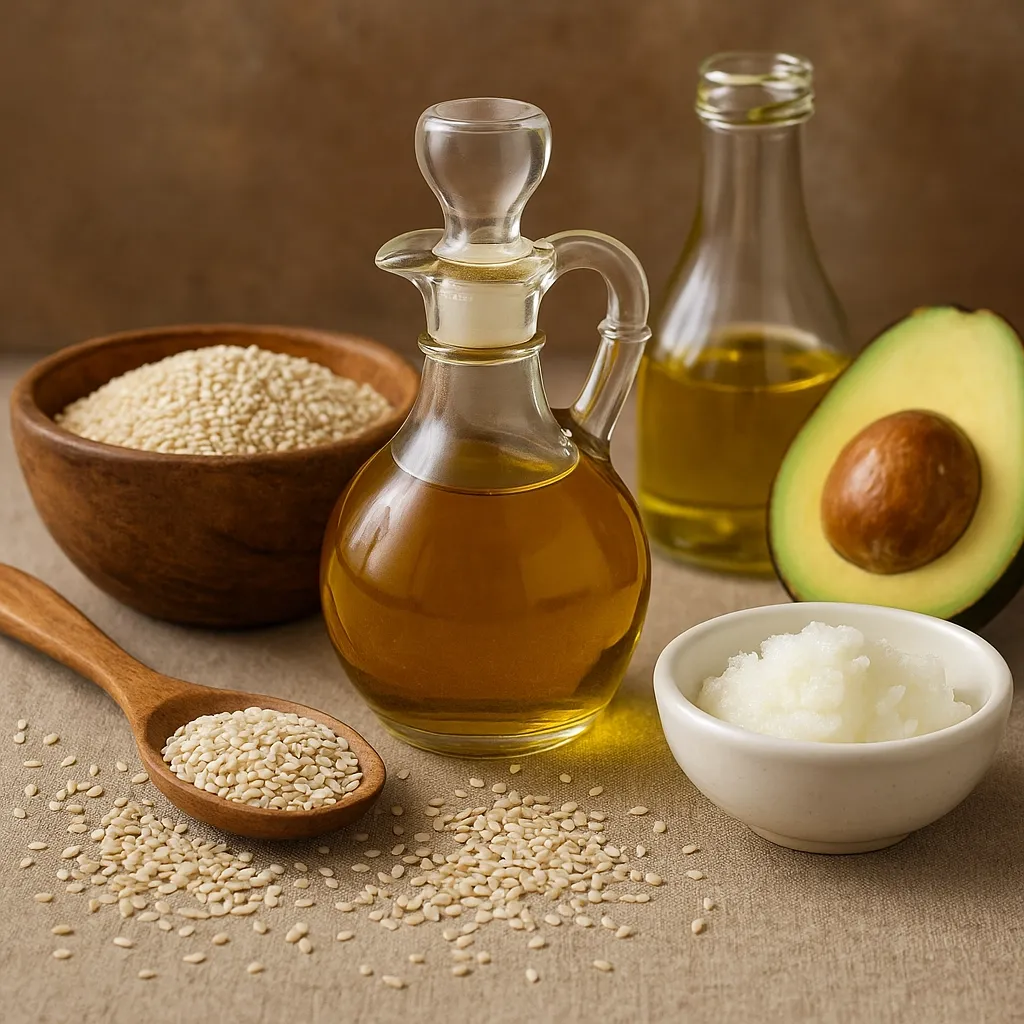
If you’re avoiding seed oils entirely, or simply need a substitute for cooking, here are the best alternatives:
Olive Oil
- Extra virgin olive oil is rich in monounsaturated fats and antioxidants.
- Works best in dressings, marinades, and low-to-medium heat cooking.
Avocado Oil
- Neutral taste with a high smoke point, perfect for stir-fries and sautéing.
- Provides heart-healthy fats similar to olive oil.
Coconut Oil
- Stable for cooking and frying.
- Distinct flavor that works well in curries, baking, and tropical dishes.
Beef Tallow
- Traditional cooking fat with a very high smoke point.
- Great for frying or roasting when you want a neutral but savory fat.
Duck Fat
- Adds rich flavor while being stable for cooking.
- Works well for roasting vegetables, frying potatoes, or searing meats.
Conclusion: Where Sesame Oil Fits In
So, is sesame oil a seed oil? Yes. But unlike the “Hateful Eight” seed oils, sesame oil belongs to a healthier category of traditional seed oils alongside pumpkin seed and flaxseed oil.
It can be enjoyed in moderation, especially for flavor and finishing touches, while being mindful of balance in your overall diet.
If you’d rather avoid seed oils entirely, you can substitute sesame oil with olive oil, avocado oil, coconut oil, beef tallow, or duck fat — each offering unique benefits and cooking uses.
👉 Want to check whether your oils, sauces, or packaged foods contain harmful seed oils? Download Olive, the holistic food scanner app, to scan products and instantly see whether they’re clean or contain hidden seed oils.
Scan Any Grocery Barcode
Scores Brands Can't Buy
Backed by Lab Testing
Cleaner Swaps in the Aisle
Recommended for you
 Alexander Klein
Pore-Clogging Ingredients Checker: Strongest Options & Key Considerations
Learn how pore-clogging ingredient checkers function and how the leading platforms compare across scanning and search capability, methodology, and reliability.
 Alexander Klein
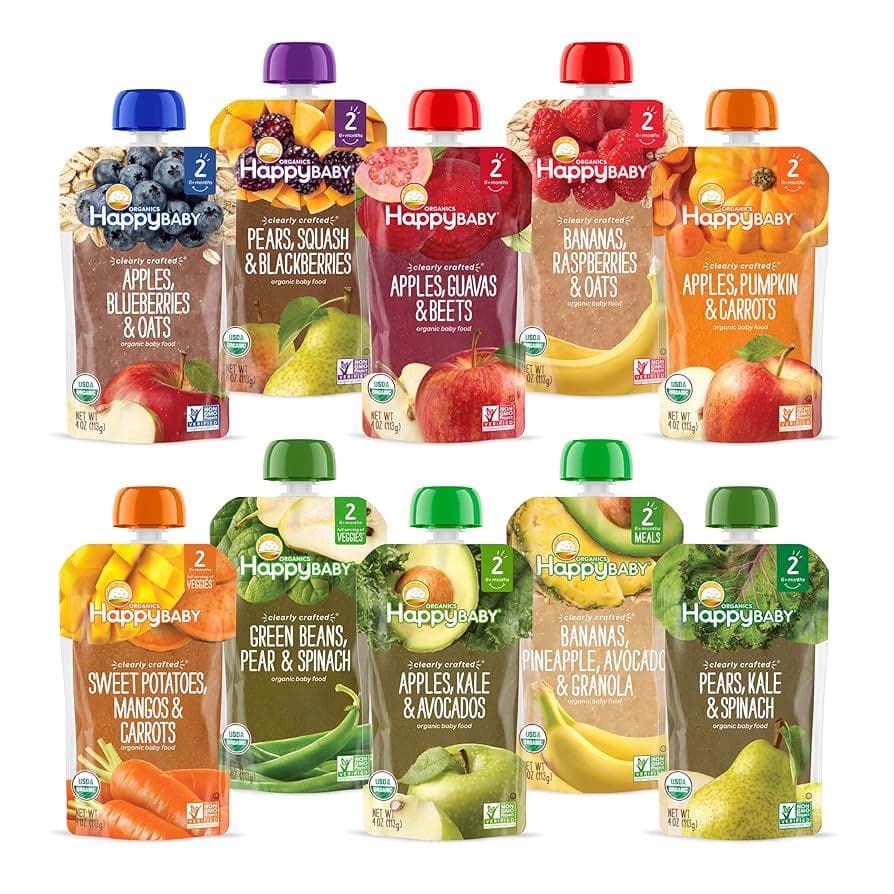
Happy Baby Pouches: Safe and Nutritious? | Parent's Guide
Discover everything you need to know about Happy Baby Pouches: A Parent's Guide to ensuring safe and nutritious choices amidst heavy metals concerns.
100% Independent.
Always.
We never monetize through brand deals, affiliate links, or ads — so you can trust our recommendations are always aligned with our users.
Frequently Asked Questions
What is the Olive app and how does it work?
Olive is a holistic health companion built to help you live cleaner and feel better. Scan a barcode and Olive shows you exactly what is in your food, your personal care products, and the things you bring into your home, then points you to a clean swap that actually makes a difference.
Inside the app you also get:
- Health coaching
- FDA recall alerts
- Prop 65-aligned baby food product lookups
- Proprietary lab testing data on your favorite products
- Video-assisted kitchen detox walkthroughs
- Maps of healthy restaurants and farmers’ markets near you
- Symptom tracking and logging
- Peptide and supplement dosage tracking
How does the Olive food and cosmetic ingredient scanner work?
You scan a product. Olive scores it from 0 to 100 (higher is cleaner), explains in plain language why it scored that way, flags the harmful stuff like seed oils, additives, hidden sugars, contaminants, and endocrine disruptors, and points you to a cleaner swap.
From there, Olive helps you actually change: a 28-day kitchen detox to start, habit building, coaching, and doctor-supervised peptide protocols.
What starts with one scan can end in more energy, a clear head, and a shopping cart you finally trust.
Which products can I scan: food, cosmetics, or bottled water?
All three. Scan food and drinks for the 0 to 100 score, with a breakdown of toxins, additives, processing, seed oils, and sugar.
Scan skincare, makeup, sunscreen, shampoo, and other personal care products and Olive rates every ingredient green, yellow, or red with a plain-language reason for the rating.
Scan bottled water and Olive checks it for contaminants such as fluoride, heavy metals, and microplastics.
How does Olive ensure the accuracy of its scan results?
We do our own independent lab testing for heavy metals (lead, cadmium, mercury, and arsenic) across roughly 400 products so far. That is more testing than most companies do, including Consumer Reports.
Our cosmetic ingredient rating system was built with the head of a chemical toxin working group, so every ingredient carries a documented reason behind its rating.
And Olive is independent. No ads, no affiliates, and we do not take money to change scores. Your subscription is what funds the testing, so Olive answers to you. All of it runs on a database of 10M+ products.
Can Olive be customized to my dietary needs?
Yes. Set your goals, your diet, and your allergies, and every score and swap adjusts to you. Keto, paleo, heart-healthy, Mediterranean, halal, kosher, gluten-free, and dairy-free are all covered.
If you react to gluten, dairy, nuts, soy, or anything else, Olive flags it before it reaches your cart.
Is Olive available for both Android and iOS?
Yes. Olive is live on both. Download Olive on the Apple App Store or get it on Google Play.
Is my data secure when I use Olive?
Yes. Your privacy comes first. Olive protects your personal information with strong security protocols, and your scans, your pantry, and your health details stay yours. You can read the details in our privacy policy.
How do I get started with Olive?
Start with the free quiz. It takes about five minutes, asks about your goals, your symptoms, and what is already in your kitchen, then hands you a personalized plan. Try Olive free.
Start with one scan.
Scan your food, personal care and home products
Independent scores backed by real lab testing
Cleaner swaps for you, and everyone you shop for