Home/Blogs/What the New U.S. Food Pyramid Means for Your Plate in 2026
Health & WellnessHealthy Moms
What the New U.S. Food Pyramid Means for Your Plate in 2026
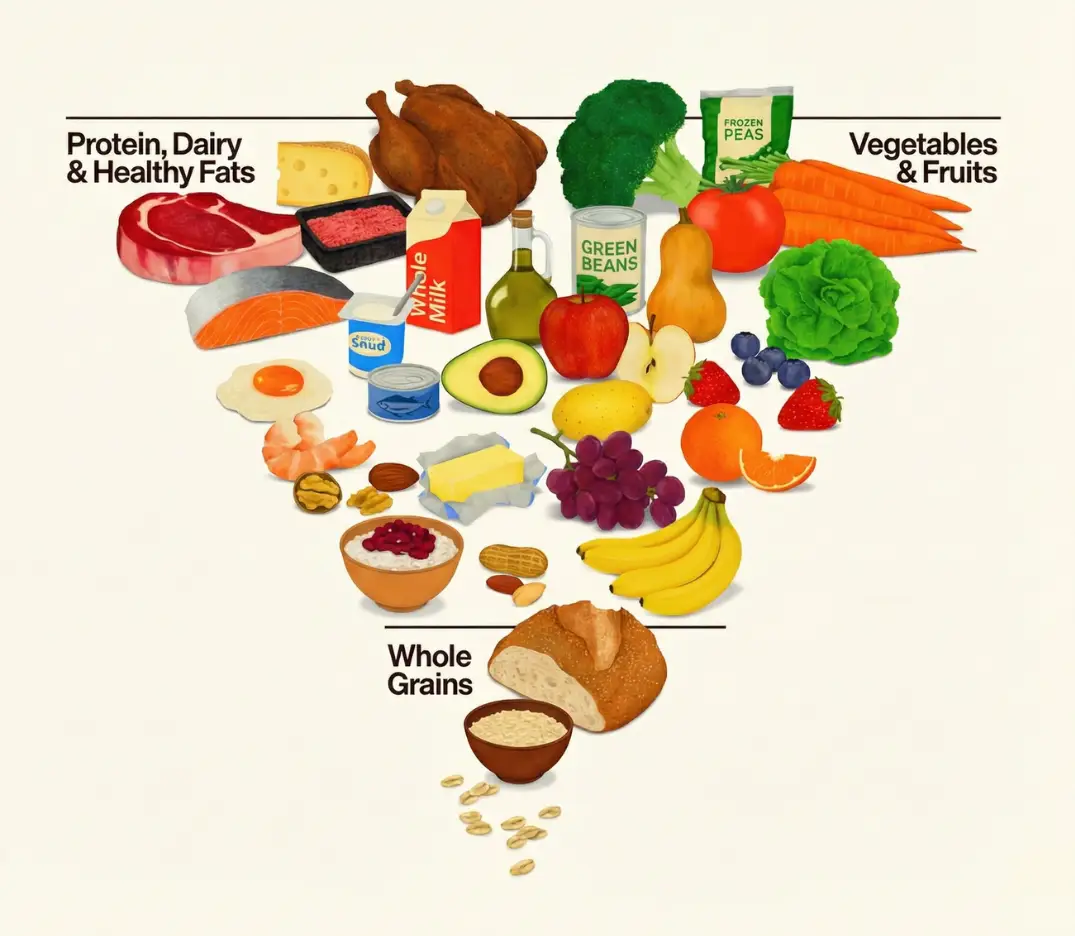
In early January 2026, the U.S. government released the Dietary Guidelines for Americans, 2025–2030, marking a major shift in federal nutrition advice and bringing back a familiar visual: a new food pyramid. Rather than pushing highly processed, grain-heavy plates of the past, the updated pyramid puts “real food” — whole, nutrient-dense foods — at the center of healthy eating.
In early January 2026, the U.S. government released the Dietary Guidelines for Americans, 2025–2030, marking a major shift in federal nutrition advice and bringing back a familiar visual: a new food pyramid. Rather than pushing highly processed, grain-heavy plates of the past, the updated pyramid puts “real food” — whole, nutrient-dense foods — at the center of healthy eating.
This article breaks down the key features of the new US food pyramid, shows how it aligns with better health outcomes, and offers simple ways you can apply it in everyday life.
1. What Is the New U.S. Food Pyramid?
The “new food pyramid” reflects changes in the most recent Dietary Guidelines for Americans and replaces decades of nutrition policy that often emphasized processed foods and refined grains. Instead, it prioritizes whole, nutrient-dense foods as the foundation of a healthy diet.
Under this updated framework:
Protein, dairy, and healthy fats (from whole foods) are a central focus.
Vegetables and fruits are core food groups to be eaten in abundance.
Whole grains remain part of the diet, but refined carbohydrates and highly processed foods are discouraged.
Added sugars and artificial additives are strongly limited or avoided.
This shift is part of a broader effort to tackle chronic disease in the U.S., where diet-related conditions like diabetes and obesity affect a large portion of the population.
2. Eat Real Food: Protein, Dairy & Healthy Fats Come First
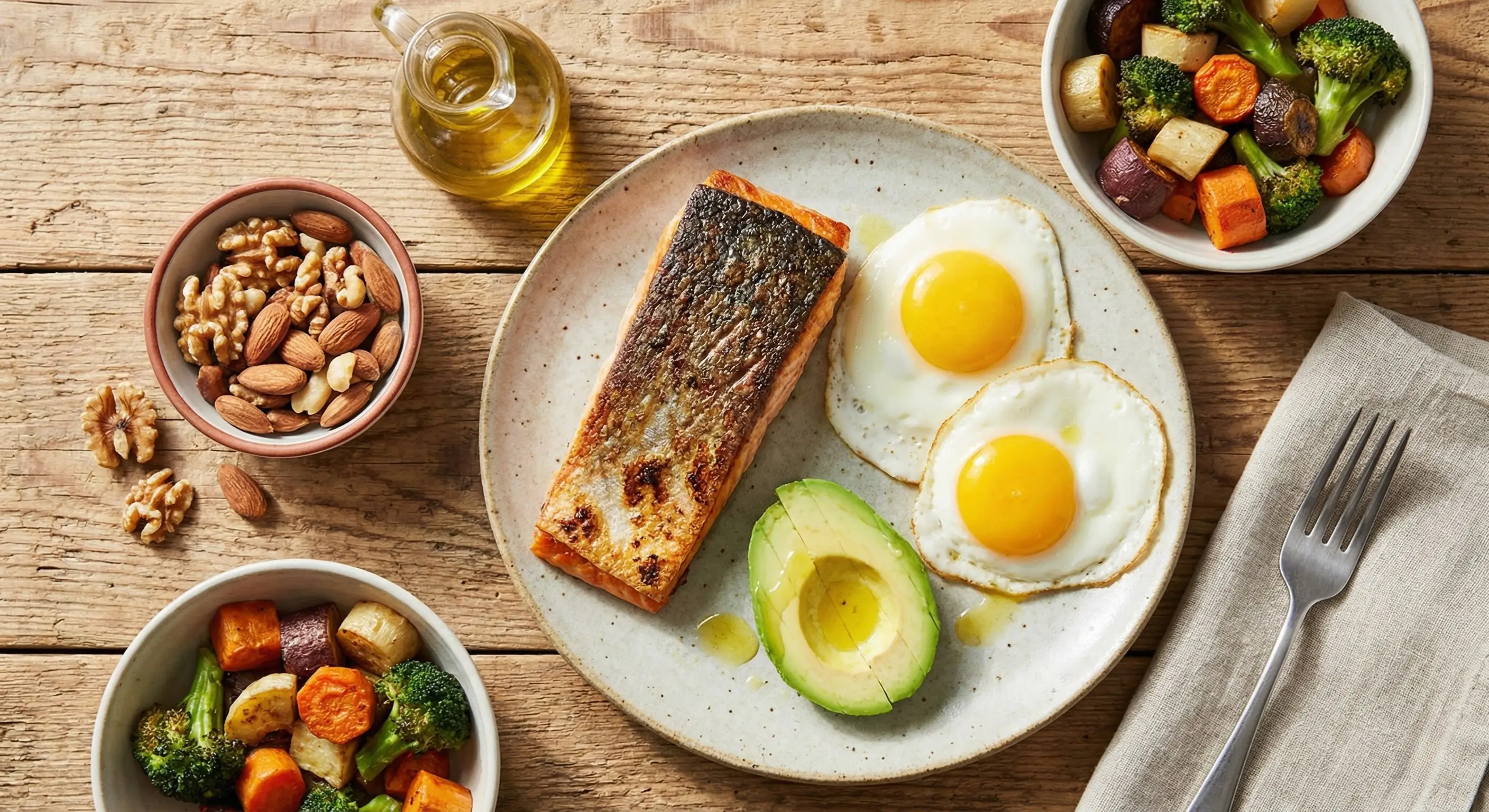
One of the biggest changes in the new food pyramid is the emphasis on real protein and healthy fats. Unlike earlier federal guidance that downplayed certain fats, the 2025–2030 Dietary Guidelines recommend protein from both animal and plant sources — including eggs, seafood, meats, nuts, seeds, legumes, and full-fat dairy — paired with healthy fats from whole sources like olive oil and avocados.
Why this matters:
Protein supports muscle repair, hormone balance, and metabolic function.
Healthy fats help with nutrient absorption and long-term metabolic health.
Both nutrients make meals more satiating and balanced.
The guidelines even call for a protein target — approximately 1.2 to 1.6 grams per kilogram of body weight daily — a notable change from previous guidance.
3. Vegetables & Fruits: Nutrient Powerhouses
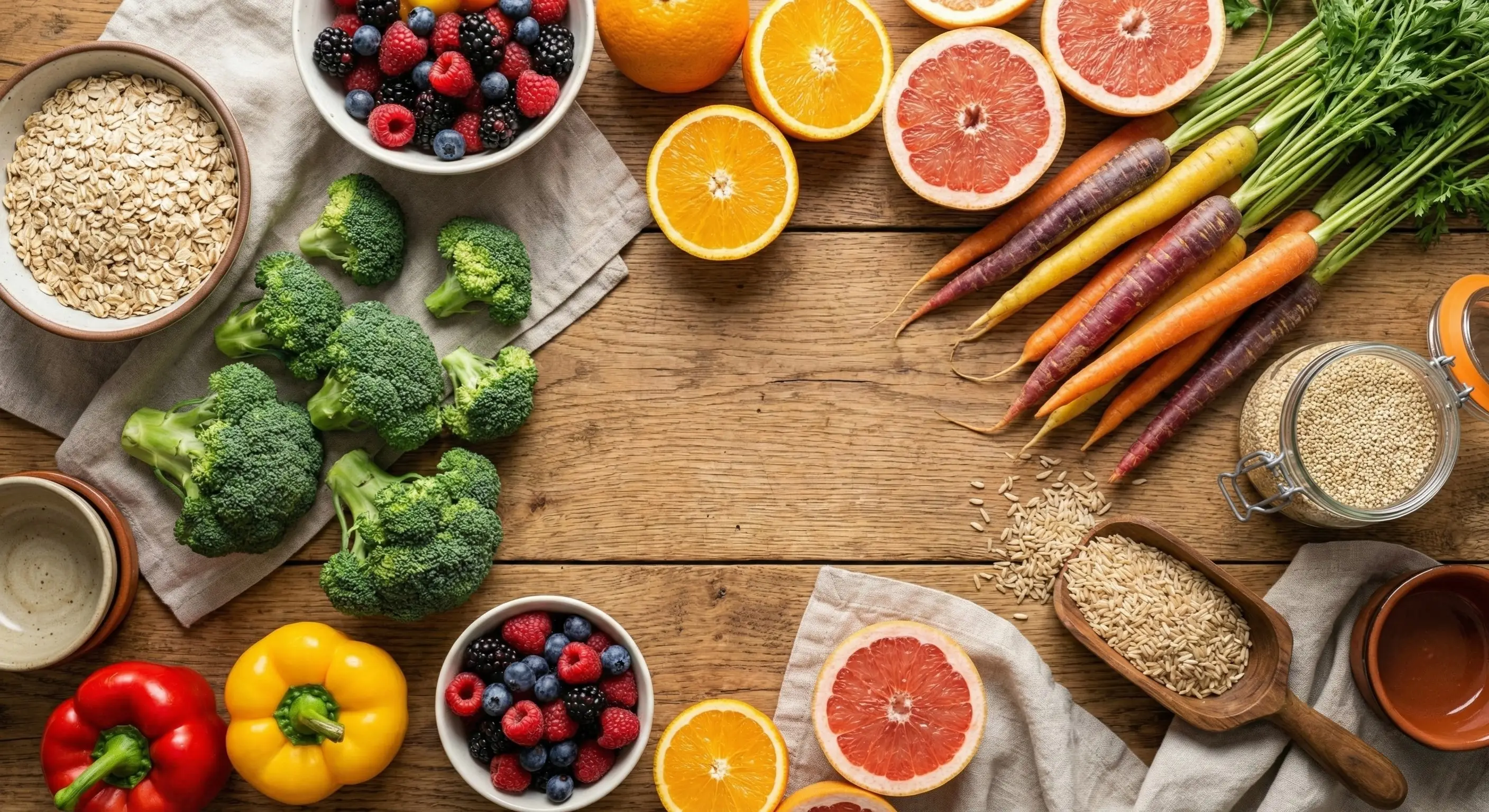
Vegetables and fruits remain essential in the new food pyramid. The updated guidance emphasizes eating a wide varietyof colorful, whole vegetables and fruits every day, ideally in fresh or minimally processed forms.
Reasons this is important:
Vegetables and fruits supply fiber, vitamins, and antioxidants that support gut health and lower inflammation.
Eating a diversity of plant foods encourages better eating habits overall.
Most people still don’t get enough produce daily, so this is a major message for improving public health.
4. Whole Grains but Not Refined Carbs
The new pyramid continues to include whole grains — such as oats, brown rice, and quinoa — but it explicitly limitsrefined carbohydrates like white bread, sugary cereals, and many packaged snacks.
Whole grains deliver:
Dietary fiber that supports digestion and steady energy.
B vitamins and minerals often stripped from refined alternatives.
Refined grains and sugars have been linked to weight gain and chronic disease when consumed in excess, which this updated guidance aims to counter.
5. Avoiding Highly Processed Foods and Added Sugars
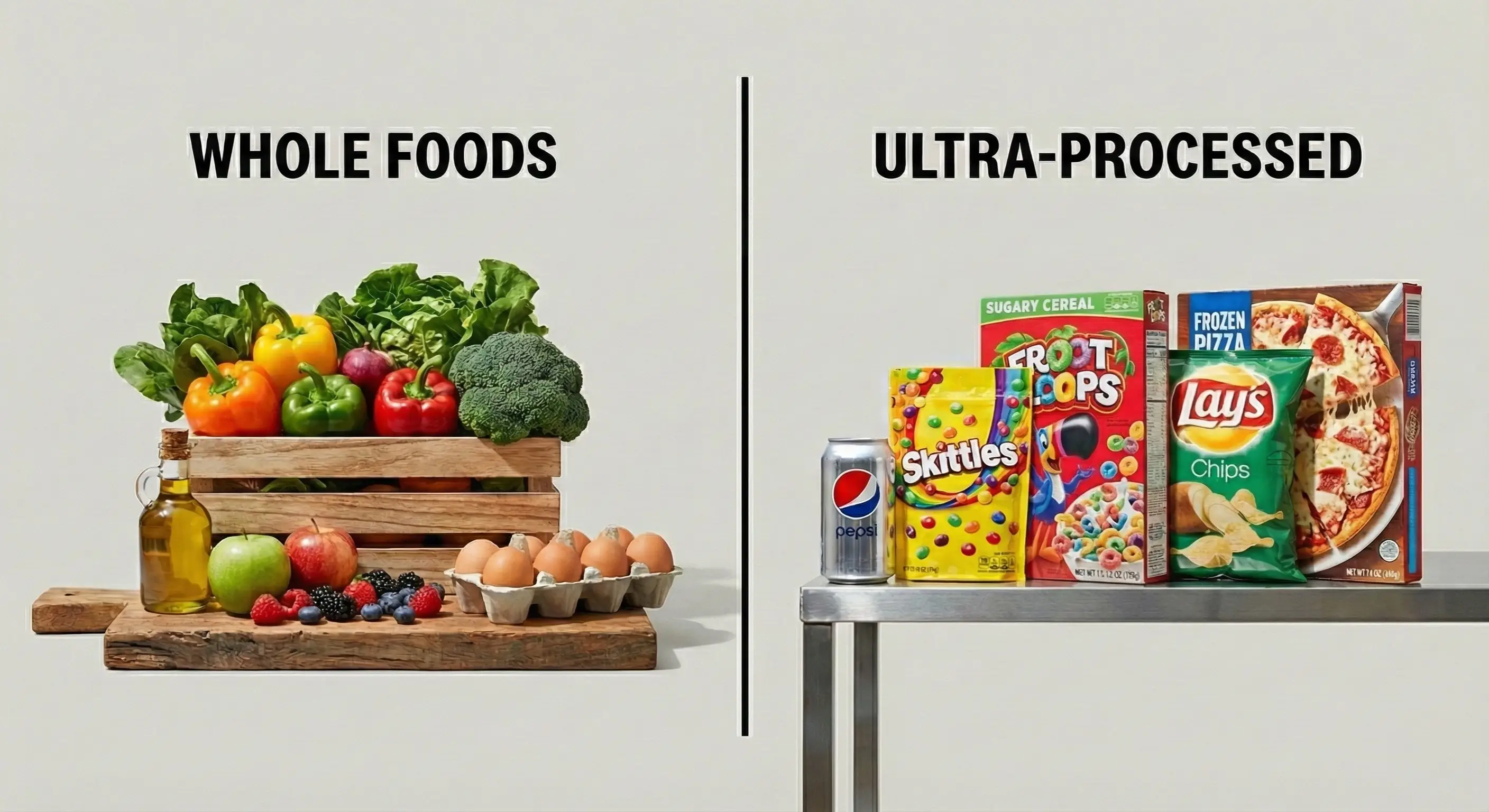
A defining feature of the new Dietary Guidelines is the explicit stance against highly processed foods — especially those high in added sugars, salt, and unhealthy fats.
Key updates include:
Added sugars should ideally be avoided altogether, with no amount considered part of a healthy diet.
Highly processed foods like chips, sweets, and sugary beverages are discouraged.
Alcohol guidance is simplified to suggest consume less for better health without specific daily limits.
This represents a major public health push toward whole, less processed meals.
6. How the New Pyramid Fits Your Life in 2026
While the graphic returns to a pyramid structure, the key message isn’t about rigid portions or outdated rules — it’s about eating real, recognizable foods and making choices that support long-term health.
Practical takeaways:
Build meals around protein, vegetables, and healthy fats.
Include whole grains but avoid refined and packaged carbohydrates.
Keep added sugars and artificial ingredients to a minimum.
Stay hydrated with water and unsweetened beverages.
This balanced, food-first approach aligns with broader scientific evidence showing that whole, minimally processed diets support better health outcomes across populations.
We never monetize through brand deals, affiliate links, or ads — so you can trust our recommendations are always aligned with our users.
Frequently Asked Questions
Olive is a holistic health companion built to help you live cleaner and feel better. Scan a barcode and Olive shows you exactly what is in your food, your personal care products, and the things you bring into your home, then points you to a clean swap that actually makes a difference.
Inside the app you also get:
Health coaching
FDA recall alerts
Prop 65-aligned baby food product lookups
Proprietary lab testing data on your favorite products
Video-assisted kitchen detox walkthroughs
Maps of healthy restaurants and farmers’ markets near you
Symptom tracking and logging
Peptide and supplement dosage tracking
You scan a product. Olive scores it from 0 to 100 (higher is cleaner), explains in plain language why it scored that way, flags the harmful stuff like seed oils, additives, hidden sugars, contaminants, and endocrine disruptors, and points you to a cleaner swap.
From there, Olive helps you actually change: a 28-day kitchen detox to start, habit building, coaching, and doctor-supervised peptide protocols.
What starts with one scan can end in more energy, a clear head, and a shopping cart you finally trust.
All three. Scan food and drinks for the 0 to 100 score, with a breakdown of toxins, additives, processing, seed oils, and sugar.
Scan skincare, makeup, sunscreen, shampoo, and other personal care products and Olive rates every ingredient green, yellow, or red with a plain-language reason for the rating.
Scan bottled water and Olive checks it for contaminants such as fluoride, heavy metals, and microplastics.
We do our own independent lab testing for heavy metals (lead, cadmium, mercury, and arsenic) across roughly 400 products so far. That is more testing than most companies do, including Consumer Reports.
Our cosmetic ingredient rating system was built with the head of a chemical toxin working group, so every ingredient carries a documented reason behind its rating.
And Olive is independent. No ads, no affiliates, and we do not take money to change scores. Your subscription is what funds the testing, so Olive answers to you. All of it runs on a database of 10M+ products.
Yes. Set your goals, your diet, and your allergies, and every score and swap adjusts to you. Keto, paleo, heart-healthy, Mediterranean, halal, kosher, gluten-free, and dairy-free are all covered.
If you react to gluten, dairy, nuts, soy, or anything else, Olive flags it before it reaches your cart.
Yes. Your privacy comes first. Olive protects your personal information with strong security protocols, and your scans, your pantry, and your health details stay yours. You can read the details in our privacy policy.
Start with the free quiz. It takes about five minutes, asks about your goals, your symptoms, and what is already in your kitchen, then hands you a personalized plan. Try Olive free.