Home/Blogs/Modern-Day Miracle in Salinas, California
FoodHealth & WellnessHealthy Moms
Modern-Day Miracle in Salinas, California
One author's journey from faith-based organic advocacy to witnessing a tangible transformation: a California schoolyard once surrounded by pesticide-laden fields now bordered by organic lettuce farms, proving that consumer choices can create lasting change.
I kept doing what I believed in, and my faith was redeemed
It is a hot, early summer day. A windmill is as still as the day. I am standing in front of the McKinnon Elementary School. As I look out over the agricultural fields surrounding the school, I realize I am witnessing a modern-day miracle. I am smiling through tears of joy and redemption. This is a story of faith and belief. I know it is a little thing in this great big world. But it is my little thing. Also, it meets my definition of a miracle. I did something on faith, and it manifested.
But first, let me tell you about the toxic nightmare that once surrounded this school. I have been reviewing updated California pesticide monitoring reports, the kind of which I used for my new book, Raising Healthy Kids: Protecting Your Children from Hidden Chemical Toxins. I am looking at the hidden chemical toxins found on a typical head of conventionally grown lettuce.
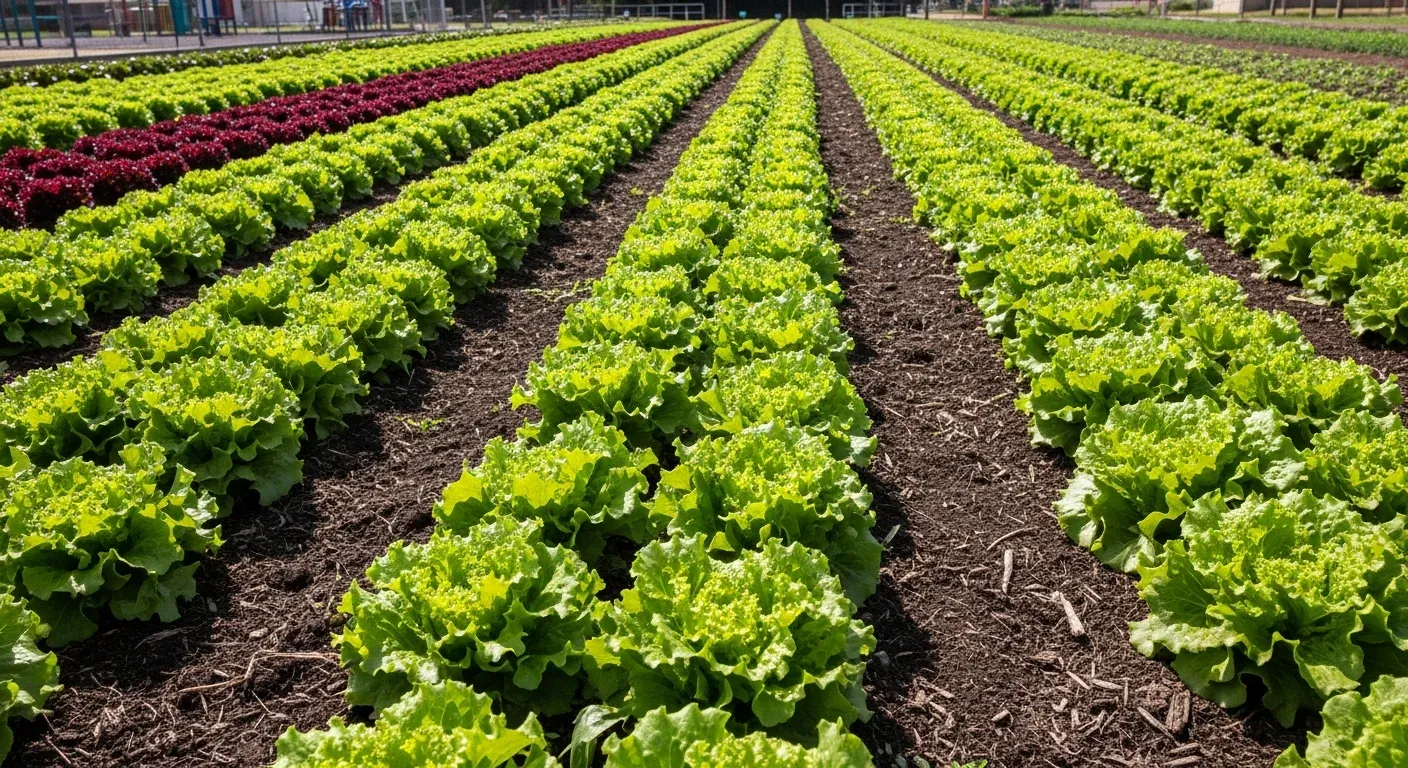
That is because Salinas, home to the Nobel Prize-winning author John Steinbeck, is a town literally carved from farm fields. This agricultural region is called America’s “salad bowl.”
The Toxic Legacy of Conventional Agriculture
Lettuce and strawberry fields have surrounded the local schools for decades, with devastating pesticides such as diazinon, chlorpyrifos, and captan applied to the crops, placing both farm workers and consumers at peril.
One of the most common pesticides detected in conventionally grown lettuce is a pyrethroid called permethrin, which is used to control home and garden pests. Toxicol In Vitro reports, “Epidemiological studies have associated the exposure to permethrin… with increased risk of leukemia and lymphoma.” Permethrin induces “breaks and fusions” that damage DNA and cause abnormally structured chromosomes. “This study presents evidence of damage in cancer genes caused by these insecticides.”
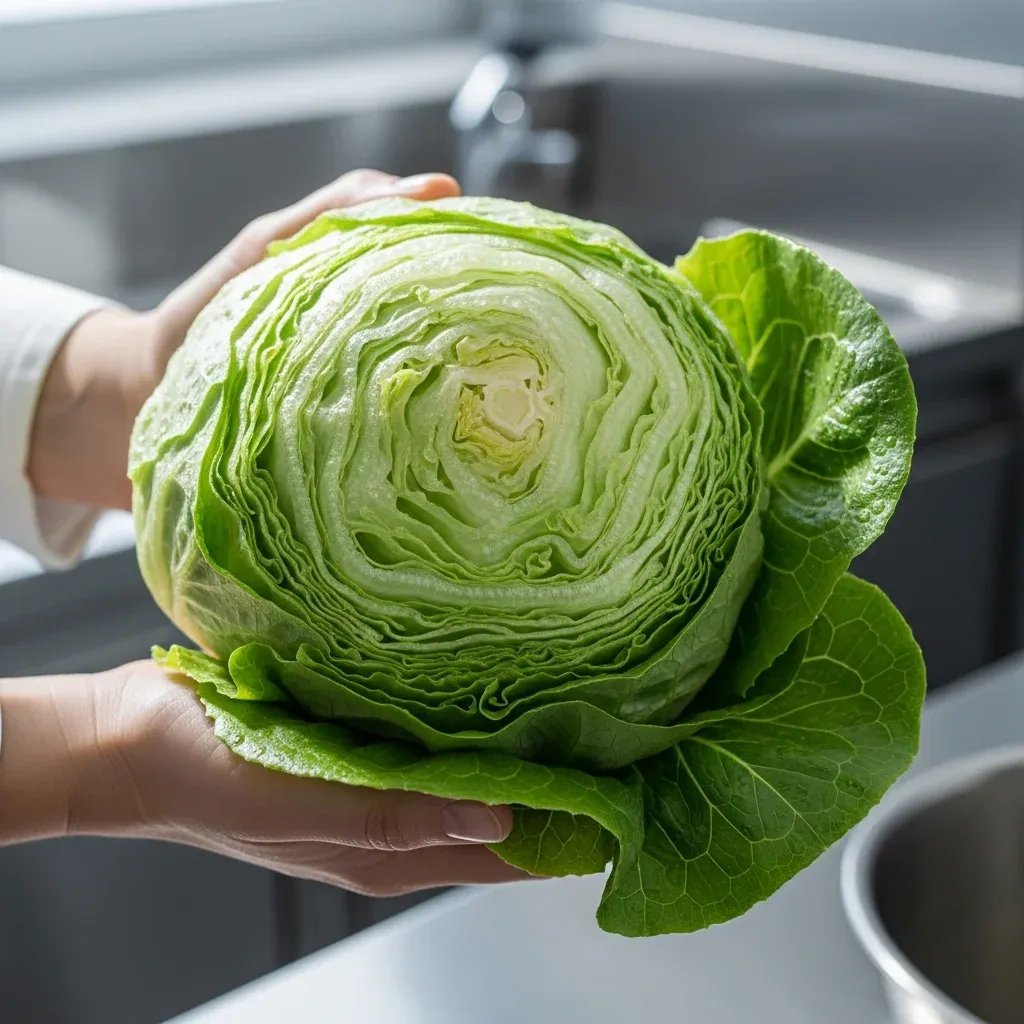
Drs. John Meeker and Dana Barr, both of whom have worked closely with the Chemical Toxin Working Group, for which I am the chief officer, report in Human Reproduction their own extensive research on these dietary poisons and evidence of reduced semen quality and increased sperm DNA damage. These findings do not stem from particularly exceptional exposures either. You may simply love munching on iceberg lettuce and receive a high dose, but it’s still within a normal range of exposure.
Myclobutanil, also often detected, worsens nonalcoholic fatty liver disease. Myclobutanil attacks the body’s defenses. Toxicities include adverse effects on the liver and kidneys and on the development of male reproductive organs. Since the liver is the first-line organ in the defense against environmental pollutants, we definitely want a healthy liver. Some researchers say that myclobutanil may play an important role in human liver disease.
Propamocarb exposure has been linked in animal studies to neurological changes and behavioral impairments, which include alterations in genes associated with autism spectrum disorders. The general scientific consensus is that exposure to various pesticides, particularly prenatally or during early development, elevates the risk of neurodevelopmental disorders like autism.
Fenamidone, a fungicide, is one of the most common hidden chemical toxins found on lettuce, according to my research for my new book. Fenamidone, measured at parts per billion, adversely affected zebrafish embryo development, leading to increased hatching time and deformities, including lung edema, yolk sac edema, tail deformities, and spinal curvature, according to researchers in Ecotoxicology and Environmental Safety.
Doctors and other health professionals routinely tell women of childbearing age that consuming leafy greens during pregnancy is an important source of folic acid, which helps prevent congenital disabilities. But if a pregnant woman is consuming conventionally grown lettuce, she is exposing her developing child to neurotoxins associated with IQ loss, cancer, and infertility.
We should be doing better. Between 2010 and 2019, 14 different types of cancer increased among people under 50, according to data from the National Cancer Institute. These indicate a disturbing rise in early-onset cancer cases (diagnosed under age 50) of about one to two percent annually. A 30 percent increase between 2019 and 2030 is projected. While cancer is more common in older adults, cases of colorectal, breast, and metabolic-related cancers are increasing in Gen X and Millennials.
The Power of Consumer Choice
Now, let me return to the McKinnon school. Some folks tell me that my preference for organic foods is a waste of money. They cost too much and are not worth it, especially during these difficult times. There were no studies to speak of when I began my organic journey because, at the time, there wasn’t even a federal organic certification. But the studies have come over time and show clear-cut nutritional and health advantages. Organic diets lead to fewer cases of cancer, diabetes, and obesity, healthier sperm, and fewer complications during pregnancy. But none of the studies showed me the kids at the McKinnon School or the teachers. Now I was seeing a much larger vision of how my shopping choices mattered.
I was making a difference in the lives of kids in a way I had never imagined. And my ripple on the surface of this huge ocean of humanity had turned into a wave of change. Growing consumer demand for organically grown lettuce has made its pricing nearly identical to that of conventionally sourced products.
On a lonely road, in the middle of agricultural fields, where school children used to be surrounded by agricultural fields sprayed with neurotoxins, this time, fields of organic lettuce surrounded it. My choices do matter. They matter to me. They matter to us.
We never monetize through brand deals, affiliate links, or ads — so you can trust our recommendations are always aligned with our users.
Frequently Asked Questions
Olive is a holistic health companion built to help you live cleaner and feel better. Scan a barcode and Olive shows you exactly what is in your food, your personal care products, and the things you bring into your home, then points you to a clean swap that actually makes a difference.
Inside the app you also get:
Health coaching
FDA recall alerts
Prop 65-aligned baby food product lookups
Proprietary lab testing data on your favorite products
Video-assisted kitchen detox walkthroughs
Maps of healthy restaurants and farmers’ markets near you
Symptom tracking and logging
Peptide and supplement dosage tracking
You scan a product. Olive scores it from 0 to 100 (higher is cleaner), explains in plain language why it scored that way, flags the harmful stuff like seed oils, additives, hidden sugars, contaminants, and endocrine disruptors, and points you to a cleaner swap.
From there, Olive helps you actually change: a 28-day kitchen detox to start, habit building, coaching, and doctor-supervised peptide protocols.
What starts with one scan can end in more energy, a clear head, and a shopping cart you finally trust.
All three. Scan food and drinks for the 0 to 100 score, with a breakdown of toxins, additives, processing, seed oils, and sugar.
Scan skincare, makeup, sunscreen, shampoo, and other personal care products and Olive rates every ingredient green, yellow, or red with a plain-language reason for the rating.
Scan bottled water and Olive checks it for contaminants such as fluoride, heavy metals, and microplastics.
We do our own independent lab testing for heavy metals (lead, cadmium, mercury, and arsenic) across roughly 400 products so far. That is more testing than most companies do, including Consumer Reports.
Our cosmetic ingredient rating system was built with the head of a chemical toxin working group, so every ingredient carries a documented reason behind its rating.
And Olive is independent. No ads, no affiliates, and we do not take money to change scores. Your subscription is what funds the testing, so Olive answers to you. All of it runs on a database of 10M+ products.
Yes. Set your goals, your diet, and your allergies, and every score and swap adjusts to you. Keto, paleo, heart-healthy, Mediterranean, halal, kosher, gluten-free, and dairy-free are all covered.
If you react to gluten, dairy, nuts, soy, or anything else, Olive flags it before it reaches your cart.
Yes. Your privacy comes first. Olive protects your personal information with strong security protocols, and your scans, your pantry, and your health details stay yours. You can read the details in our privacy policy.
Start with the free quiz. It takes about five minutes, asks about your goals, your symptoms, and what is already in your kitchen, then hands you a personalized plan. Try Olive free.