
 Alexander KleinJanuary 3, 2026
Hormone-disrupting chemicals—also known as endocrine-disrupting chemicals (EDCs)—are synthetic or natural compounds that interfere with your body’s hormone systems. They can mimic, block, or otherwise alter hormone activity, contributing to metabolic, reproductive, immune, and developmental effects even at low exposures.
While it’s nearly impossible to avoid every EDC entirely, you can significantly cut down your exposure by rethinking the daily choices you make in water, personal care products, food, your environment, and your clothing.
Water is vital to every cell in the body, but it can contain hidden chemicals such as pesticides, microplastics, heavy metals, and PFAS (a class of “forever chemicals”).
Cleaner water reduces your body’s exposure to hormone-active chemicals from both consumption and skin absorption.
Sources:

What you apply to your skin enters your bloodstream. Many lotions, shampoos, deodorants, and cosmetics include parabens, phthalates, triclosan, and unspecified fragrances linked to hormonal effects.
Skin absorbs chemicals directly, so swapping to cleaner formulas is an impactful step.
Sources:

Food isn’t just fuel—it provides biochemical signals to your body. Unfortunately, pesticides, food packaging chemicals, and processing residues are all potential endocrine disruptors.
Your food decisions influence not only nutrients but also your hormonal environment.
Sources:
Indoor air and household dust can harbor flame retardants, phthalates, PFAS, and VOCs from building materials, furniture finishes, and cleaning products.
A cleaner indoor environment reduces what your body absorbs through breathing and skin contact.
Sources:

Clothing and textiles are in constant contact with your skin. Synthetic fabrics and treatments often rely on chemicals like PFAS to add stain resistance and wrinkle-free properties.
Softer, natural fabrics reduce long-term chemical contact with your skin.
Sources:
Endocrine disruptors are pervasive—but small, intentional changes across your daily routines can cumulatively reduce your exposure in 2026. Start with one category—water, personal care, food, environment, or clothing—and build from there. Over time, these shifts can help align your lifestyle with hormonal health and long-term well-being.
Instant Barcode Scane
Allergen Detection
Clear Ingredient Insights
Get Personalized Suggestions
 Alexander Klein
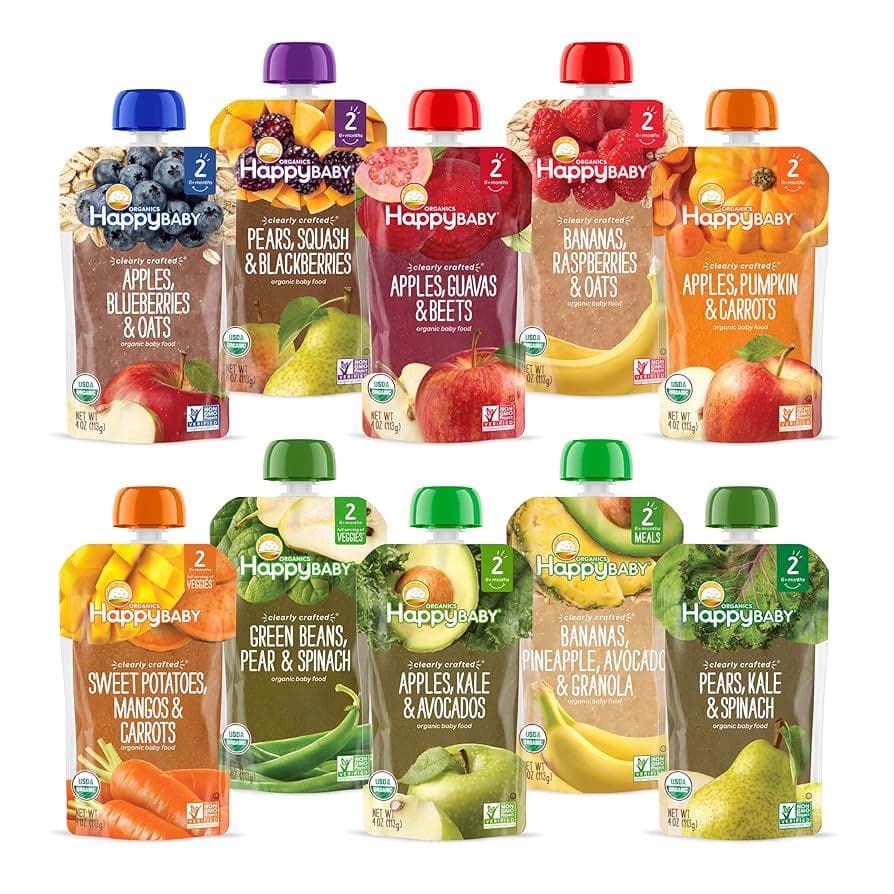
Discover everything you need to know about Happy Baby Pouches: A Parent's Guide to ensuring safe and nutritious choices amidst heavy metals concerns.
Sep 25, 2025 Alexander Klein
Is sesame oil a seed oil? Yes — but not all seed oils are harmful. Learn why sesame oil is different from the “Hateful Eight” and discover the best sesame oil substitutes like oliv...
Sep 25, 2025Always.
We never monetize through brand deals, affiliate links, or ads — so you can trust our recommendations are always aligned with our users.
Effortless food scanning
Peace of mind for parents
Healthy product recommendations