

 Alexander KleinDecember 12, 2025
Your immune system is your body’s most loyal defender. It works around the clock to keep you safe from infections and to repair damage after illness or stress. While no single food, herb, or habit is a magic bullet, research shows that everyday choices—what you eat, how you sleep, how you move, and how you manage stress—have a real impact on immune resilience and overall well-being.
This guide explains how your immune system works and shares practical, natural ways to support it every day.
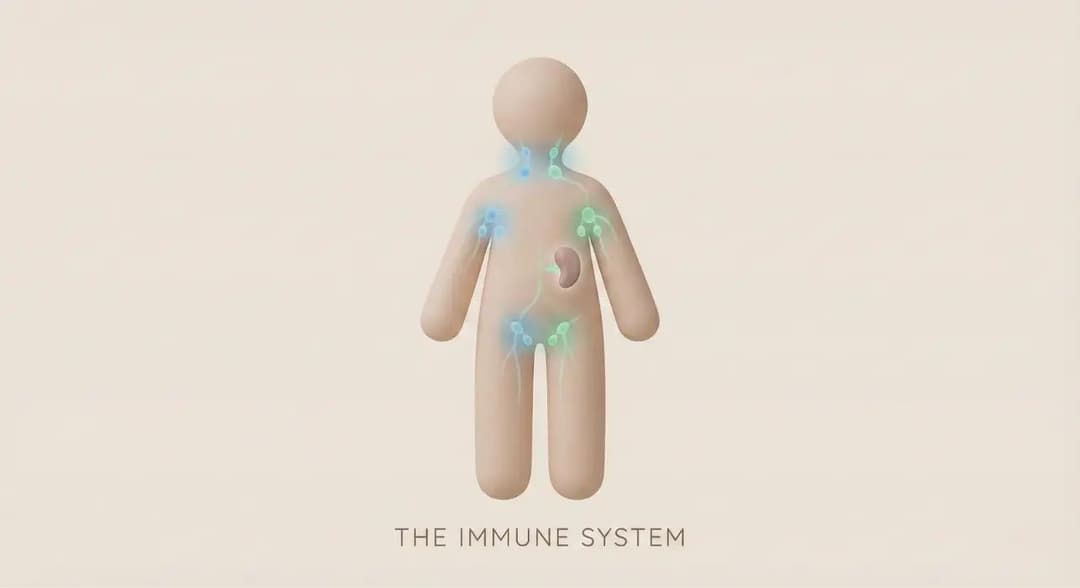
Your immune system is an intricate network of cells, tissues, and organs that protect you from harmful invaders like bacteria, viruses, and toxins. It has two main parts:
This is your body’s first line of defense—fast, broad, and always on guard. It includes physical barriers (like your skin and mucous membranes) and cells that respond quickly when something foreign enters your body. These defenders don’t need prior exposure to act.
This part is specialized and smarter. It learns from experience and builds a memory of attack patterns. If your body sees the same threat again, adaptive immunity responds faster and stronger.
Your immune system also coordinates signals between different cells, organs like the spleen and lymph nodes, and the molecules that help them communicate.
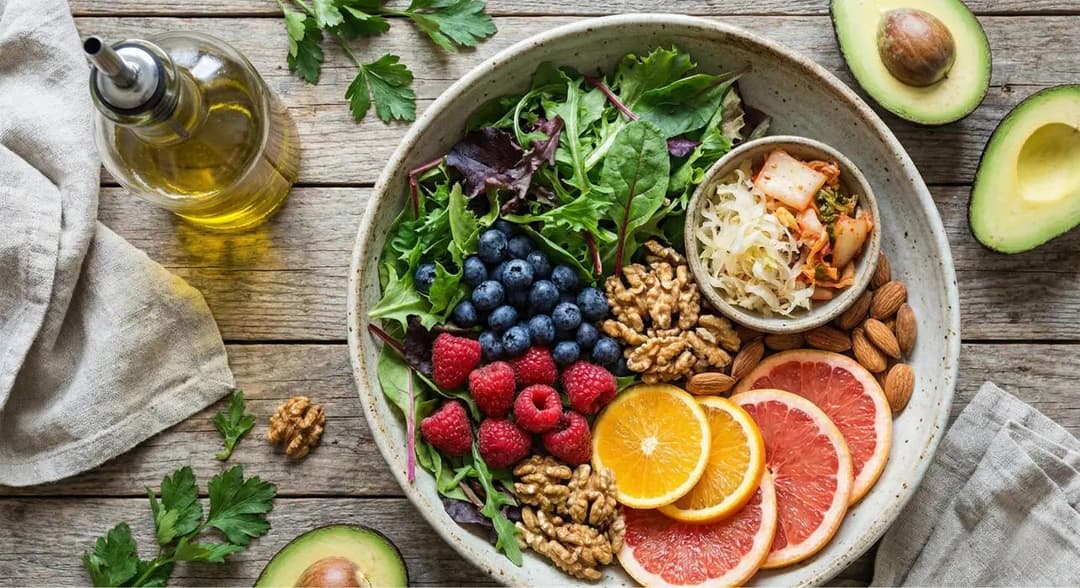
A balanced diet gives your immune system the nutrients it needs:
Tip: Think of your plate as a rainbow—bright colors typically mean more vitamins and antioxidants.
Sleep isn’t optional—it’s essential. During deep sleep, your body produces cytokines, proteins that help fight infection and inflammation. Lack of sleep is linked with reduced immune function, slower recovery after illness, and weaker vaccine responses.
Aim: 7–9 hours of restful sleep per night. Consistent sleep patterns help regulate your body’s internal clock and immune rhythms.
Regular physical activity improves circulation, lowers inflammation, and enhances immune surveillance. You don’t have to train like an athlete—brisk walking, yoga, dancing, or cycling all count.
Just remember: extremely intense exercise without proper recovery can temporarily weaken immunity. Balance is key.
Chronic stress pumps out stress hormones like cortisol, which can suppress immune function over time. Practices that help calm the nervous system—like meditation, deep breathing, gratitude journaling, and mindful pauses—have been linked to lower stress markers and better immune responses.
Even short daily breathing sessions (just a few minutes) can help.
Water is essential for every cell and plays a role in lymphatic circulation—the system that transports immune cells. Staying hydrated helps your body efficiently remove waste products and supports overall metabolic function.
When viruses circulate more widely, foundational habits are your best defense:
These habits don’t cure illness—but they support your body while it does the work.
Supplements can support immune health when diet alone isn’t enough. Common nutrients studied for immune support include:
Supplements work best when your foundation—diet, sleep, movement, stress management—is already strong. Always consult with a healthcare provider before starting new supplements.
Supporting your immune health naturally isn’t about perfection. It’s about:
✔ Eating nutrient-rich foods
✔ Sleeping well
✔ Moving regularly
✔ Managing stress
✔ Staying hydrated
✔ Practicing good hygiene
Over time, these habits strengthen your body’s defenses and help you live with more energy, clarity, and resilience.
Your immune health is not a destination—it’s a lifestyle rooted in daily choices that honor your body.
Instant Barcode Scane
Allergen Detection
Clear Ingredient Insights
Get Personalized Suggestions
 Alexander Klein
Discover everything you need to know about Happy Baby Pouches: A Parent's Guide to ensuring safe and nutritious choices amidst heavy metals concerns.
Sep 25, 2025 Alexander Klein
Is sesame oil a seed oil? Yes — but not all seed oils are harmful. Learn why sesame oil is different from the “Hateful Eight” and discover the best sesame oil substitutes like oliv...
Sep 25, 2025Always.
We never monetize through brand deals, affiliate links, or ads — so you can trust our recommendations are always aligned with our users.
Effortless food scanning
Peace of mind for parents
Healthy product recommendations