5 Holistic Wellness Trends Everyone’s Talking About in 2025
It’s the end of the year, and the wellness world has been busy. From ice-cold plunges to sound-powered stress relief—and smarter tech that helps you choose cleaner food—here are the five trends that defined 2025, what the science actually says, and how people are weaving them into everyday routines.
Sign up for Olive Written by Alexander KleinPublished on December 6, 2025
It’s the end of the year, and the wellness world has been busy. From ice-cold plunges to sound-powered stress relief—and smarter tech that helps you choose cleaner food—here are the five trends that defined 2025, what the science actually says, and how people are weaving them into everyday routines.
Live cleaner and start feeling better today.
Sign up for Olive1) Cold Plunge & Contrast Therapy (for stress, sleep, and resilience)

What it is: Short bouts of cold-water immersion (CWI)—often 1–5 minutes in 37–55°F/3–13°C water—sometimes paired with heat (sauna) in contrast cycles.
Why it’s huge: Plunges are now common at gyms, recovery studios, and even backyard setups. The promise: improved stress tolerance, mood, sleep, and immune resilience.
What the science says (in brief): A 2025 systematic review concluded that CWI may deliver time-dependent benefits for inflammation, perceived stress, sleep quality, and quality of life—while also noting the current evidence base is limited by small trials and heterogeneous methods. Another 2025 trial in women found no acceleration of muscle recovery with CWI vs. hot water after muscle-damaging exercise, underscoring that results vary by outcome and protocol.
How people use it: 1–3 plunges per week, often after training or before bed (for some, it helps sleep). Pairing with breathwork can make the cold more tolerable.
Reality check: If you’re pregnant, have cardiovascular disease, or any medical concerns, get clearance first.
2) Sauna & Heat Therapy (for heart health and recovery)
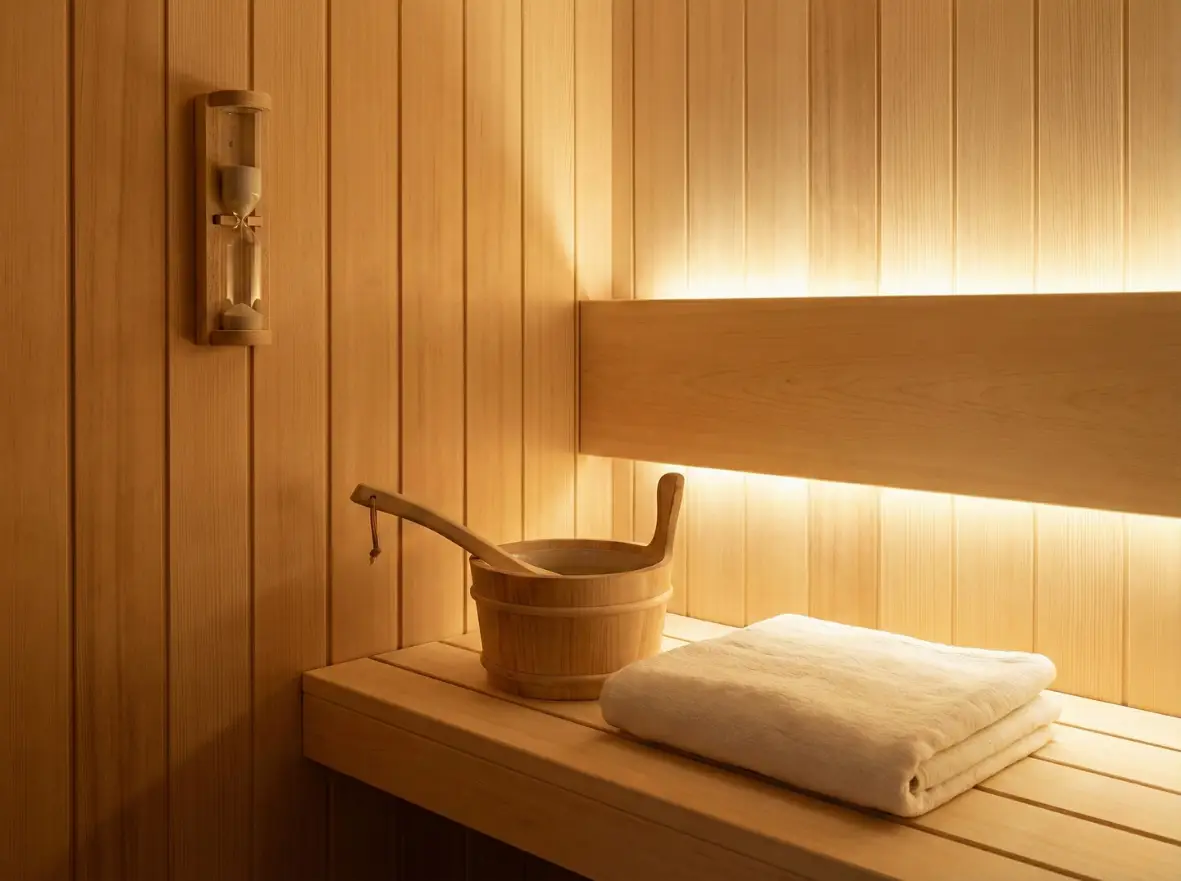
What it is: Passive heat (e.g., Finnish dry saunas) at ~80–100°C (176–212°F), typically 10–20 minutes per round.
Why it’s huge: Infrared and traditional saunas are mainstream—often bundled with cold immersion. Users report better relaxation, sleep, and recovery.
What the science says (in brief): Large Finnish cohort research links frequent sauna use with lower risks of sudden cardiac death, fatal coronary heart disease, and all-cause mortality (association, not proof of causation). Acute studies also show favorable short-term effects on blood pressure and vascular function.
How people use it: 2–4 sessions weekly, 10–20 minutes, with hydration and cooldowns between rounds.
Reality check: Start slow, hydrate, and avoid if you have conditions where heat is unsafe.
Instant Barcode Scan
Allergen Detection
Clear Ingredient Insights
Get Personalized Suggestions
3) Breathwork as “Mental Fitness” (quick, guided, and trackable)
What it is: Short, structured breathing sessions (e.g., 5 minutes of exhale-heavy “cyclic sighing,” box breathing, or paced breathing) to downshift stress.
Why it’s huge: Studios now offer breathwork classes, and wellness apps coach daily micro-sessions. It’s inexpensive, portable, and easy to stack with cold/heat.
What the science says (in brief): A Stanford-led randomized study found that 5 minutes/day of cyclic sighing improved mood and lowered respiratory rate more than mindfulness alone. Systematic reviews suggest breathing exercises can reduce anxiety and stress, with better outcomes when sessions are ≥5 minutes, guided, and repeated over weeks.
How people use it: One 5–10 minute session daily, often in the morning or before sleep. Many pair it with journaling or a short walk.
4) Sound Baths & Vibroacoustic Sessions (for nervous-system calm)
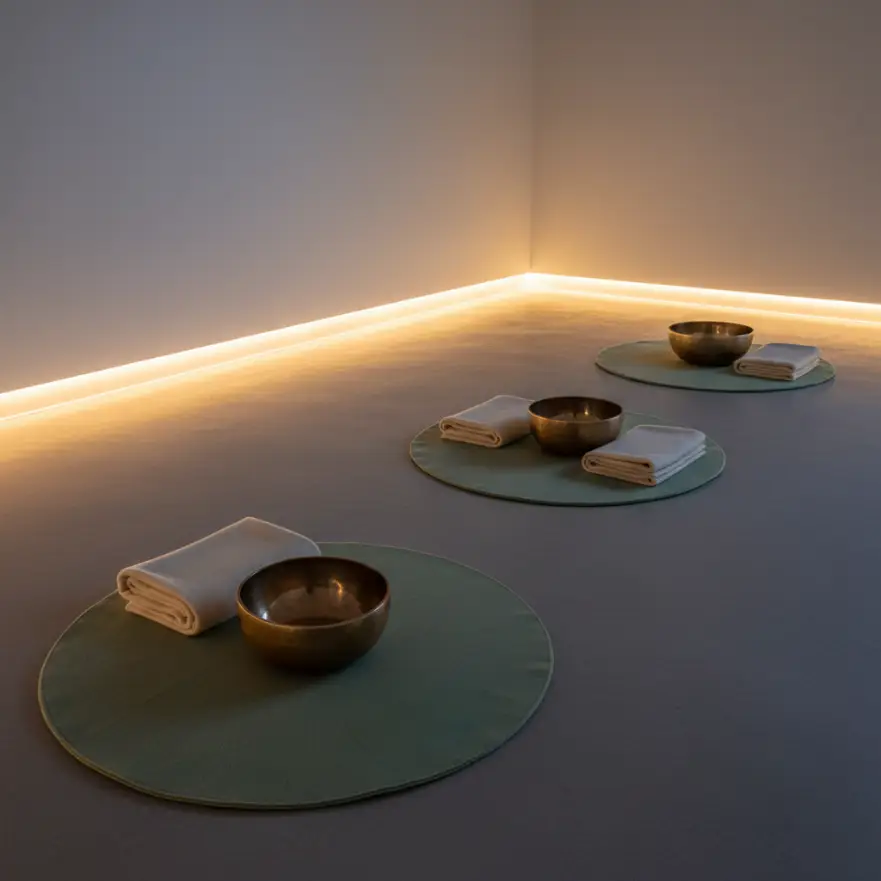
What it is: Immersive sound experiences (e.g., singing bowls, gongs, binaural soundscapes) and low-frequency vibration delivered through loungers or mats.
Why it’s huge: Studios and spas now offer sound sessions as standalone classes or post-workout add-ons. The appeal: deeper relaxation without stimulants or screens.
What the science says (in brief): A 2025 scoping review of sound interventions in adults suggests potential benefits on stress responses but highlights the need for higher-quality, standardized trials. A randomized study of low-frequency vibroacoustic therapy in students indicated parasympathetic shifts and potential stress benefits, though findings are mixed and protocols differ widely.
How people use it: 30–60 minute sessions 1–2 times per week; some integrate guided breathwork at the start.
5) Smart Label Scanning & Food Transparency (cleaner shopping, fewer toxins)
What it is: Shoppers scan barcodes or QR codes with apps to see ingredient red flags, additives, and contaminant alerts—then swap to cleaner alternatives. Apps like Olive focus on contaminants and additives; others (e.g., Yuka) emphasize nutrition/additives scoring.
Why it’s huge: Parents and wellness-minded consumers want fast, credible product intel in the aisle—especially after a string of contaminant stories (e.g., lead in baby foods and cassava products, and recent lead-leaching cookware warnings). Major retailers and brands are also adding QR codes for deeper product data.
What the science and policy landscape say (in brief): In January 2025, the FDA issued final guidance setting action levels for lead in processed foods for babies and young children (part of its Closer to Zero initiative). Independent testing (e.g., Consumer Reports’ cassava investigation and Olive's baby food investigation) continues to reveal category-specific risks, underscoring the value of transparent data and third-party lab work. Meanwhile, scanning behaviors are rising as QR codes and standardized product data mature.
How people use it: Scan products while shopping; set personal guardrails (e.g., avoid specific additives, pick lower-risk categories for kids). Many combine scanning with the next trend: functional beverages geared to gut or calm.
Bonus Market Signal: Functional & “Soft-Wellness” Beverages Keep Booming
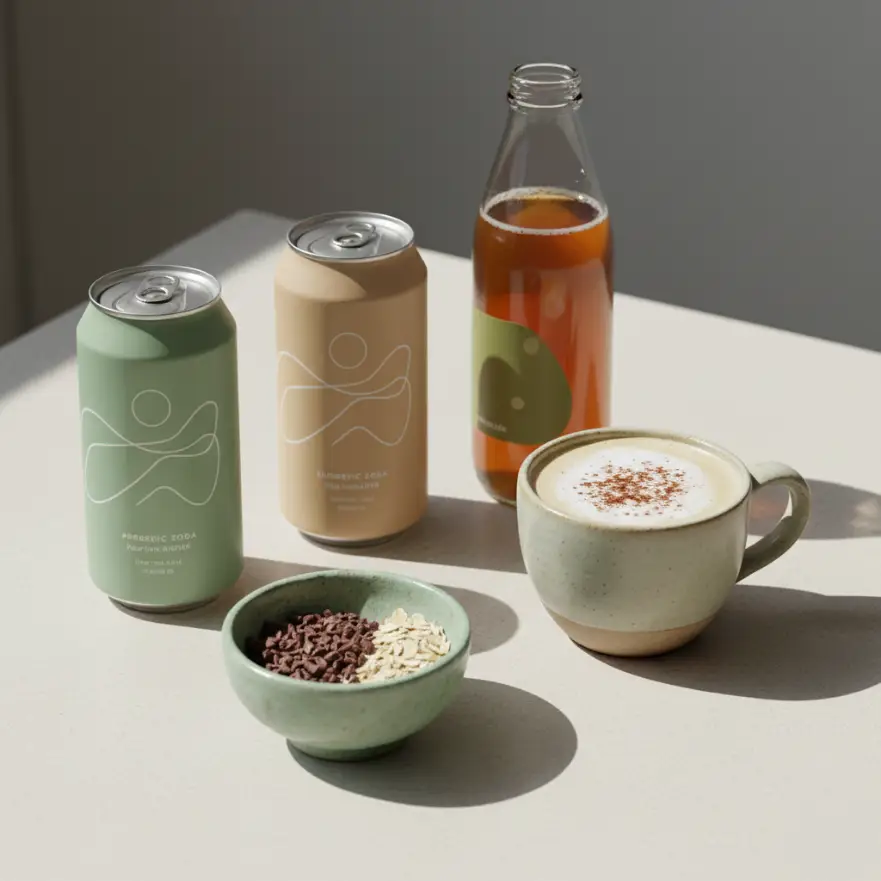
What it is: Prebiotic sodas, adaptogen blends, and botanicals designed for gut health, calm energy, or focus—now from big brands you already know.
Why it’s huge: Gut health and mood are driving purchases. In 2025, Coca-Cola launched Simply Pop, a prebiotic soda line; PepsiCo acquired Poppi—clear signals that “better-for-you fizz” is mainstream. Industry analysts and trade groups list fermented ingredients, adaptogens, and gut-supportive fibers among the year’s top product drivers.
How to Try These Trends (Safely & Sanely)
- Stack small habits: 5 minutes of breathing + an evening sauna, or a weekly sound session.
- Personalize with data: Use scanning apps to avoid additives or higher-risk categories—especially for kids. Keep an eye on FDA updates around contaminants.
- Mind the basics: Sleep, protein-rich whole foods, plants and fermented foods, daylight walks, and strength work amplify any trend.
Sources
- Cold exposure evidence updates (systematic review; RCT in women).
- Sauna & longevity/cohort data; acute cardiovascular effects.
- Breathwork trials & reviews (breathwork framework and implementation; structured protocols).
- Sound interventions/vibroacoustics (scoping review; RCT).
- Food transparency & scanning: FDA baby-food lead guidance; Closer to Zero hub; Consumer Reports’ cassava investigation; shopper scanning trends (GS1/label reviews); recent FDA cookware warning.
- Functional beverage signals: Coca-Cola prebiotic launch; PepsiCo–Poppi acquisition; 2025 trend roundups from IFT and trade coverage; consumer demand for gut/mood benefits.
This article is informational and not medical advice. If you have a health condition or are pregnant/postpartum, consult your clinician before starting heat/cold exposure or significant dietary changes.
Instant Barcode Scan
Allergen Detection
Clear Ingredient Insights
Get Personalized Suggestions
Recommended for you
 Alexander Klein
Pore-Clogging Ingredients Checker: Strongest Options & Key Considerations
Learn how pore-clogging ingredient checkers function and how the leading platforms compare across scanning and search capability, methodology, and reliability.
 Alexander Klein
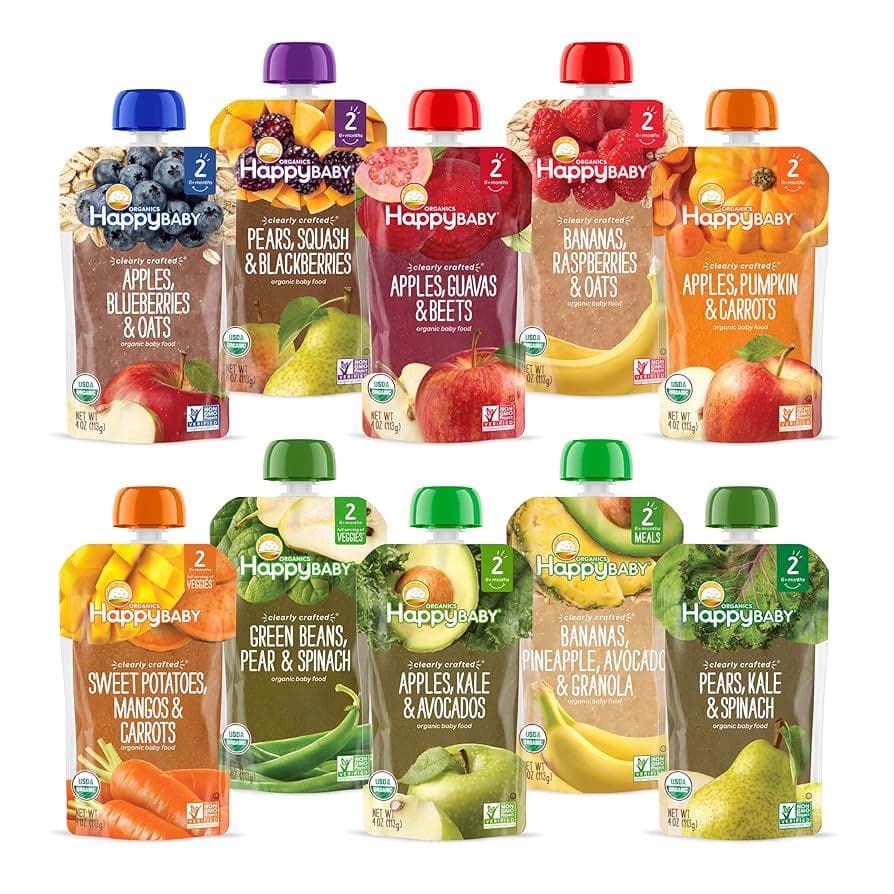
Happy Baby Pouches: Safe and Nutritious? | Parent's Guide
Discover everything you need to know about Happy Baby Pouches: A Parent's Guide to ensuring safe and nutritious choices amidst heavy metals concerns.
100% Independent.
Always.
We never monetize through brand deals, affiliate links, or ads — so you can trust our recommendations are always aligned with our users.
Frequently Asked Questions
What is the Olive app and how does it work?
Olive is a holistic health companion built to help you live cleaner and feel better. Scan a barcode and Olive shows you exactly what is in your food, your personal care products, and the things you bring into your home, then points you to a clean swap that actually makes a difference.
Inside the app you also get:
- Health coaching
- FDA recall alerts
- Prop 65-aligned baby food product lookups
- Proprietary lab testing data on your favorite products
- Video-assisted kitchen detox walkthroughs
- Maps of healthy restaurants and farmers’ markets near you
- Symptom tracking and logging
- Peptide and supplement dosage tracking
How does the Olive food and cosmetic ingredient scanner work?
You scan a product. Olive scores it from 0 to 100 (higher is cleaner), explains in plain language why it scored that way, flags the harmful stuff like seed oils, additives, hidden sugars, contaminants, and endocrine disruptors, and points you to a cleaner swap.
From there, Olive helps you actually change: a 28-day kitchen detox to start, habit building, coaching, and doctor-supervised peptide protocols.
What starts with one scan can end in more energy, a clear head, and a shopping cart you finally trust.
Which products can I scan: food, cosmetics, or bottled water?
All three. Scan food and drinks for the 0 to 100 score, with a breakdown of toxins, additives, processing, seed oils, and sugar.
Scan skincare, makeup, sunscreen, shampoo, and other personal care products and Olive rates every ingredient green, yellow, or red with a plain-language reason for the rating.
Scan bottled water and Olive checks it for contaminants such as fluoride, heavy metals, and microplastics.
How does Olive ensure the accuracy of its scan results?
We do our own independent lab testing for heavy metals (lead, cadmium, mercury, and arsenic) across roughly 400 products so far. That is more testing than most companies do, including Consumer Reports.
Our cosmetic ingredient rating system was built with the head of a chemical toxin working group, so every ingredient carries a documented reason behind its rating.
And Olive is independent. No ads, no affiliates, and we do not take money to change scores. Your subscription is what funds the testing, so Olive answers to you. All of it runs on a database of 10M+ products.
Can Olive be customized to my dietary needs?
Yes. Set your goals, your diet, and your allergies, and every score and swap adjusts to you. Keto, paleo, heart-healthy, Mediterranean, halal, kosher, gluten-free, and dairy-free are all covered.
If you react to gluten, dairy, nuts, soy, or anything else, Olive flags it before it reaches your cart.
Is Olive available for both Android and iOS?
Yes. Olive is live on both. Download Olive on the Apple App Store or get it on Google Play.
Is my data secure when I use Olive?
Yes. Your privacy comes first. Olive protects your personal information with strong security protocols, and your scans, your pantry, and your health details stay yours. You can read the details in our privacy policy.
How do I get started with Olive?
Start with the free quiz. It takes about five minutes, asks about your goals, your symptoms, and what is already in your kitchen, then hands you a personalized plan. Try Olive free.
Start with one scan.
Scan your food, personal care and home products
Independent scores backed by real lab testing
Cleaner swaps for you, and everyone you shop for