HB4 Wheat Is Coming: The GMO Crop That Could Contaminate Your Bread with a Banned Herbicide
Drought-tolerant and glufosinate-resistant, this new GM wheat repeats the failures of Roundup Ready crops — driving more toxic chemicals, superweeds, trade losses, and corporate control over a global staple food. Here's why you should choose organic and Non-GMO.
Sign up for Olive Written by David SteinmanPublished on July 13, 2026
HB4 Wheat Is Coming: The GMO Crop That Could Contaminate Your Bread with a Banned Herbicide
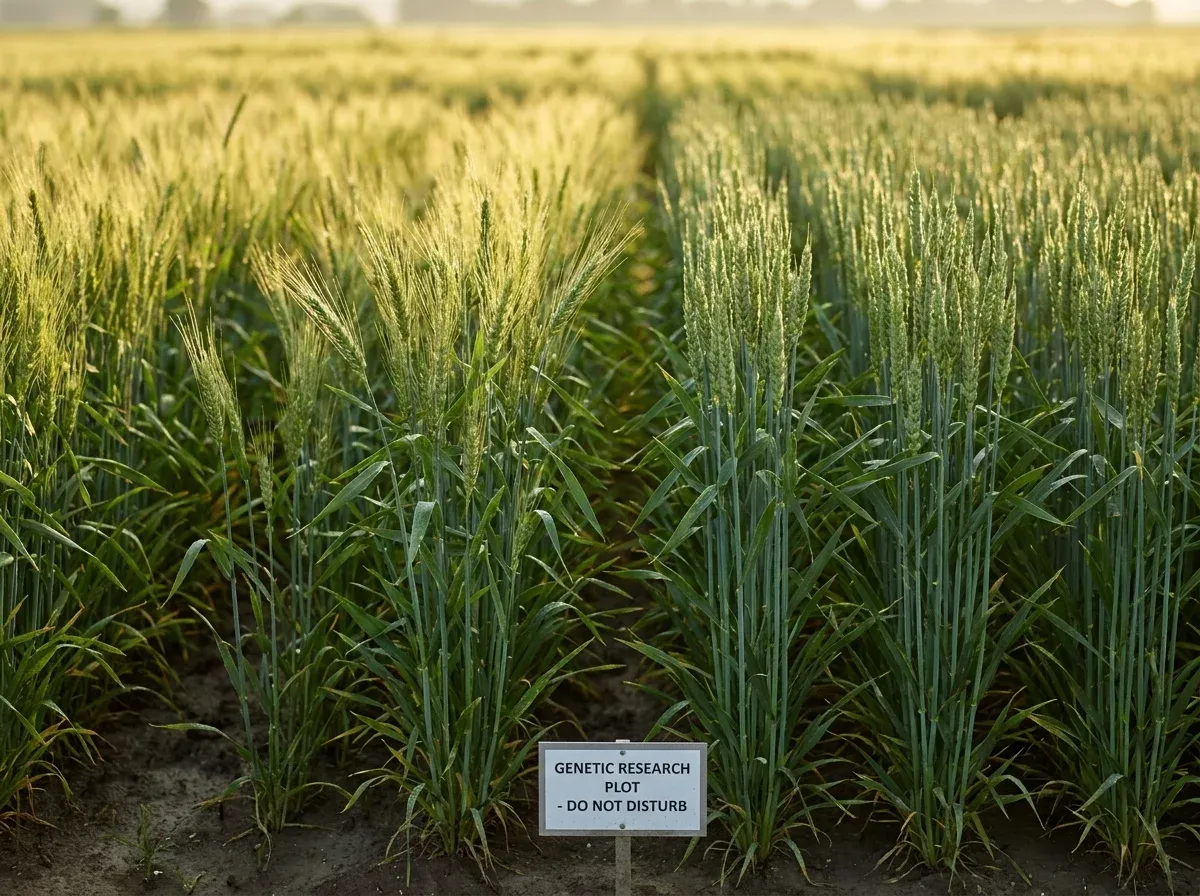
Have you heard of HB4 wheat yet? You will be hearing a lot more in the near future, and it could impact your health and American farmers. HB4 wheat is a genetically modified, drought- and herbicide-tolerant version of wheat first developed in Argentina around 2004 by Bioceres Crop Solutions. This GMO wheat incorporates a specific sunflower gene (HaHB4) that helps the plant delay deterioration under water stress and maintain biomass until normal moisture conditions return. In addition to drought tolerance, HB4 wheat contains the bar gene, which confers resistance to the herbicide glufosinate. Glufosinate, a highly hazardous herbicide, is banned in the European Union due to unacceptable risks to reproduction.
HB4 wheat is approved for cultivation in Argentina, Brazil, and Paraguay, and for food/feed consumption in multiple other countries, notes the North Dakota Wheat Commission. The US Department of Agriculture (USDA) deregulated the HB4 trait for wheat cultivation in 2024, but widespread commercial planting is still in the testing and breeding stages, according to U.S. Wheat Associates. (HB4 soy has been cultivated in the US since 2019, says CGTN America.)
Friends of the Earth calls the introduction of HB4 wheat a “repetition of a well-documented failure — the chemical-dependent model introduced with Monsanto’s ‘Roundup Ready’ crops in the 1990s. GMO crops have driven massive increases in herbicide use, spawned herbicide-resistant superweeds, and trapped farmers on a costly pesticide treadmill. Glufosinate-tolerant corn and soy are already following the same path. HB4 wheat would extend this failed, toxic system to a global staple food — deepening chemical dependence, increasing costs for farmers, and compounding environmental damage.”
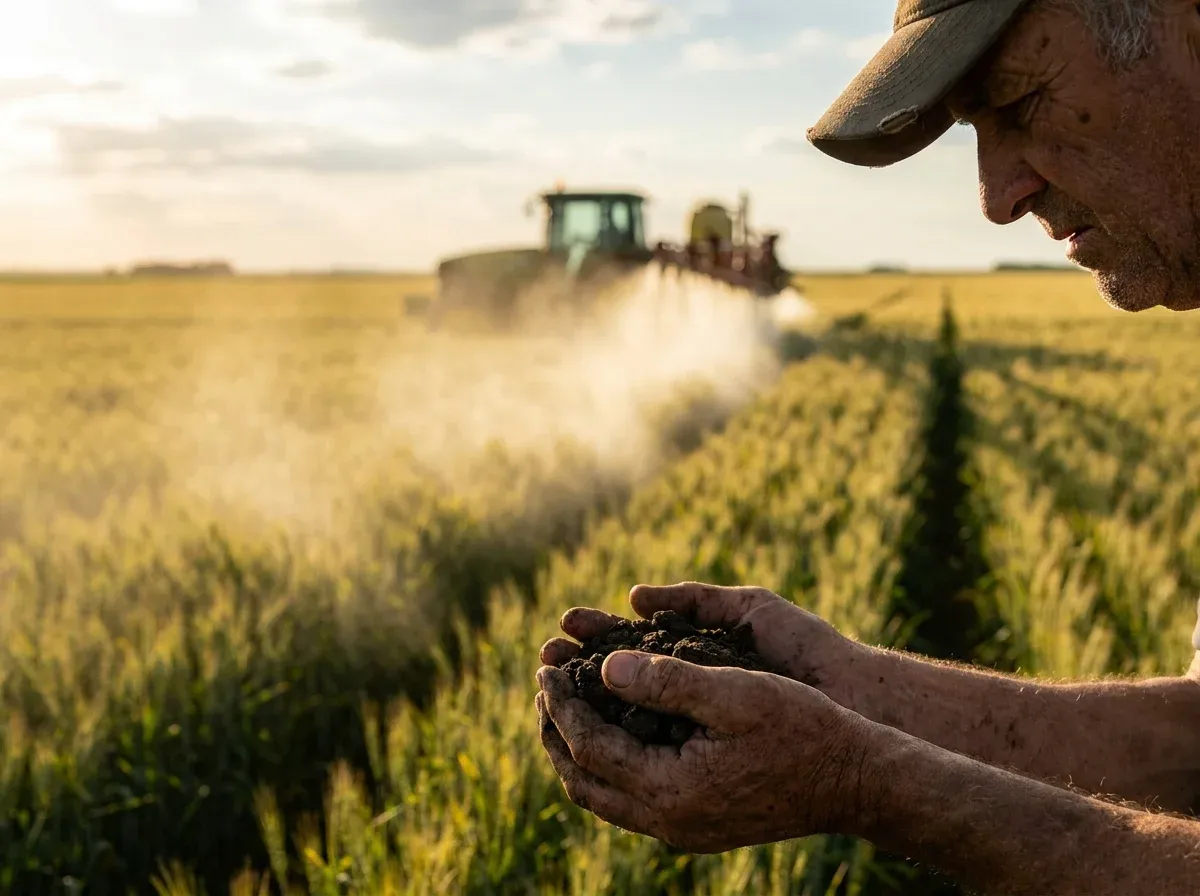
Glufosinate-ammonium (GA) shows potential reproductive toxicity in biological studies, including effects on sperm mitochondria and male fertility, as well as epigenetic (environmental) changes in gene function. In the European Union, Glufosinate-ammonium is classified for presumed human reproductive toxicity, according to BASF, one of the world’s major manufacturers of the herbicide. In addition, unlike glyphosate (Roundup), glufosinate can be sprayed directly on the wheat, making it potentially much more toxic.
American exports could also take a hit. “GMO wheat poses major trade and economic risks for farmers,” says the Friends of the Earth report. “Wheat is the third most widely grown crop in the United States, with roughly 44% exported each year, representing billions of dollars in farm income. GMO wheat has failed commercialization in the US multiple times due to serious trade concerns. Major trading partners — including Mexico, Japan, and the Philippines — do not accept GMO wheat. Even limited commercialization of HB4 could trigger trade disruptions or contamination of non-GMO wheat supplies, echoing past incidents that cost U.S. farmers millions of dollars. Even farmers who don’t plant HB4 could suffer, as genetic contamination and supply-chain mixing could jeopardize all US wheat exports. Meanwhile, GMO seeds undermine farmers’ economic sovereignty by locking them into restrictive contracts with powerful seed and chemical corporations.”
The report documents evidence that glufosinate harms soil organisms, pollinators, and aquatic life, threatening biodiversity and long-term farm resilience. The chemical is also highly mobile, increasing the risk of soil and water pollution.
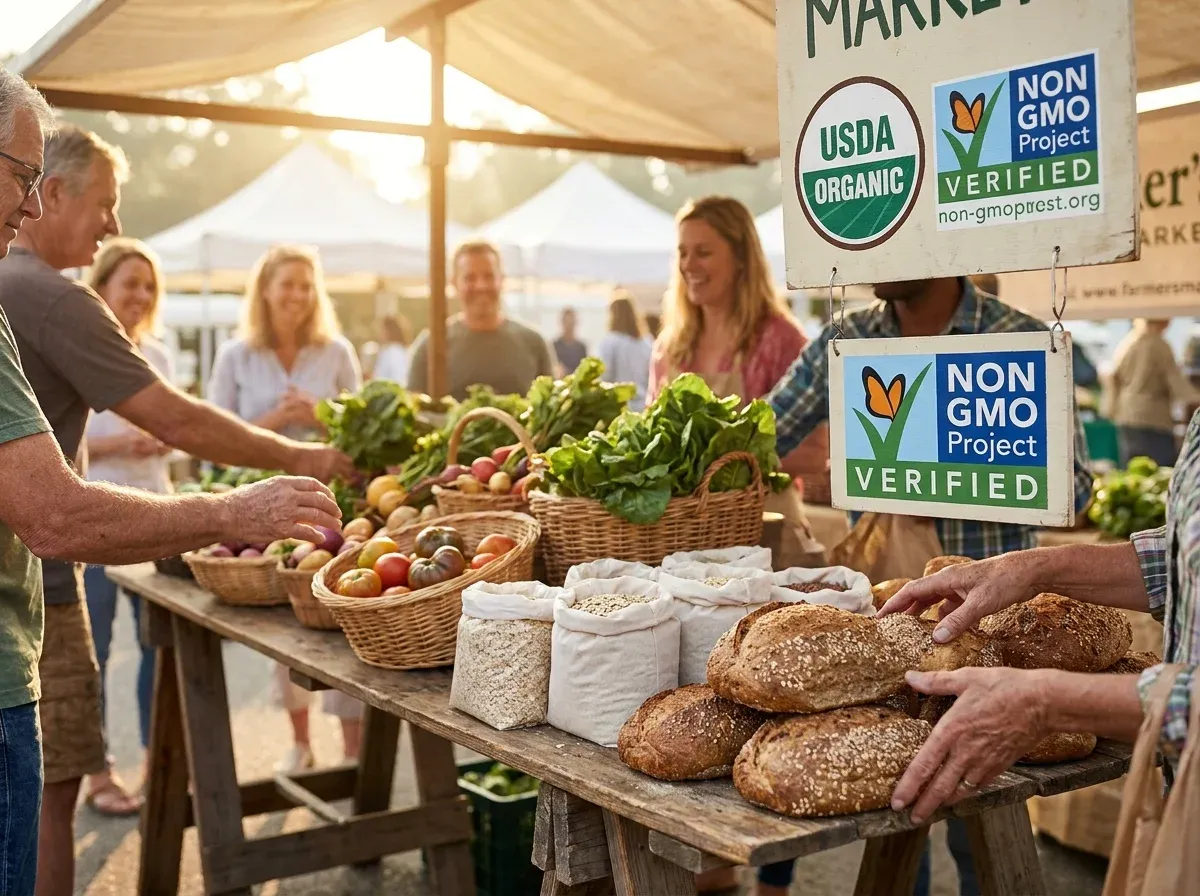
The report concludes that introducing GMO wheat would accelerate chemical-intensive industrial agriculture, deepen corporate control over seeds, and expose farmers and consumers to unnecessary risks. Instead, it calls for comprehensive reform of U.S. GMO regulations grounded in the precautionary principle and investment in agroecology, including the expansion of organic agriculture. GMOs, along with more than 900 synthetic pesticides, including glufosinate, are prohibited in organic farming.
Citizens have the agency to fight HB4 wheat from being introduced into the US food supply. Purchasing organic grain products ensures that brands are utilizing traditional, identity-preserved wheat sourcing. Also, seek GMO-certified foods by the Non-GMO Project. These may not be organic, but will be GMO-free.
Scan Any Grocery Barcode
Scores Brands Can't Buy
Backed by Lab Testing
Cleaner Swaps in the Aisle
Recommended for you

 Alexander Klein
Pore-Clogging Ingredients Checker: Strongest Options & Key Considerations
Learn how pore-clogging ingredient checkers function and how the leading platforms compare across scanning and search capability, methodology, and reliability.
 Alexander Klein
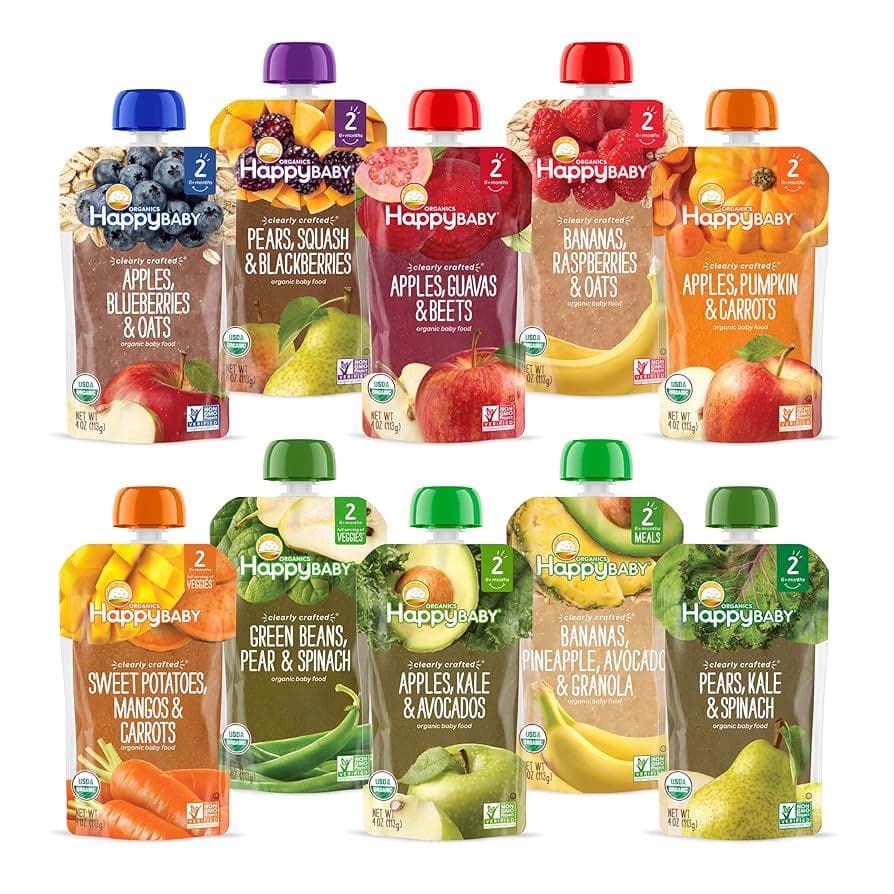
Happy Baby Pouches: Safe and Nutritious? | Parent's Guide
Discover everything you need to know about Happy Baby Pouches: A Parent's Guide to ensuring safe and nutritious choices amidst heavy metals concerns.
100% Independent.
Always.
We never monetize through brand deals, affiliate links, or ads — so you can trust our recommendations are always aligned with our users.
Frequently Asked Questions
What is the Olive app and how does it work?
Olive is a holistic health companion built to help you live cleaner and feel better. Scan a barcode and Olive shows you exactly what is in your food, your personal care products, and the things you bring into your home, then points you to a clean swap that actually makes a difference.
Inside the app you also get:
- Health coaching
- FDA recall alerts
- Prop 65-aligned baby food product lookups
- Proprietary lab testing data on your favorite products
- Video-assisted kitchen detox walkthroughs
- Maps of healthy restaurants and farmers’ markets near you
- Symptom tracking and logging
- Peptide and supplement dosage tracking
How does the Olive food and cosmetic ingredient scanner work?
You scan a product. Olive scores it from 0 to 100 (higher is cleaner), explains in plain language why it scored that way, flags the harmful stuff like seed oils, additives, hidden sugars, contaminants, and endocrine disruptors, and points you to a cleaner swap.
From there, Olive helps you actually change: a 28-day kitchen detox to start, habit building, coaching, and doctor-supervised peptide protocols.
What starts with one scan can end in more energy, a clear head, and a shopping cart you finally trust.
Which products can I scan: food, cosmetics, or bottled water?
All three. Scan food and drinks for the 0 to 100 score, with a breakdown of toxins, additives, processing, seed oils, and sugar.
Scan skincare, makeup, sunscreen, shampoo, and other personal care products and Olive rates every ingredient green, yellow, or red with a plain-language reason for the rating.
Scan bottled water and Olive checks it for contaminants such as fluoride, heavy metals, and microplastics.
How does Olive ensure the accuracy of its scan results?
We do our own independent lab testing for heavy metals (lead, cadmium, mercury, and arsenic) across roughly 400 products so far. That is more testing than most companies do, including Consumer Reports.
Our cosmetic ingredient rating system was built with the head of a chemical toxin working group, so every ingredient carries a documented reason behind its rating.
And Olive is independent. No ads, no affiliates, and we do not take money to change scores. Your subscription is what funds the testing, so Olive answers to you. All of it runs on a database of 10M+ products.
Can Olive be customized to my dietary needs?
Yes. Set your goals, your diet, and your allergies, and every score and swap adjusts to you. Keto, paleo, heart-healthy, Mediterranean, halal, kosher, gluten-free, and dairy-free are all covered.
If you react to gluten, dairy, nuts, soy, or anything else, Olive flags it before it reaches your cart.
Is Olive available for both Android and iOS?
Yes. Olive is live on both. Download Olive on the Apple App Store or get it on Google Play.
Is my data secure when I use Olive?
Yes. Your privacy comes first. Olive protects your personal information with strong security protocols, and your scans, your pantry, and your health details stay yours. You can read the details in our privacy policy.
How do I get started with Olive?
Start with the free quiz. It takes about five minutes, asks about your goals, your symptoms, and what is already in your kitchen, then hands you a personalized plan. Try Olive free.
Start with one scan.
Scan your food, personal care and home products
Independent scores backed by real lab testing
Cleaner swaps for you, and everyone you shop for